
Anti-Diet Calorie Tracking Apps for Eating Disorder Recovery
Snacko is the food tracking app that makes healthy eating effortless. Join thousands building better eating habits every day.

"I need to track my calories to recover, but every app I try feels like it's designed to help me restrict even more." - a message I got from a reader last month that honestly broke my heart a little.
I've been down this rabbit hole myself - searching for apps that actually support eating disorder recovery instead of accidentally sabotaging it. Turns out, there are some decent options that flip the whole calorie-counting script on its head.
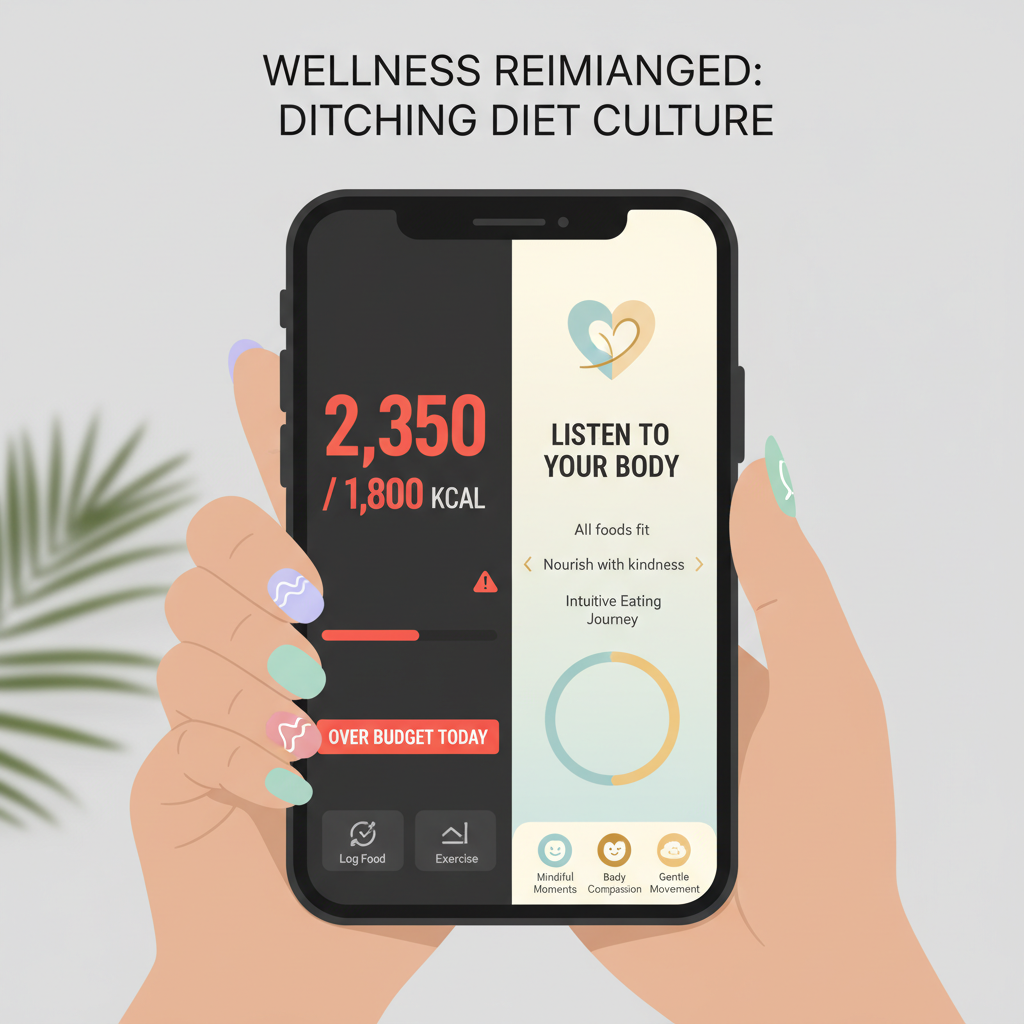
These Apps Actually Get It (And Won't Judge Your Messy Relationship with Food)
I've tried probably fifteen different apps, and most make you feel like garbage when you log half a sleeve of crackers at 11 PM. Recovery Record gets this - it lets you track emotions alongside food without the shame spiral. See How You Eat focuses on photo logging instead of obsessing over numbers, which honestly saved me during my worst restriction phases.
What I love about YouAte is the simple thumbs up/down system. No calories, no guilt - just "was this nourishing or not?" It's weirdly revolutionary when you're used to apps that basically scream at you for eating bread.
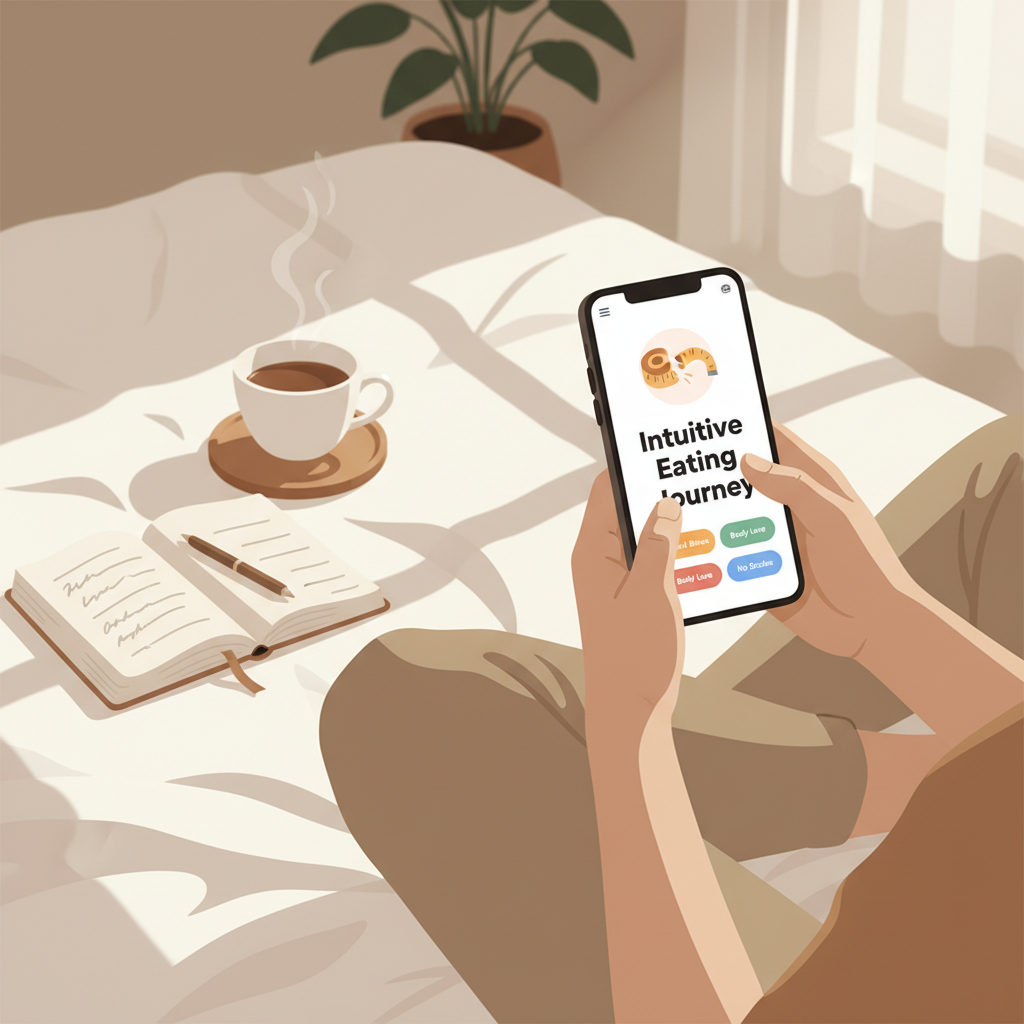
Your Phone Can Be Your Recovery Buddy Instead of Your Food Police
I used to have MyFitnessPal screaming at me in red text whenever I went over some arbitrary calorie limit. That shame spiral was brutal. Now I use Recovery Record, which asks "How are you feeling?" instead of "Did you burn off that cookie yet?"
The difference is night and day. Instead of my phone being this judgmental calculator in my pocket, it's become this gentle check-in buddy. When I log a meal, it prompts me to notice if I'm actually hungry or just stressed. That shift from punishment to curiosity changed everything for my relationship with both food and technology.
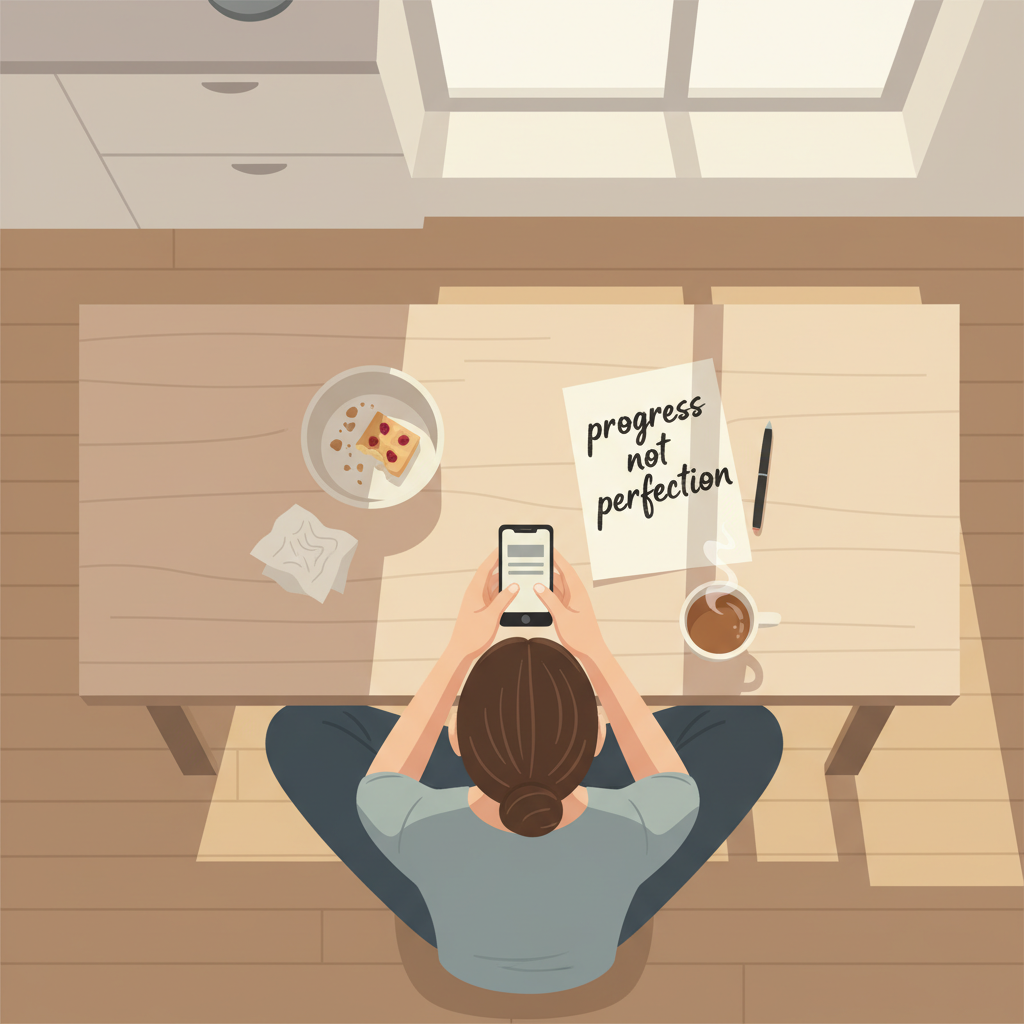
What I Wish Someone Had Told Me Before Downloading Another Tracking App
I've downloaded probably fifteen different tracking apps over the years, thinking the next one would finally "fix" my relationship with food. Here's what I learned the hard way: your relationship with the app matters more than which app you choose.
Before you download anything, ask yourself if you're ready to track without obsessing. Can you log a meal and not immediately calculate how many calories you have "left"? If seeing red numbers or warning messages sends you spiraling, you're not ready yet—and that's okay.
I wish someone had told me to start with pen and paper first. Track just portions or hunger levels for a week. See how your brain reacts before adding the complexity of an app with databases, charts, and social features.
Glossary:
- Anti-diet apps: Tracking tools focused on patterns and awareness rather than restriction
- Recovery-friendly features: App elements that support healing (like removing calorie deficits, hiding "warnings")
- Mindful tracking: Logging food for awareness without judgment or restriction goals
Your Questions, Answered
Is Recovery Record better than Rise Up for eating disorder recovery?
From what I've seen, Recovery Record feels more clinical and therapist-focused (which some people love for accountability), while Rise Up has a gentler, more peer-support vibe that doesn't trigger my perfectionist tendencies as much. I'd go with Rise Up if you're easily overwhelmed by data tracking, but Recovery Record if you want something your treatment team can actually use with you.
Should I use a regular calorie app like MyFitnessPal or stick to eating disorder recovery apps?
Honestly, MyFitnessPal and similar apps were disasters for my recovery - all those red numbers and "you're over your goal" messages just fed right back into restriction mode. Recovery-specific apps like Nourishly focus on meal completion and eating regularly rather than calories burned or deficits, which actually helps you rebuild a normal relationship with food instead of making it worse.
Recovery Guru vs See How You Eat - which one actually helps without being triggering?
See How You Eat is way less overwhelming because you just take photos of your food without any numbers or analysis, which helped me notice patterns without obsessing over details. Recovery Guru has more features but honestly felt too much like the food diary my ED therapist made me keep - sometimes simple photo tracking is all your brain can handle when you're in early recovery.
My Honest Take on These Apps
Here's what I'd do: start with one app that feels least triggering, use it for just meals (not snacks), and have someone you trust check in weekly. Recovery isn't linear, and neither is finding the right tools that actually help instead of harm.


