
Calorie Counter for Runners Who Practice Body Acceptance
Snacko is the food tracking app that makes healthy eating effortless. Join thousands building better eating habits every day.

I used to think tracking calories meant I'd fallen back into diet culture hell—like I was betraying everything I'd learned about intuitive eating and body acceptance. But here's what I've discovered after years of running: there's actually a middle ground where you can count calories for performance reasons while still honoring your body's wisdom. It's messier than the extremes, but it works.
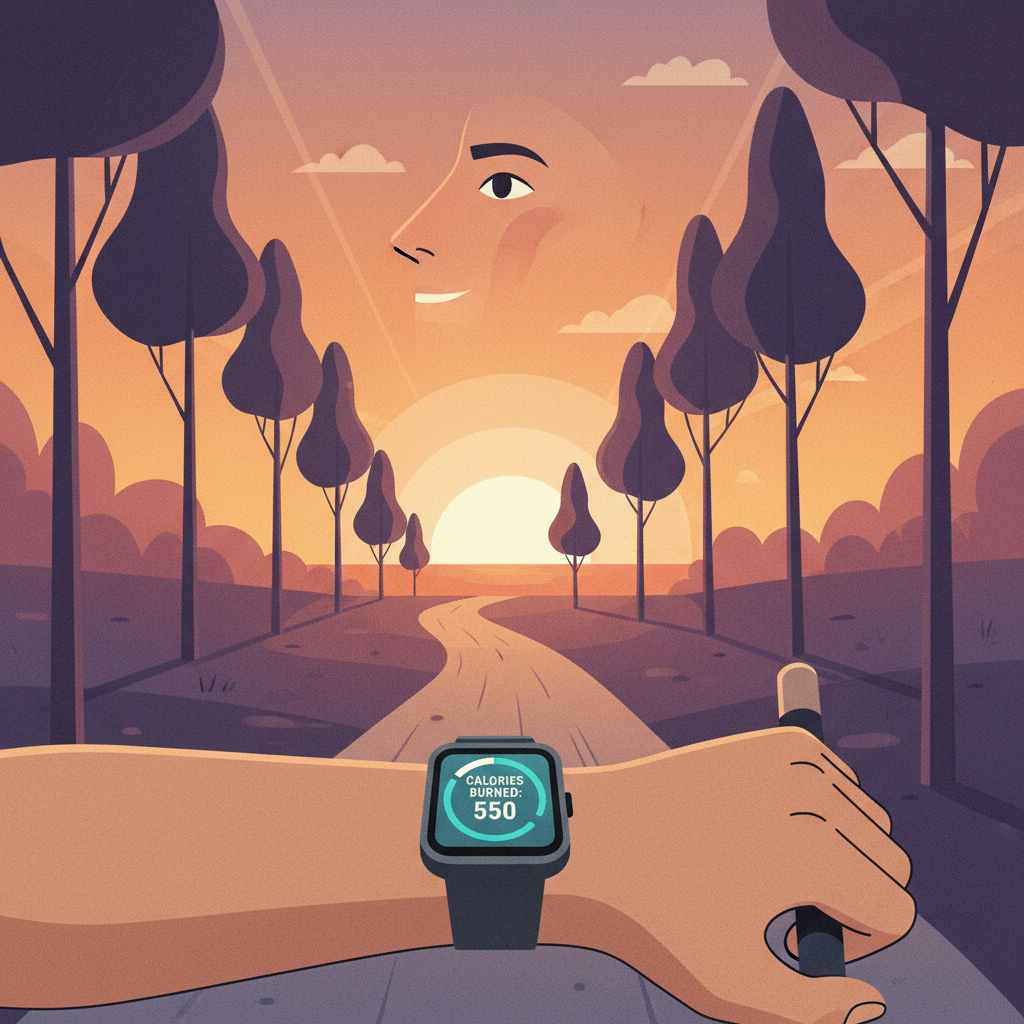
When Numbers Start Taking Over Your Long Runs
I've been there – checking my watch every half mile, doing mental math on pace versus calorie burn, completely missing the sunrise because I'm obsessing over data. When counting calories starts hijacking your runs, it's time for a reality check.
PROS:
- Can help fuel properly for longer distances
- Creates awareness of energy needs during training cycles
- Useful for post-run recovery planning
CONS:
- Turns meditative runs into spreadsheet sessions
- Makes you second-guess hunger cues mid-run
- Creates anxiety when numbers don't match expectations
- Ruins the mental break that running should provide
My rule now: if I'm thinking more about calories than how my legs feel, I leave the tracker at home.

Fueling Smart Without the Mental Math Spiral
The biggest misconception? That calorie tracking means obsessing over every single number. I've watched runners burn themselves out calculating whether they "earned" that post-run banana.
Here's what actually works: Track patterns, not perfection. I log my food loosely—focusing on whether I'm getting enough carbs before long runs and protein after. Some days I forget to log lunch entirely. The world doesn't end.
The game-changer was switching from "Did I hit exactly 2,247 calories?" to "Am I fueling my runs without restricting myself into the ground?" I use my app more like a general fuel gauge than a precise calculator.
When I'm training hard, I eat more. When I'm tapering, I eat less. The numbers help me notice patterns—like how I always undereat on rest days and feel terrible the next morning—but they're not rules carved in stone.
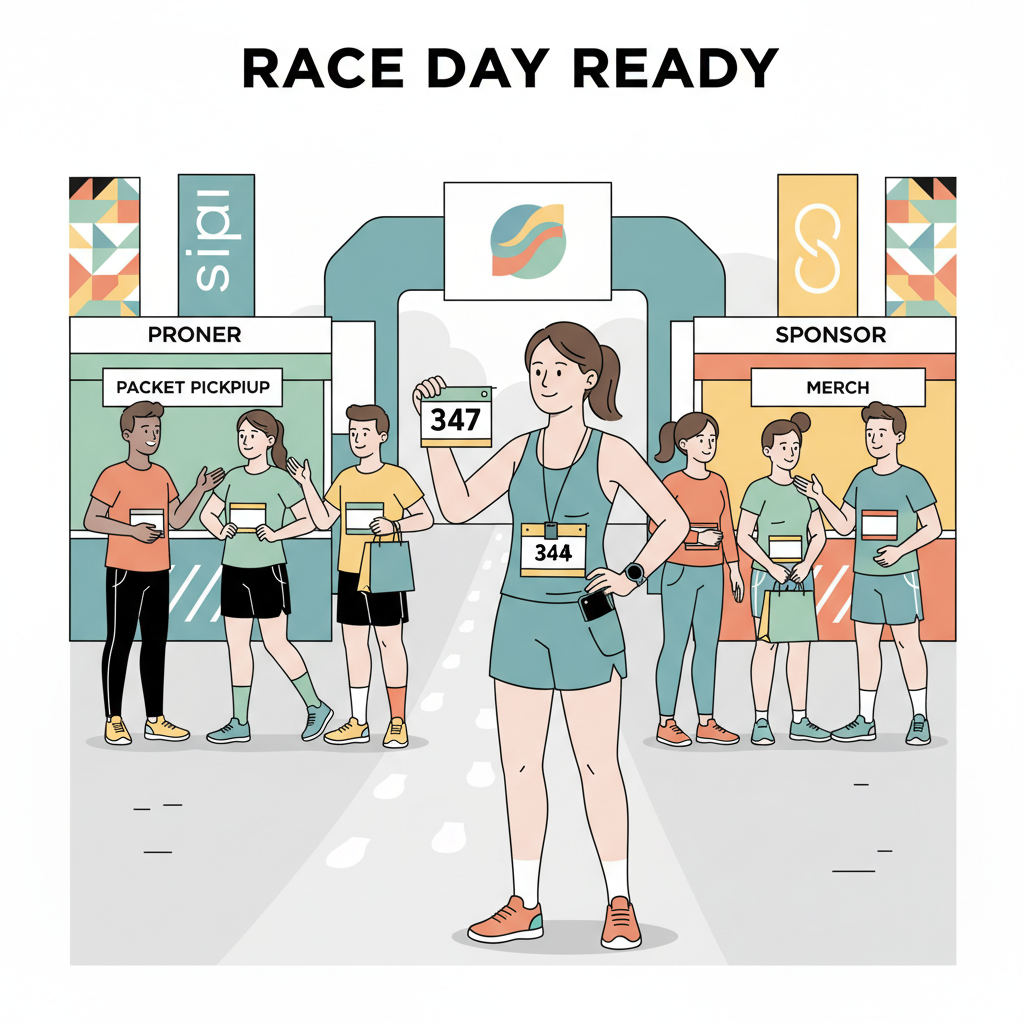
Race Day Energy: Trusting Your Body Over Your App
Race day is when all that practice trusting your body pays off. I've watched runners frantically check their apps mid-race, stressed about hitting exact calorie targets while their energy crashes. That's backwards thinking.
Your body becomes incredibly intuitive about fuel needs during races. That sudden craving for something salty at mile 18? Listen to it. The way your stomach feels tight when you force down that third gel because your app says you should? Trust that too.
I learned this the hard way during a marathon when I ignored my body's "no more sweet stuff" signals and kept following my calorie schedule. Predictably, I felt awful for the last 10K. Now I bring variety - sweet, salty, liquid, solid - and let my body choose. The app data helps with post-race analysis, but race day belongs to your gut instincts.
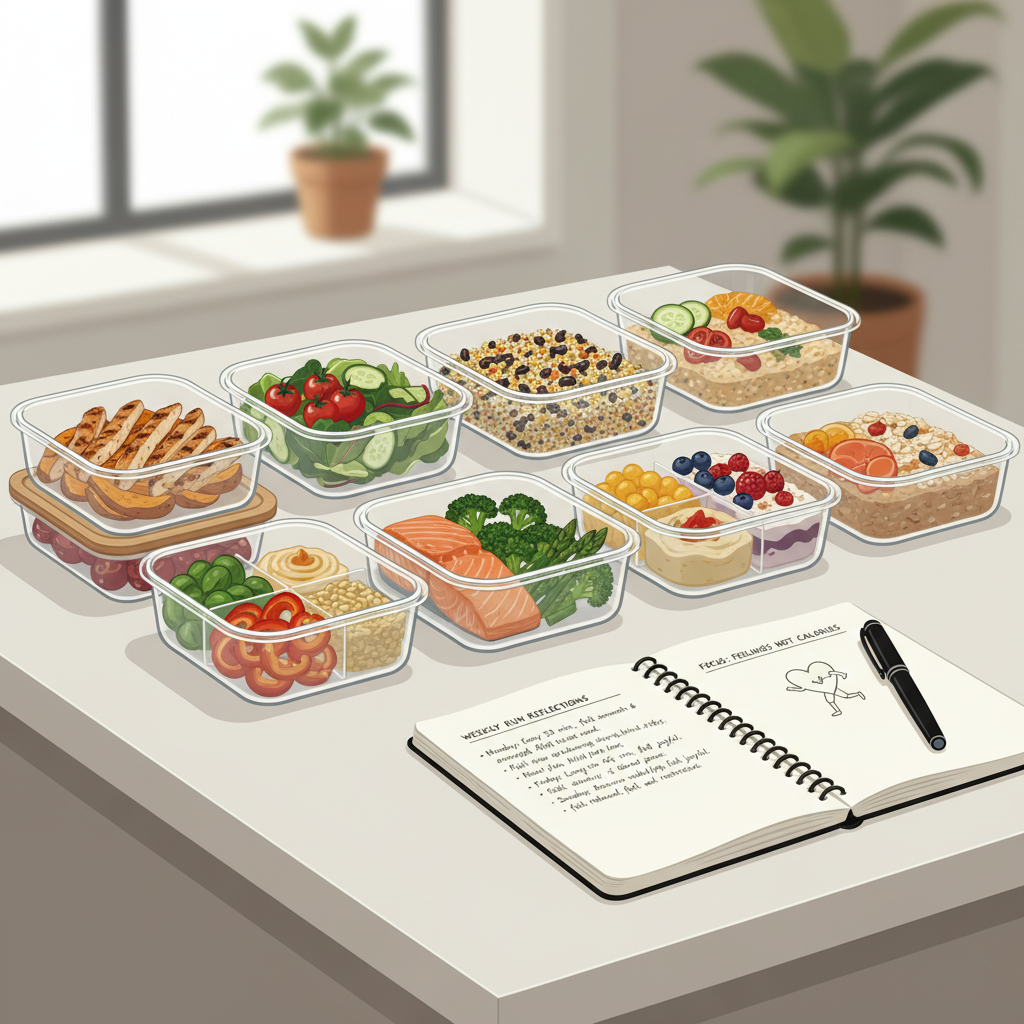
Building Sustainable Habits That Don't Revolve Around Deficits
I've watched too many runners burn out chasing arbitrary calorie targets that ignore their actual needs. The habits that stick aren't about eating less—they're about eating consistently and intentionally.
What works for me: tracking patterns instead of deficits. I notice when I'm genuinely hungry versus bored, when my energy tanks during long runs, what foods make me feel strong versus sluggish. I track my fueling timing around workouts because it affects my performance, not because some app told me I "earned" those calories.
Build habits around nourishment, not restriction. That's what lasts.

Recovering From the All-or-Nothing Tracking Mindset
I used to think tracking was either obsessive micromanagement or complete abandonment. You're either weighing every almond or eating pizza with zero awareness. Took me years to find the middle ground.
On one extreme, you've got people logging their pre-run banana down to the gram, panicking if their app crashes mid-week. On the other, runners who've sworn off any form of awareness because tracking "triggered" them before.
What I've learned works: loose tracking with built-in flexibility. I track most days but skip when I'm traveling or stressed. I log my post-long-run recovery meal without measuring the extra helping of pasta. Some weeks I'm more precise, others I just note general patterns.
The goal isn't perfect data—it's staying connected to your body while building sustainable habits around fueling your running.
Your Questions, Answered
How do I track calories as a new runner without falling back into diet culture habits?
From what I've seen with beginner runners, the key is switching your mindset from "calories burned = food earned" to tracking for performance insights. I'd recommend focusing on whether you have enough energy for your runs and recovery rather than creating deficits - your body needs fuel to adapt to running, especially when you're just starting out.
Should I stop using my calorie counter if I'm trying to build a healthier relationship with food as a runner?
I think it depends on where you're at mentally - if counting still triggers restrictive behaviors or guilt around food choices, then yeah, ditch it for a while. But if you can use it as a neutral tool to ensure you're eating enough to support your training (which most runners actually under-eat), then it can actually help with body acceptance by showing you how much fuel your amazing body actually needs.
My Honest Take on This Whole Thing
Here's what I'd do: start with one week of gentle tracking just to see patterns, not judge them. If it feels restrictive, ditch the app immediately. Your relationship with running should feel free, not calculated.
Trust your body—it's smarter than any algorithm.


