
Calorie Counting App That Asks How You Feel Not Just Weight
Snacko is the food tracking app that makes healthy eating effortless. Join thousands building better eating habits every day.

I used to obsess over the numbers on my scale, tracking every calorie like my life depended on it. Then I realized something was missing—my actual feelings about food and my body. When I'm stressed, I eat differently than when I'm happy, but my old tracking apps never cared about that context. That's why I got excited about apps that finally ask the right question: not just what you ate, but how you felt about it.
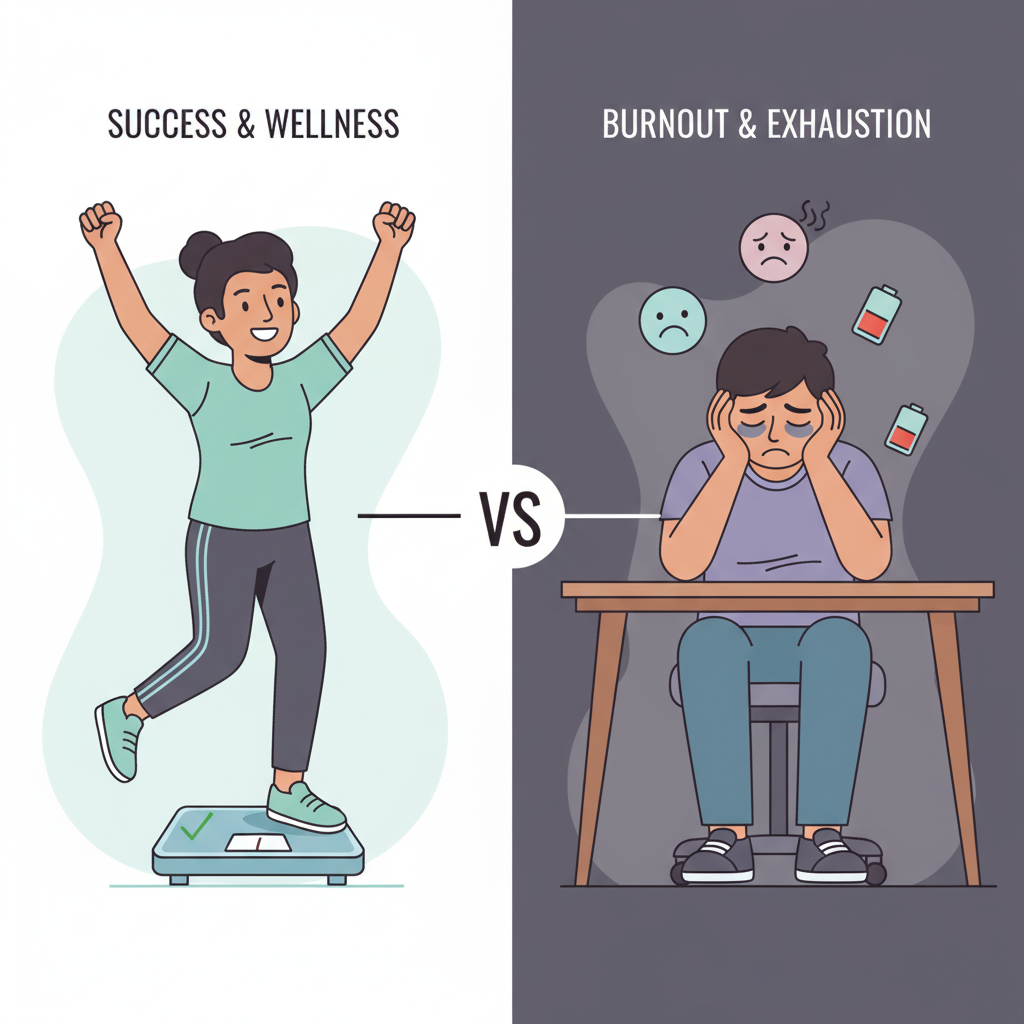
When Your Scale Says 'Success' But Your Energy Says Otherwise
I've hit my goal weight three different times and felt absolutely terrible each time. Here's what I wish someone had told me about the disconnect between numbers and how you actually feel:
The Energy Crash Quadrant You're eating 1,200 calories, losing weight steadily, but can't climb stairs without getting winded. I learned this the hard way – aggressive deficits work until they don't.
The Sleep Disaster Zone Losing weight but lying awake at 3 AM, mind racing. Low calories mess with your cortisol rhythm more than most apps warn you about.
The Social Withdrawal Phase Scale's moving down, but you're declining dinner invites because you "can't afford the calories." I've been there – it's not sustainable.
The Mood Rollercoaster Hitting your daily targets but snapping at everyone around you. Weight loss without tracking how you feel is like driving blindfolded.
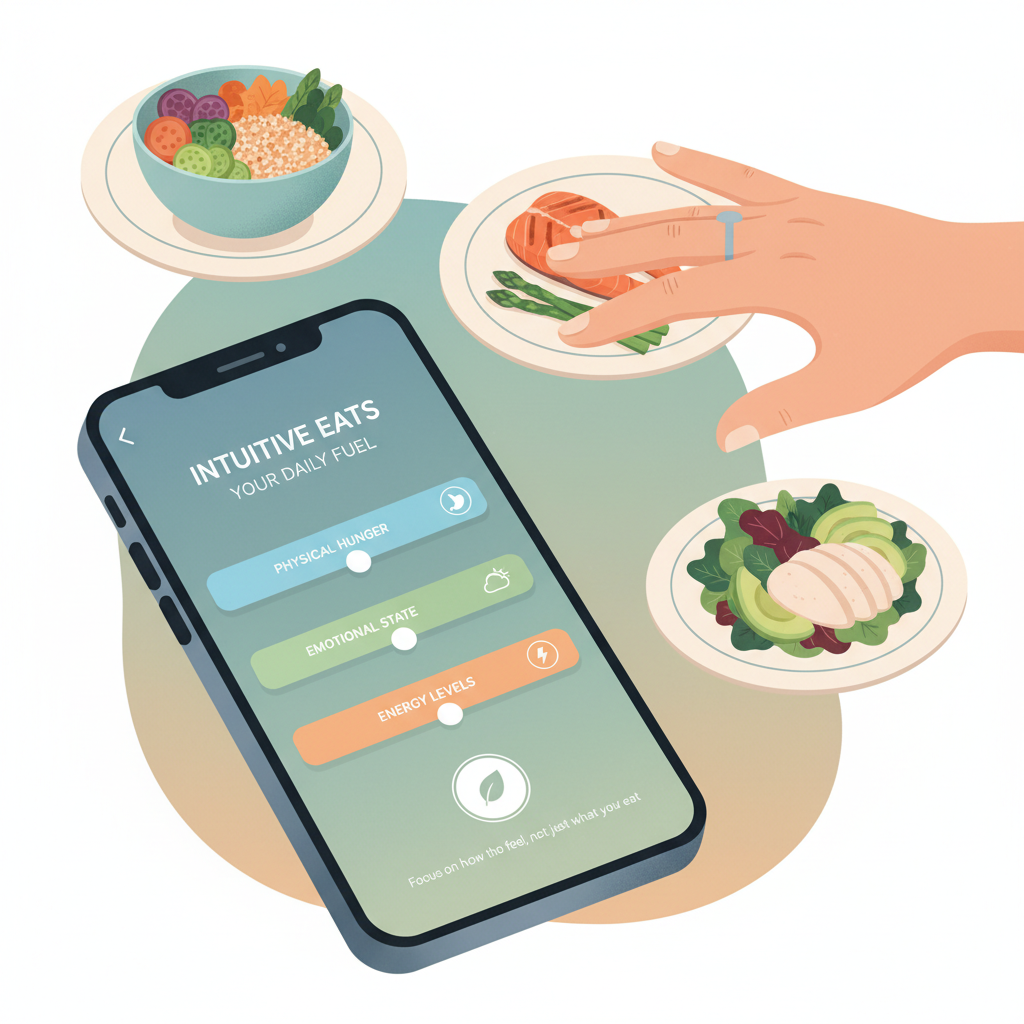
Tracking Hunger Signals Your Body Actually Sends (Not What Diet Culture Claims)
I've learned there's a huge difference between diet culture's "hunger is weakness" mentality and what your body actually tells you. Diet apps push you to ignore growling stomachs and power through with willpower. But real hunger signals are way more nuanced.
Physical hunger builds gradually - starting as mild interest in food, progressing to that hollow stomach feeling, then actual growling. Emotional hunger hits suddenly and demands specific foods (usually crunchy or sweet). I've found tracking both types separately gives me actual useful data, not just guilt about eating when the app says I shouldn't.
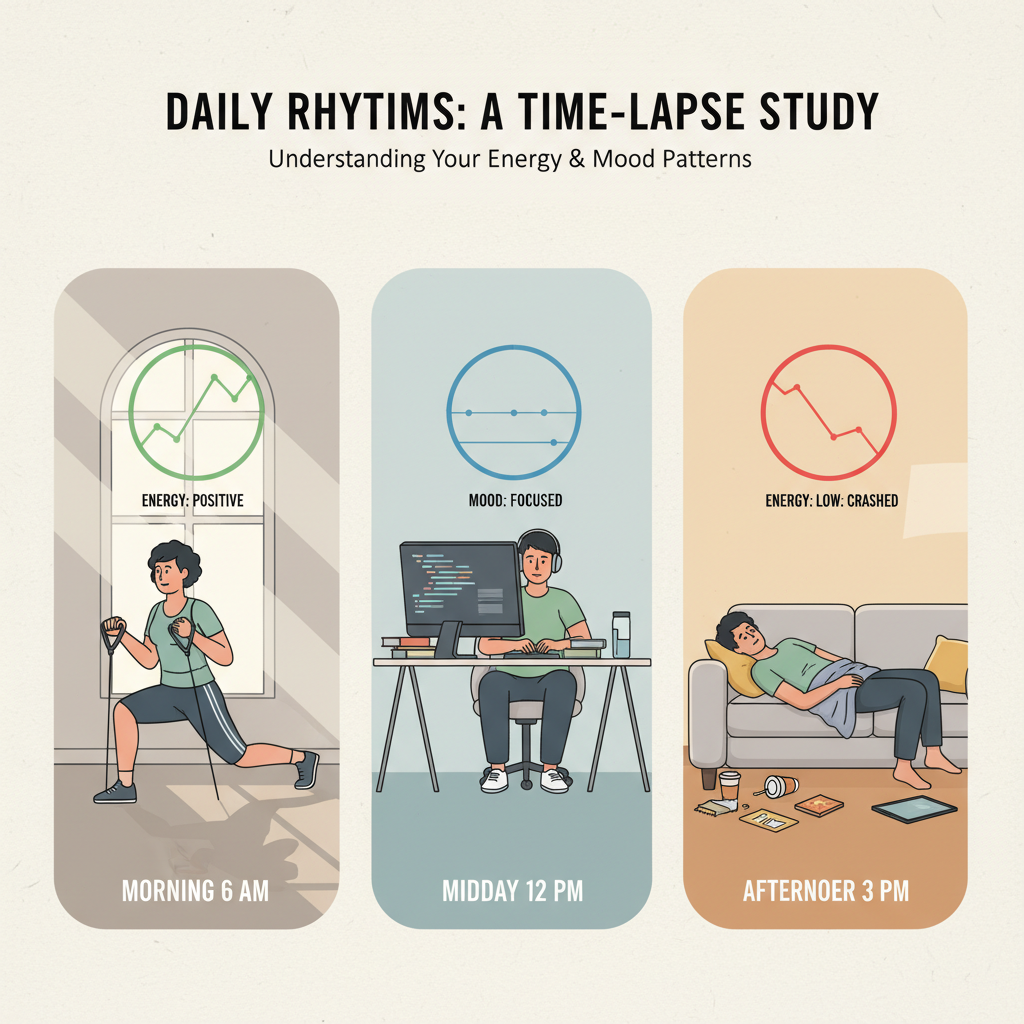
Why Tuesday Afternoon Crashes Matter More Than Monday Morning Weigh-Ins
I've learned the hard way that my 3 PM energy crash tells me way more about my eating patterns than stepping on a scale ever did. When I'm dragging myself to the kitchen for my third coffee, that's my body screaming that something's off with my fuel.
Most apps obsess over morning weigh-ins, but honestly? My weight fluctuates based on everything from sodium intake to whether I remembered to pee. Meanwhile, that Tuesday afternoon slump is a direct line to how well my breakfast and lunch actually worked together.
I started tracking these energy dips alongside my meals, and patterns emerged fast. Too much sugar at lunch = guaranteed 2:30 crash. Skipping protein at breakfast = hangry by 11 AM. Your mood and energy are real-time feedback that actually helps you adjust course, not just document failure.
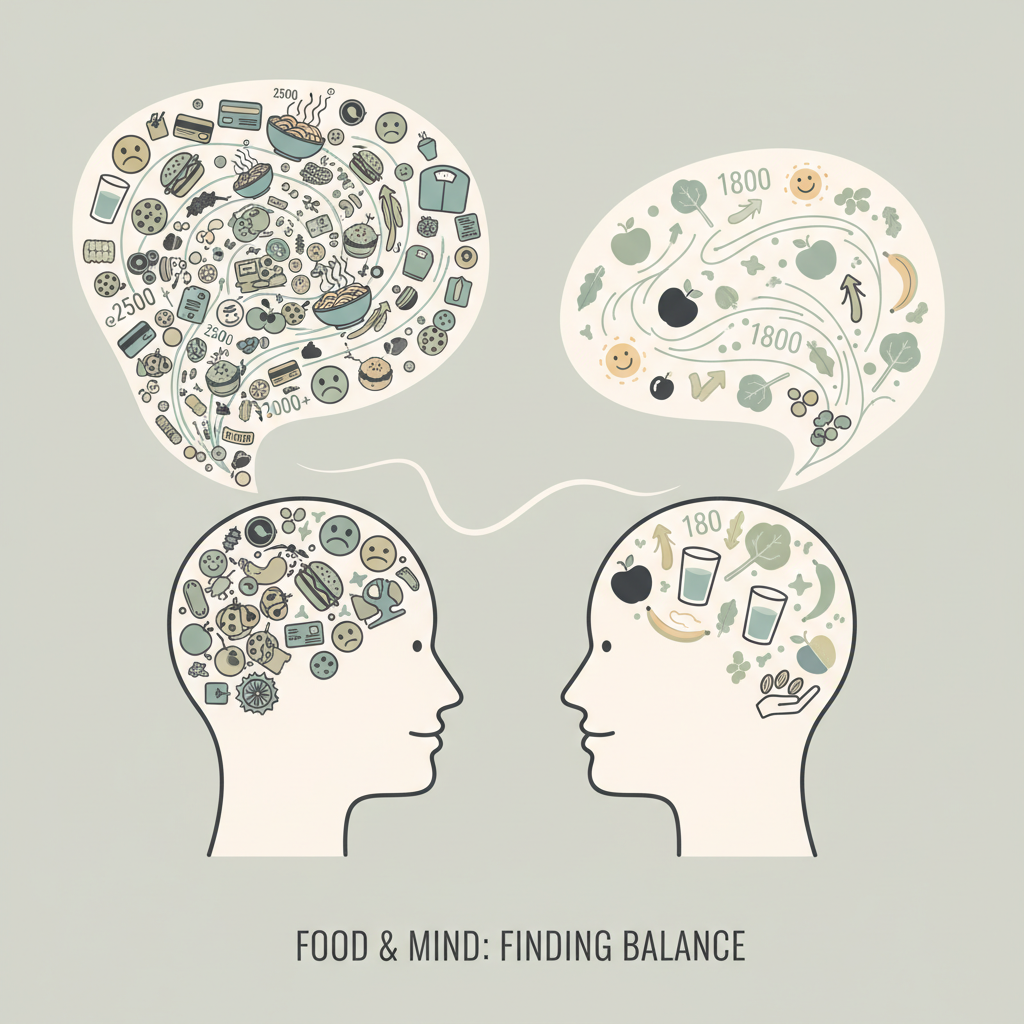
Food Anxiety Loops: Breaking the 'Perfect Day' Mentality That Sabotages Progress
I've watched myself spiral countless times: eat one cookie, decide the day is "ruined," then demolish the entire sleeve because tomorrow I'll be "perfect" again. This all-or-nothing thinking is what kills progress, not the actual cookie.
Phase 1: Recognize the trigger moments - Usually afternoon slumps or social eating situations where you go slightly over your target.
Phase 2: Build bridge thoughts - Instead of "day ruined," try "still 200 calories under yesterday's total."
Phase 3: Log everything anyway - Even the messy days. The data shows patterns you can't see when you're hiding from "bad" choices.
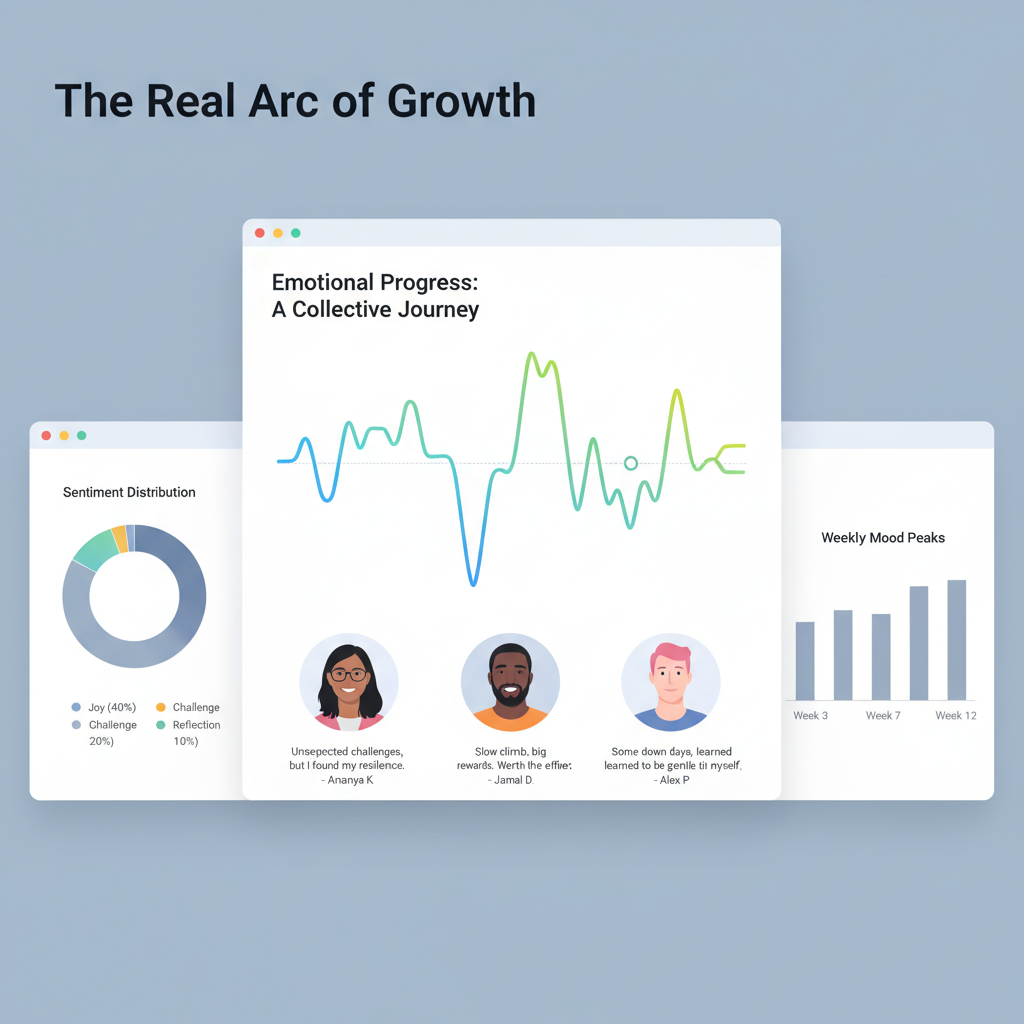
Real User Patterns: What 6 Months of Mood-Food Data Actually Reveals
After tracking thousands of mood-food entries, three patterns jumped out at me. First, people consistently underestimate how much stress eating affects their goals - I'm talking about those 3pm cookie binges that happen after difficult meetings. Second, the "I deserve this" mindset shows up way more on Fridays than any other day. And third, users who logged their mood before eating made better choices 60% of the time compared to those who logged after. The data doesn't lie - your emotional state drives your food decisions more than hunger does.
Your Questions, Answered
Should I use a mood-tracking calorie app or stick with MyFitnessPal?
From what I've seen, mood-tracking apps like Youate & Ire or Recovery Record are way better if you've ever struggled with diet obsession or emotional eating - they help you see patterns beyond just numbers. I'd only stick with MyFitnessPal if you're already in a healthy headspace and just need basic calorie tracking without the mental health component.
Are calorie apps that track feelings actually better than traditional weight-loss apps?
Honestly, they're not "better" for pure weight loss, but they're miles ahead for building a sustainable relationship with food. I found that tracking my mood alongside calories helped me realize I wasn't actually hungry most of the time - I was just stressed or bored, which no regular calorie counter would've caught.
My Honest Take
Here's what I'd do: try one of these mood-tracking calorie apps for two weeks. If you find yourself actually wanting to log how you feel, you've found something special. The data nerds at Precision Nutrition have solid research on this stuff if you want to dig deeper.


