
Calorie Tracking for Gut Health Healing Without Restriction
Snacko is the food tracking app that makes healthy eating effortless. Join thousands building better eating habits every day.

Here's what I wish someone had told me years ago: you can absolutely track calories while healing your gut without falling into restriction hell. I've watched too many people abandon calorie tracking entirely because they think it's incompatible with gut healing, when the real issue is how they're tracking. The secret isn't throwing out the numbers—it's completely reframing what those numbers actually mean for your healing journey.
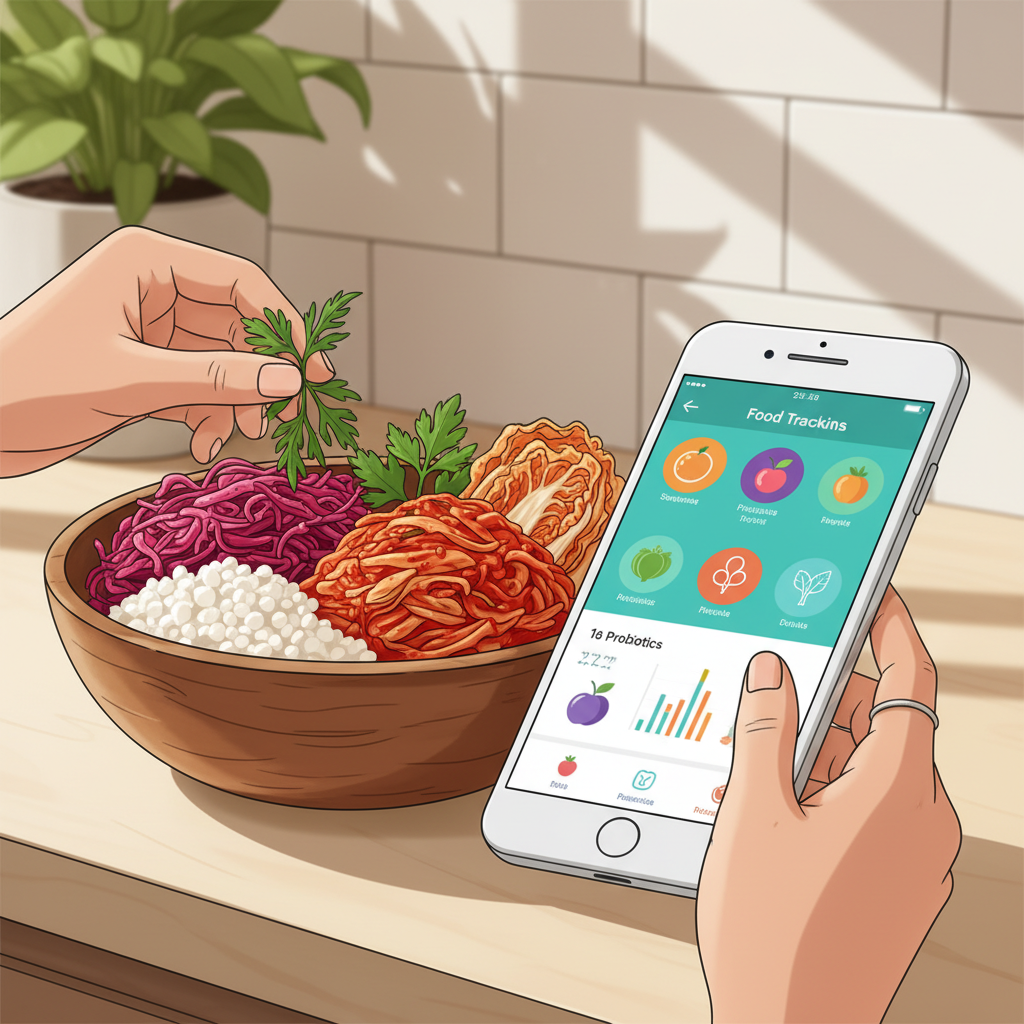
Meal Logging That Heals: How Jessica Tracked Fiber Without Obsessing Over Numbers
I used to watch Jessica frantically calculate exact fiber grams until her gut issues got worse from the stress. Then she switched to what I call "traffic light tracking" - green for high-fiber wins, yellow for moderate, red for basically none.
Her morning oats with berries? Green. Lunch salad with chickpeas? Green. That slice of white bread at dinner? Red, but she didn't panic about it.
Within weeks, she was naturally gravitating toward more greens without the obsessive math. Her digestive symptoms improved because she was actually eating instead of calculating. Sometimes the simplest approach wins.
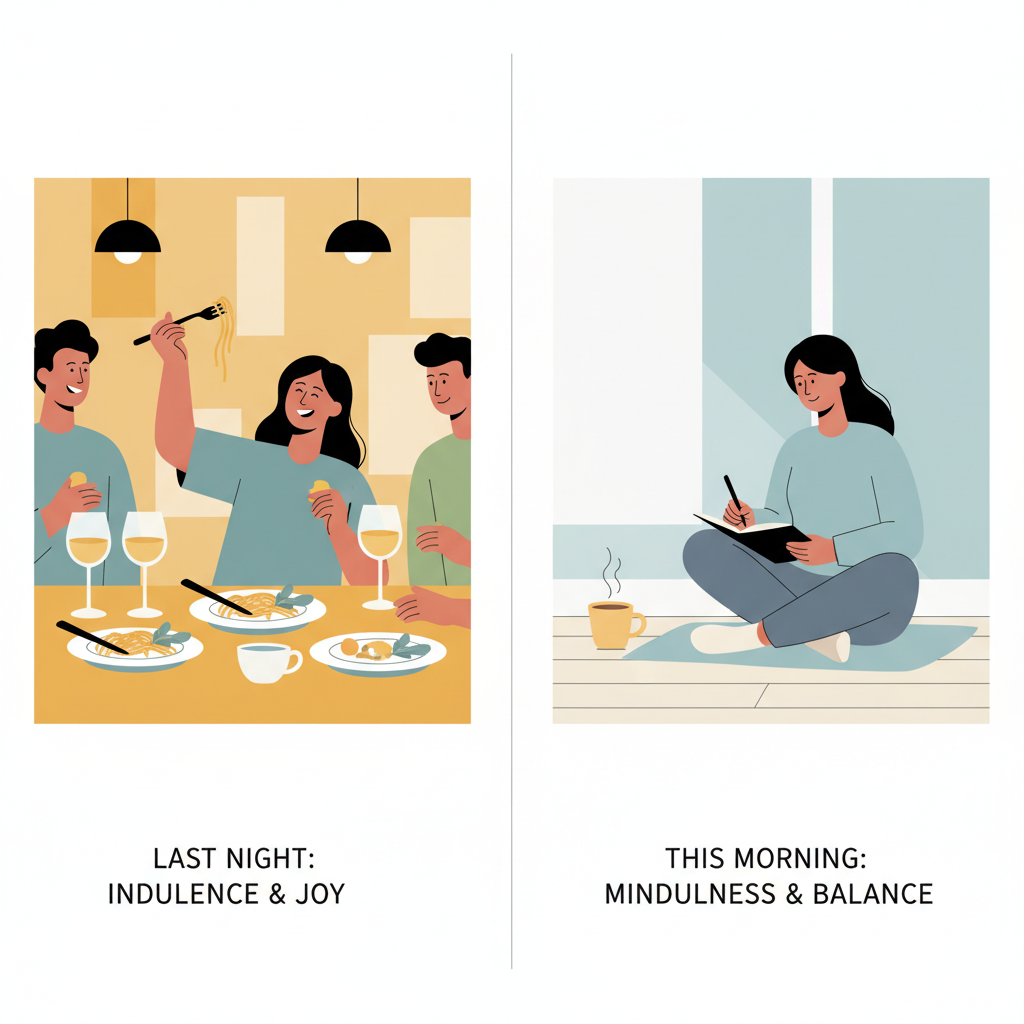
The 80/20 Tracking Method: Managing Flare-Ups While Still Living Your Life
Step 1: Track religiously during flare-ups (your 20% of time). When my gut's angry, I log everything - portions, timing, symptoms. This isn't forever, it's detective work. I've caught so many triggers this way that I never would have connected otherwise.
Step 2: Go loose during good periods (your 80% of time). When I'm feeling solid, I track maybe 3-4 days a week, focusing on new foods or eating out. The rest? I trust what I've learned and live normally.
Step 3: Switch between modes without guilt. Last month I tracked for two weeks straight after a rough patch, then barely logged anything for three weeks. That's not failure - that's using the tool when you need it most.
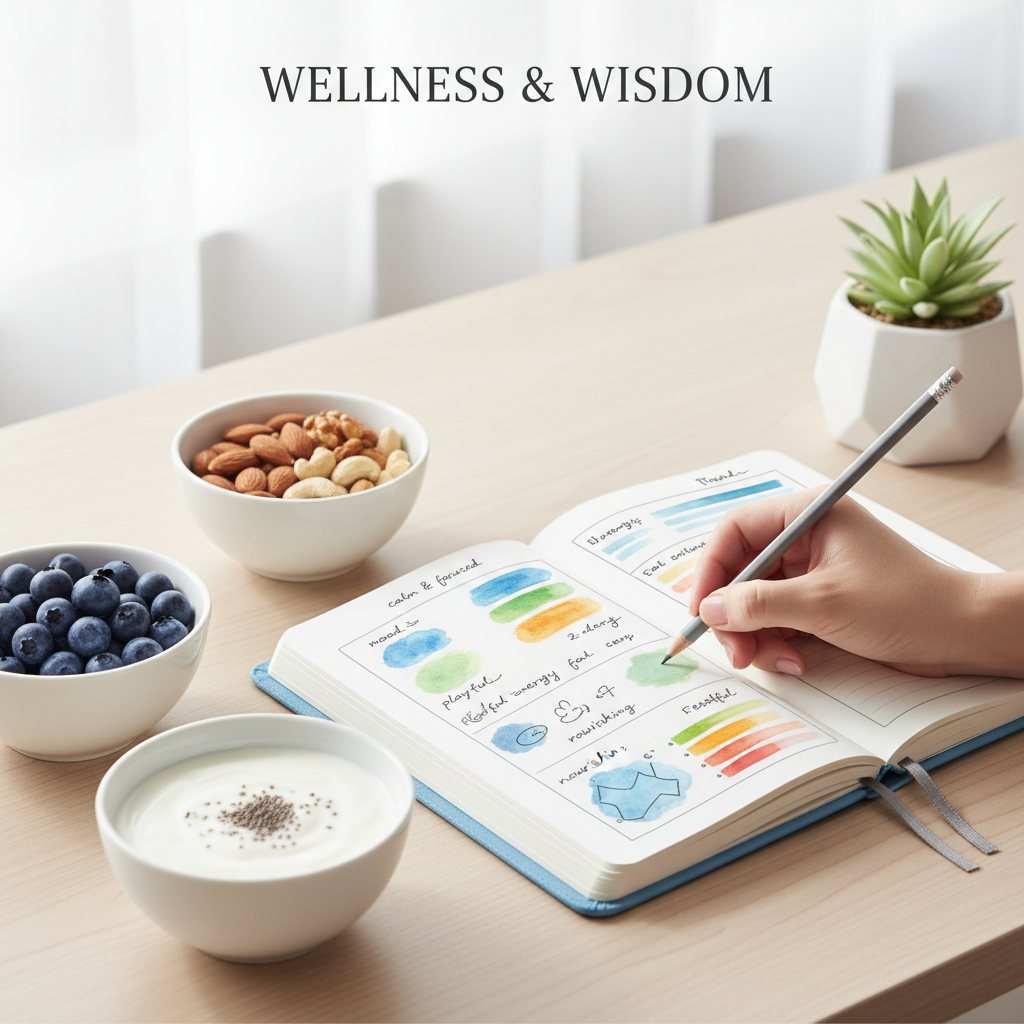
Beyond the Scale: Using Energy Patterns and Digestive Symptoms as Your Real Success Metrics
Week 1-2: I track energy crashes alongside meals. That 3pm slump after lunch? Your gut's telling you something about what you ate three hours earlier.
Week 3-4: Bloating patterns become obvious. I've learned Tuesday's discomfort usually traces back to Sunday's dairy experiment. The scale won't show this connection.
Month 2-3: Sleep quality starts correlating with dinner timing. When I eat after 8pm, my tracker shows restless sleep - even if my weight stays identical.
Month 4+: Energy feels stable throughout the day. No more afternoon crashes or morning brain fog. My jeans fit better, but honestly? The real win is not feeling like garbage after every meal.
Common Questions Answered
Does calorie tracking actually help with gut healing or just make you more obsessed with food?
From what I've seen, loose calorie tracking can actually help gut healing when you use it to make sure you're eating enough - especially protein and fiber - rather than restricting. I track more to catch myself undereating during flares than to limit myself, and it's helped me realize I was way under my needs when my gut was acting up.
Is calorie tracking for gut health worth the mental energy when you're already dealing with digestive issues?
Honestly, if you're someone who gets anxious about numbers, skip it entirely and focus on eating consistently throughout the day instead. But if you're like me and tend to barely eat when your gut hurts, a simple food log (even just photos) can be a reality check that you're not accidentally starving your healing process.
Where I'd Start Tomorrow
Here's what I'd do: track for just one week without changing anything. Notice patterns between what you eat and how your gut feels, not the calorie numbers themselves. My take? Most people discover their "problem foods" aren't what they expected. Start curious, not restrictive – your gut will tell you everything you need to know.


