
Cronometer Alternative for Intuitive Eaters Who Want Data
Snacko is the food tracking app that makes healthy eating effortless. Join thousands building better eating habits every day.

You're staring at your Cronometer app, feeling that familiar knot in your stomach. On one hand, you genuinely want to understand your nutrition patterns—maybe you're not getting enough protein, or you're curious about your micronutrients. On the other hand, logging every bite feels like stepping backward into diet culture hell.
I get it. I've watched too many people abandon helpful data altogether because traditional tracking apps trigger their restriction mindset. But here's what I've learned: you don't have to choose between intuitive eating and nutritional awareness.
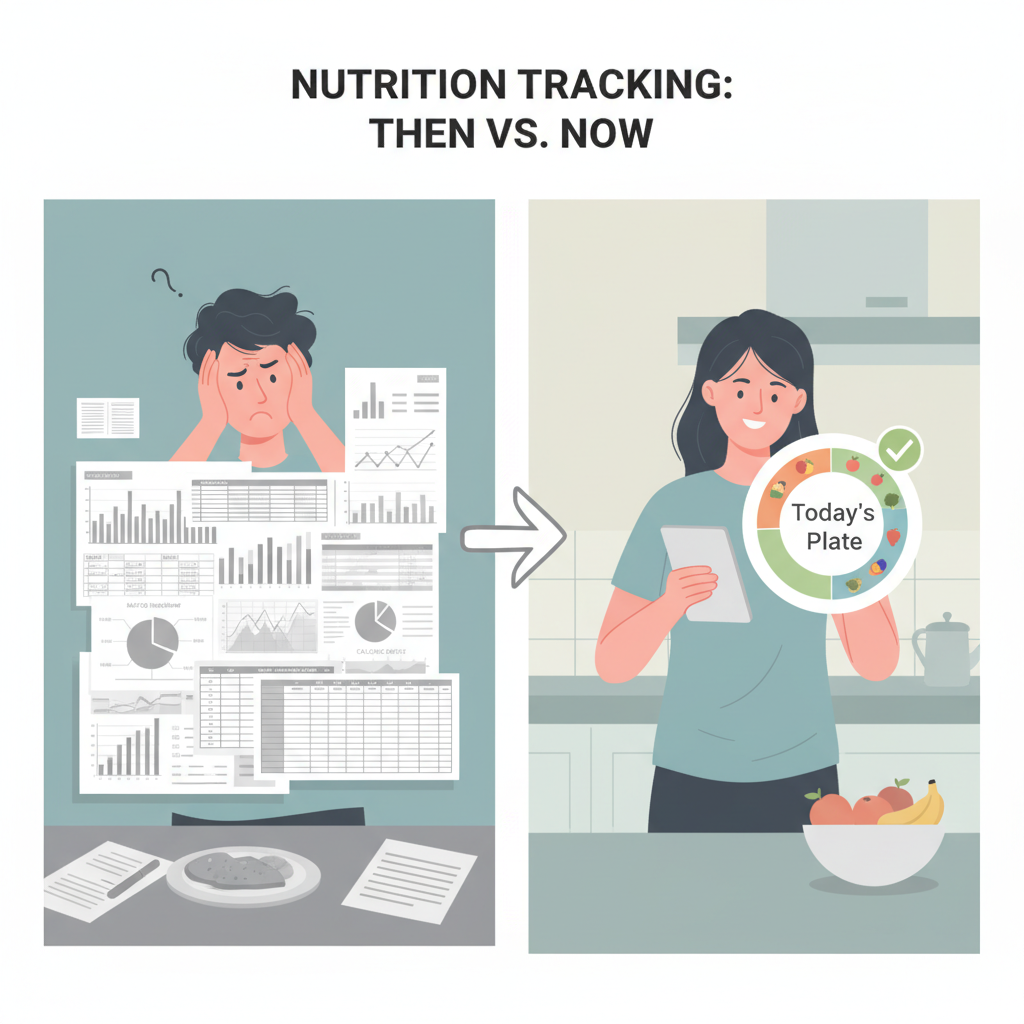
Here's What Made Me Ditch Cronometer (And What I Use Instead)
Cronometer felt like homework every single day. I'd spend 15 minutes hunting through their database trying to find "medium apple" versus "large apple," then second-guessing whether my chicken breast was actually 4.2 ounces or 4.5. The barcode scanner missed half my groceries, and don't get me started on trying to log a homemade stir-fry.
The breaking point was when I realized I was avoiding social dinners because logging "grilled salmon with unknown sauce" felt impossible. That's not intuitive eating—that's food anxiety with a nutrition label.
I switched to MyFitnessPal for the simpler logging, but honestly? Most days I just use a basic food journal app called DayOne where I snap photos and write quick notes about hunger levels and how foods make me feel.
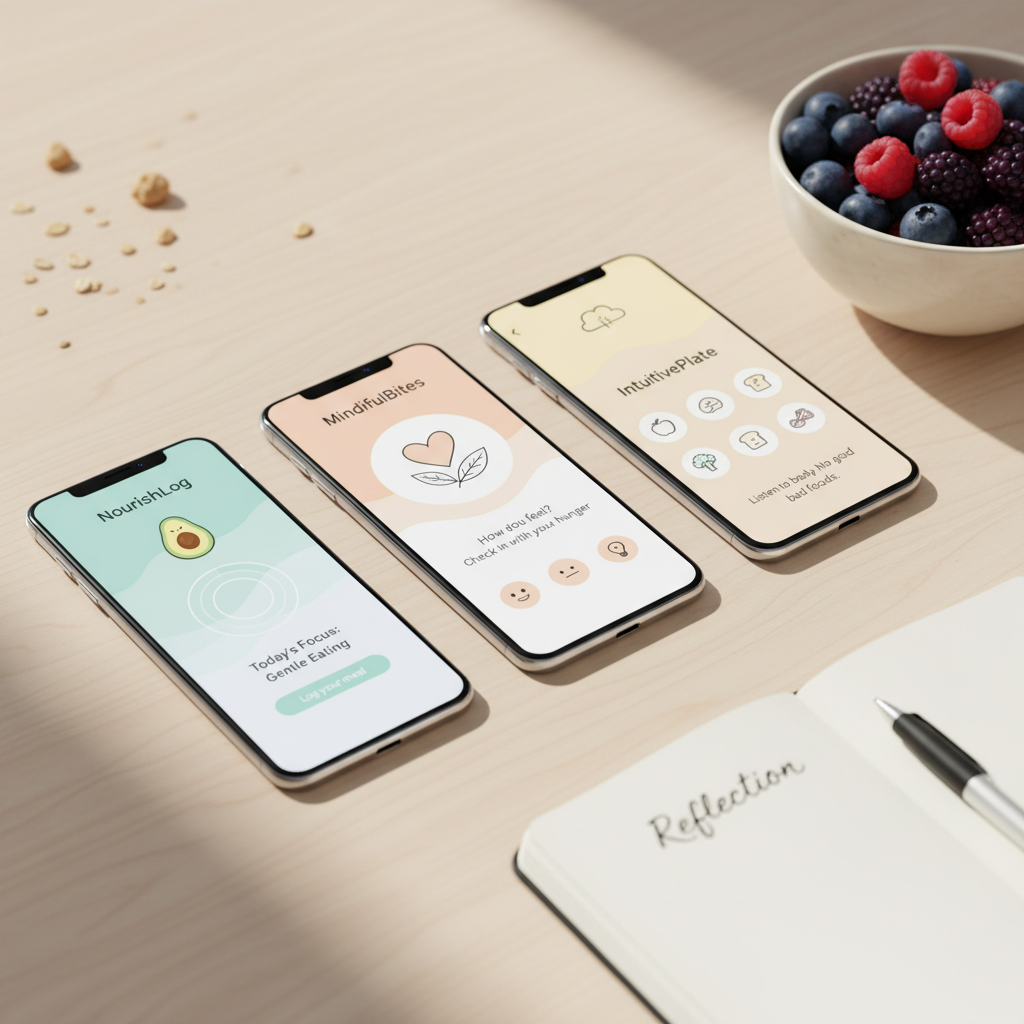
Three Apps That Actually Get Intuitive Eating (Without Making You Obsess)
After testing way too many apps, I've found three that actually understand the assignment. Rise Up lets me log hunger/fullness levels and energy without calorie drama – I use it maybe twice a week when I'm curious about patterns. Ate is just photos of meals with mood tags, which sounds silly but helped me spot my stress-eating triggers without overthinking portions.
MyFitnessPal's Quick Add feature (yeah, really) became my go-to for gentle tracking. I log "balanced breakfast" or "satisfying dinner" instead of scanning barcodes like a robot. The benchmark I use: if an app makes me second-guess my lunch choice or calculate "remaining calories," it's gone. These three let me stay curious about my eating patterns without turning me into a walking nutrition label scanner.

When Your Inner Food Police Starts Loving Data a Little Too Much
You start micromanaging single meals instead of looking at patterns. I've caught myself obsessing over whether my Tuesday lunch had "enough" protein, completely missing that my overall week was totally balanced. The data becomes a weapon against individual food choices rather than useful feedback.
Numbers trump how you actually feel. When I found myself eating more just because the app said I was "under" my usual intake—despite feeling satisfied—that was my cue to step back. Your hunger and energy levels matter more than hitting arbitrary targets.
You're using tracking to justify restriction. If you're secretly pleased when your calories are "low" or using macros to validate not eating enough, the data has become diet culture in disguise. I learned to ask myself: am I tracking to understand my patterns, or to control them?
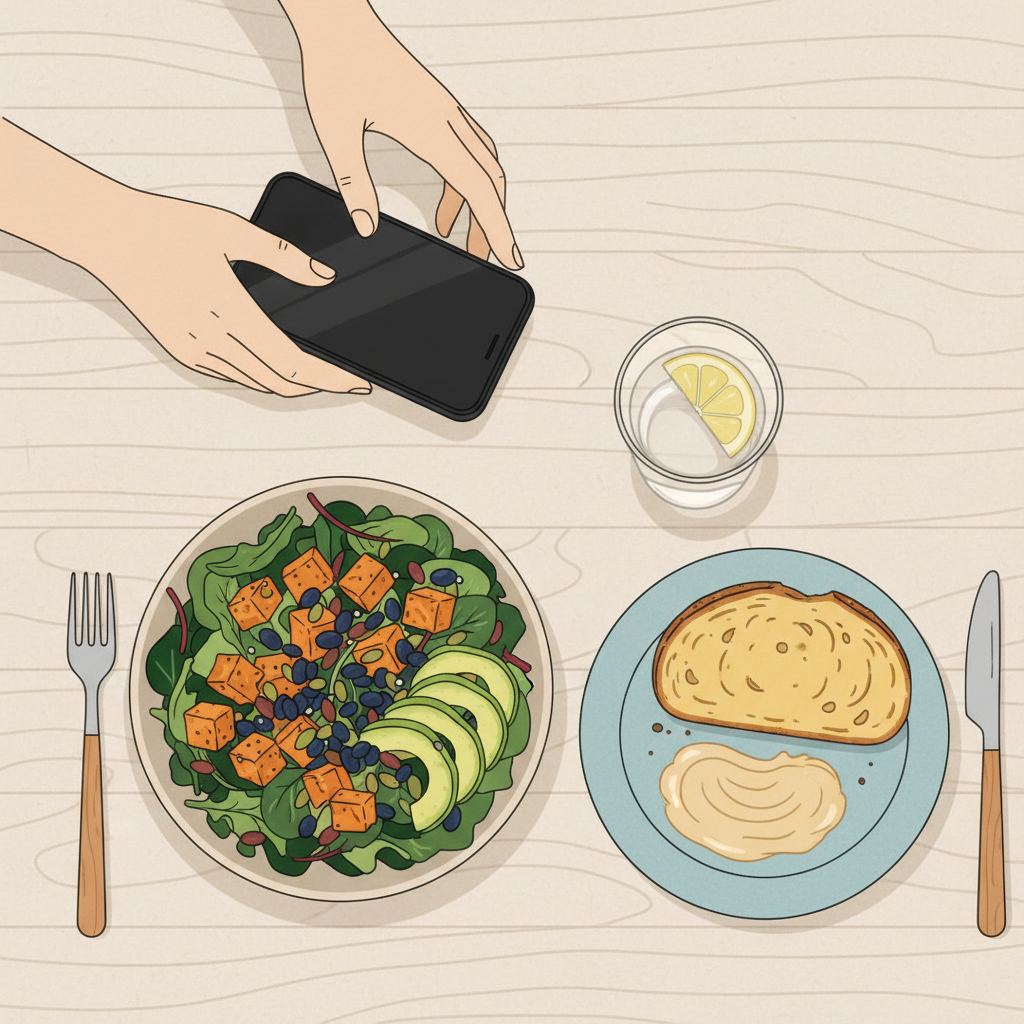
Setting Boundaries With Your Tracking App (Yes, Really)
Here's what I learned the hard way: even the most intuitive-eating-friendly app can become a monster if you don't set rules upfront.
I track for three days, then take two off. Period. This prevents that sneaky slide back into obsession territory where I'm logging lettuce leaves and feeling guilty about unmeasured olive oil.
Turn off those pushy notifications immediately. "You haven't logged lunch!" feels way too much like diet culture nagging. I also refuse to track exercise calories—that's a rabbit hole I'm not going down again.
Most importantly, I delete apps during vacation or stressful periods. If tracking starts affecting my mood or food choices negatively, it goes. The data isn't worth sacrificing my relationship with food.
Quick Answers
Does Cronometer actually work for intuitive eating or does it just bring back diet mentality?
From what I've seen, it really depends on how you frame it mentally - if you're using it to satisfy curiosity about your patterns rather than to restrict or "fix" yourself, it can actually support intuitive eating by showing you that your body naturally balances nutrients over time. The key is setting it to maintenance calories (not weight loss) and focusing on trends rather than daily perfection.
Is paying for a Cronometer alternative actually worth it when you're trying not to be obsessive about food?
I'd say it's worth it if you genuinely enjoy data and find it reduces anxiety rather than increases it - some people find that seeing their nutrition patterns actually helps them trust their intuition more. But if you catch yourself restricting based on the numbers or feeling guilty about logging, then no app is worth that mental energy.
Does tracking macros mess up your hunger cues even when you're doing intuitive eating?
It can if you start eating to hit numbers instead of eating to satisfaction, but I've found it works fine when you log after eating rather than planning meals around the data. The trick is using it as a rear-view mirror to understand your patterns, not as a GPS telling you where to go next.
My Take on Tracking Without the Obsession
Here's what I'd do: pick one app and test it for two weeks max. If you're spending more time logging than actually enjoying your meals, that's your cue to step back. Data should serve you, not rule you.