
Food Logging for Heart Health With Body Neutral Approach
Snacko is the food tracking app that makes healthy eating effortless. Join thousands building better eating habits every day.

I used to think food logging meant judging every bite I took—was it "good" or "bad" for my heart? Then I watched my friend Sarah track her meals after her cardiac event, and something clicked. She wasn't obsessing over calories or beating herself up about choices. She was simply gathering information, like a curious scientist studying what made her feel energetic versus sluggish. That's when I realized food logging could actually be self-compassionate, not self-punishing.
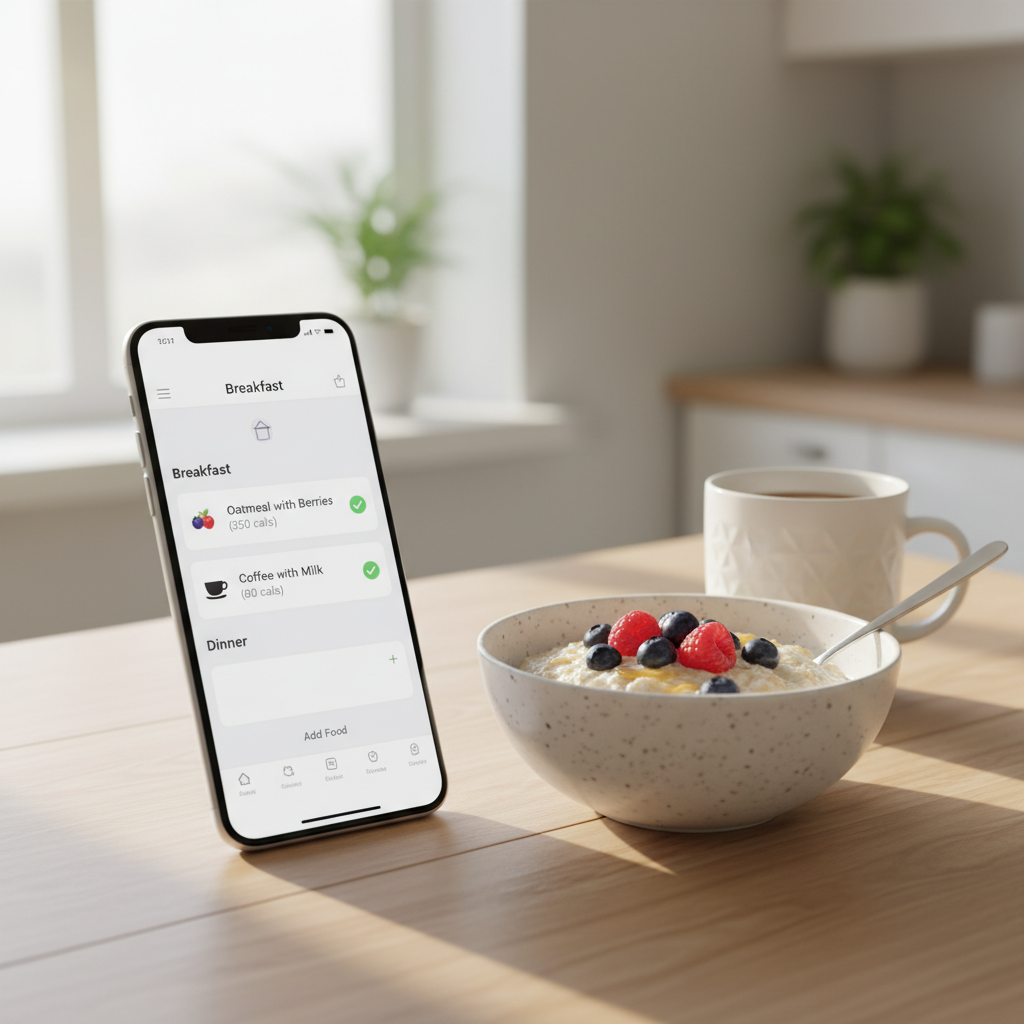
What Nobody Tells You About Heart-Smart Food Tracking (It's Not About Perfect Days)
Here's what I wish someone had told me when I started tracking for my heart health:
Your worst logging days teach you the most. That Thursday when I ate gas station food during a road trip? Pure gold for understanding my real-life patterns.
Track your wins, not just your slip-ups. I used to obsess over the pizza night but ignore the week I naturally chose salmon three times.
Weekend data matters more than weekday perfection. Anyone can eat well Monday through Friday with meal prep. Saturday brunch with friends? That's where real habits show up.
Energy levels tell the heart story better than calories. I started noting how I felt two hours after meals. Game changer for spotting which foods actually supported my cardiovascular goals versus just looking "healthy" on paper.
The Three Numbers That Actually Matter (And It's Not What You Think)
After years of helping people track food for heart health, I've learned that obsessing over calories is pointless. The three numbers I actually care about: sodium intake, fiber grams, and days per week you're logging consistently.
Sodium because most people have no clue they're hitting 4,000mg daily when 2,300mg is the limit. Fiber because it's the easiest predictor of whether someone's eating enough vegetables and whole grains. And consistency because logging three days a week beats perfect daily tracking that lasts two weeks.
I've seen people transform their heart health focusing just on these three metrics.
When Your Food Log Becomes Your Worst Enemy (And How I Fixed It)
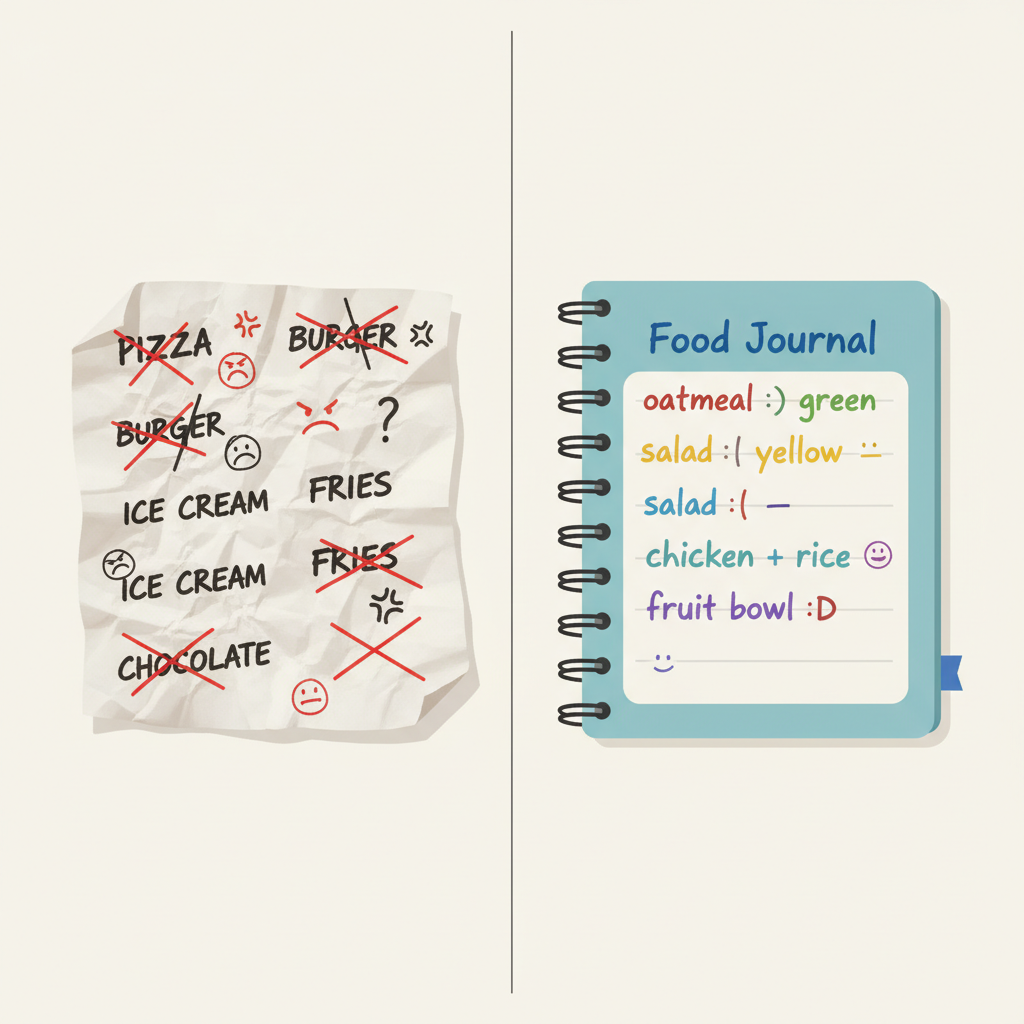
I spent three months obsessing over every gram of sodium, screenshotting my "perfect" days to show my cardiologist. The log owned me—I'd skip social dinners because I couldn't estimate restaurant portions accurately enough.
The breaking point? I found myself eating plain chicken breast at 9 PM because my app said I had 12 grams of protein "left" for the day. That's not heart health, that's madness.
My fix was switching to pattern tracking instead of precise numbers. I log "had vegetables at lunch" or "chose whole grains today." My blood pressure improved just as much, minus the mental gymnastics.
The 5-Minute Rule That Changed Everything About My Heart Health Journey
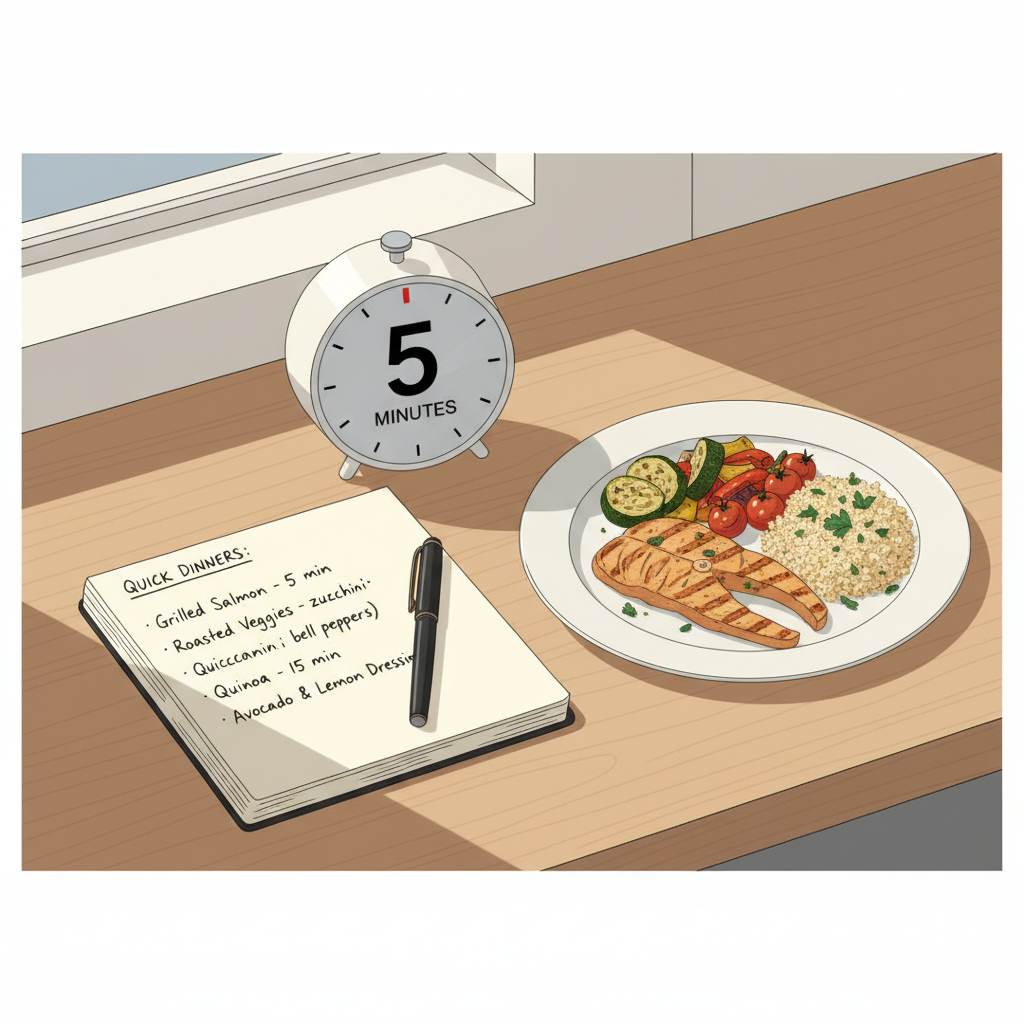
Here's where most people screw up food logging: they try to log everything perfectly from day one. I did this too – spent 20 minutes every meal tracking every ingredient, got overwhelmed, and quit within a week.
The game-changer? I started with just 5 minutes a day. That's it. I'd quickly jot down what I ate without obsessing over exact portions or perfect entries. No judgment, no "good" or "bad" labels – just facts.
This simple switch helped me spot patterns I never noticed, like how certain foods made my energy crash or my chest feel tight.
What People Ask
Should I track calories or just focus on heart-healthy foods when logging?
From what I've seen, focusing on the types of foods works way better than obsessing over numbers - I'd log things like "had salmon and veggies" rather than counting every calorie, since that keeps you thinking about nourishing your heart without triggering diet mentality.
Is it better to use a food tracking app or just write things down in a journal?
I actually prefer the old-school journal approach for heart health logging because apps tend to push calorie counting and "good/bad" food labels, while a simple notebook lets you focus on how foods make you feel and what your body actually needs.
Food logging vs intuitive eating - can you do both for heart health?
You absolutely can combine them, and I think it's actually the sweet spot - use logging as a tool to notice patterns in how different foods affect your energy and heart health symptoms, not as a way to restrict or judge yourself.
My Honest Take
Here's what I'd do if I were you: pick just one thing to track this week - maybe how different foods make you feel rather than obsessing over numbers. Your heart cares more about patterns than perfection anyway.


