
How to Use Calorie Data for Better Athletic Performance Any Size
Snacko is the food tracking app that makes healthy eating effortless. Join thousands building better eating habits every day.

I've watched a 140-pound distance runner improve her marathon time by 12 minutes just by tracking calories—not to lose weight, but to fuel properly. Meanwhile, I've seen 250-pound powerlifters struggle because they thought calorie counting was only for people trying to get smaller. Here's the thing: whether you're 120 pounds or 320 pounds, understanding your calorie needs isn't about shrinking—it's about performing at your peak.
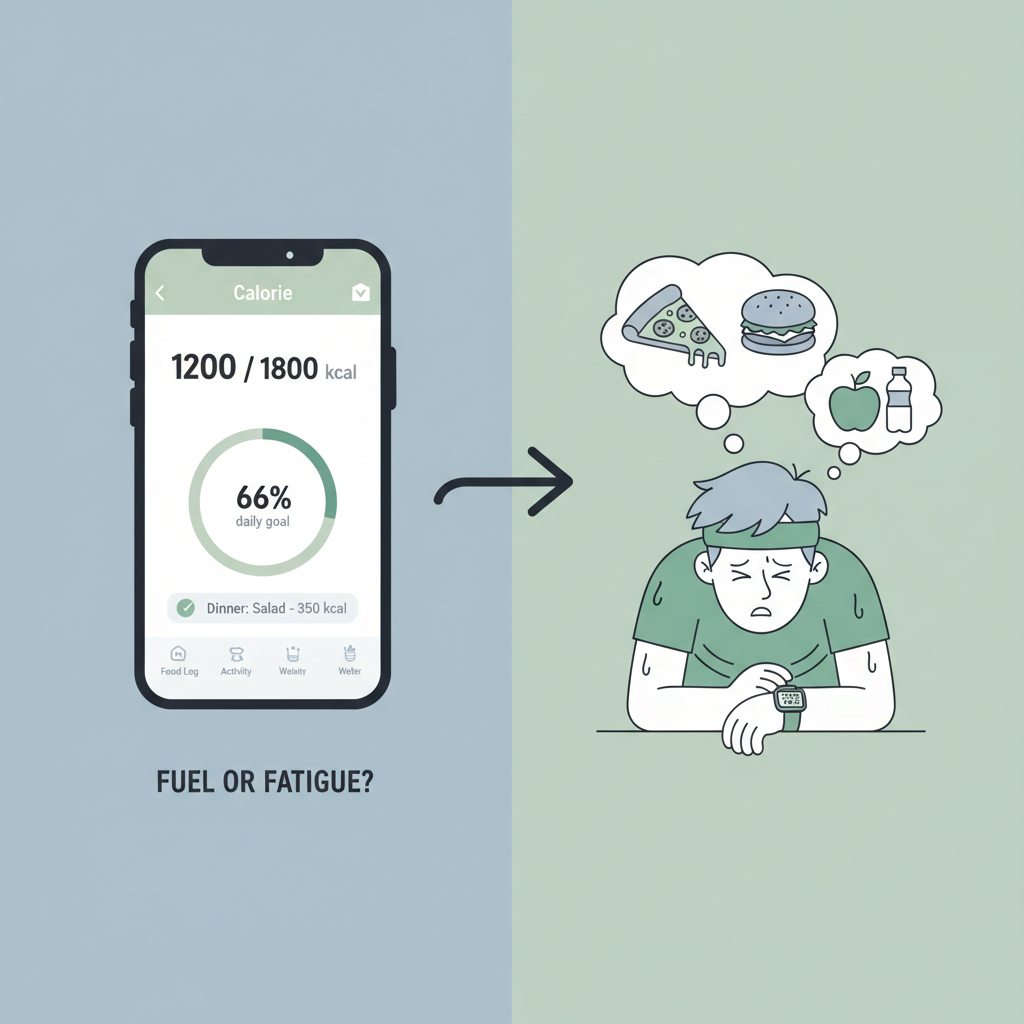
Your Numbers Don't Lie, But Your Hunger Might
I've learned the hard way that hunger isn't a reliable fuel gauge for athletes. Your body will scream for food after a brutal training session, but that doesn't mean you need 1,200 calories of pizza.
Here's my three-phase approach: Track first, adjust second, trust third. Week one, log everything without changing habits. Week two, compare your actual intake to your calculated needs—I bet you'll find gaps. Week three, start making targeted changes based on what the data shows, not what your growling stomach demands.
Your appetite lies. The numbers don't.
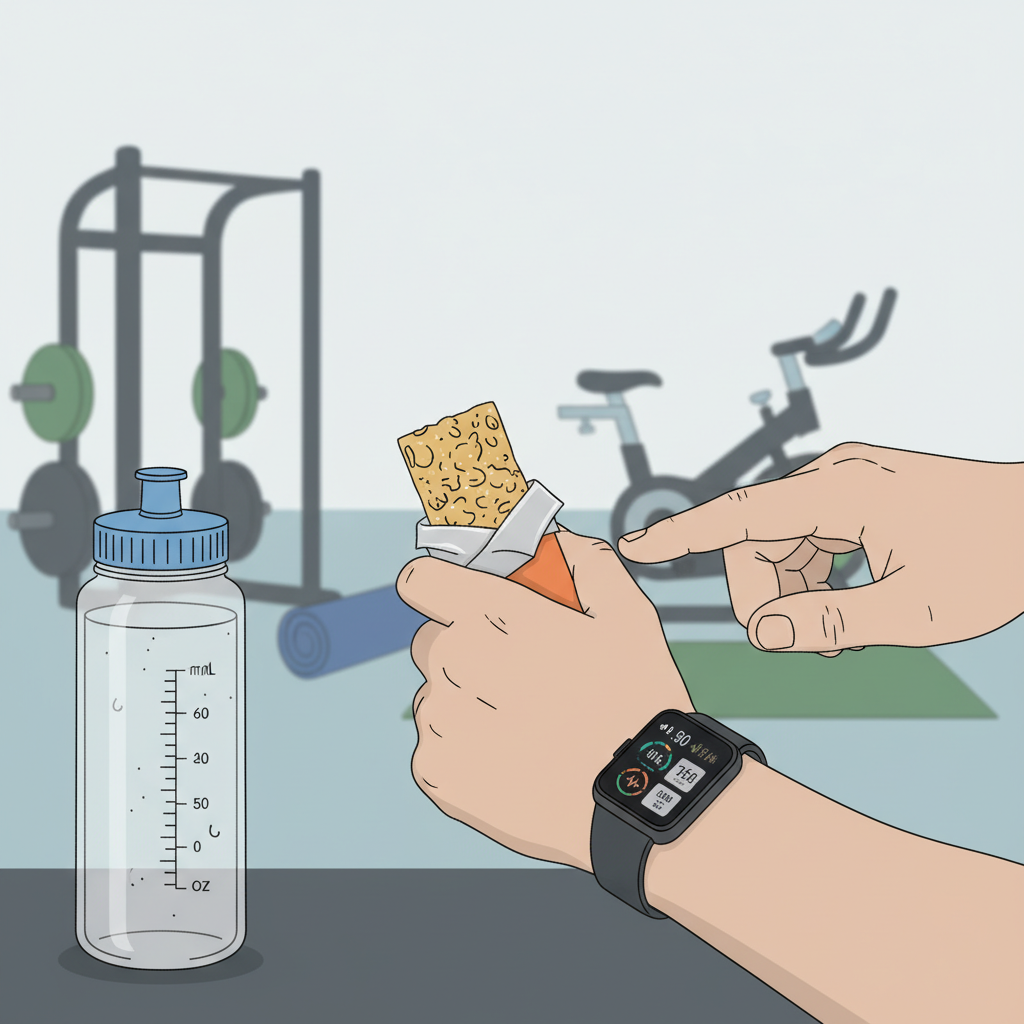
Timing Your Fuel Like You Actually Matter
Here's what I've learned the hard way: your body doesn't care about your perfect macros if you're eating a protein bar 10 minutes before sprinting. I used to nail my daily calories but completely botch the timing—then wonder why I felt sluggish during workouts.
Pre-workout, I stick to easily digestible carbs 30-60 minutes out. A banana works better than some fancy energy gel for me. Post-workout is when I get serious about protein within that magical 30-minute window. Not because some Instagram guru said so, but because I actually recover faster when I do.
The biggest game-changer? I stopped eating big meals 3 hours before training. Your stomach and your performance goals are not friends during intense sessions.
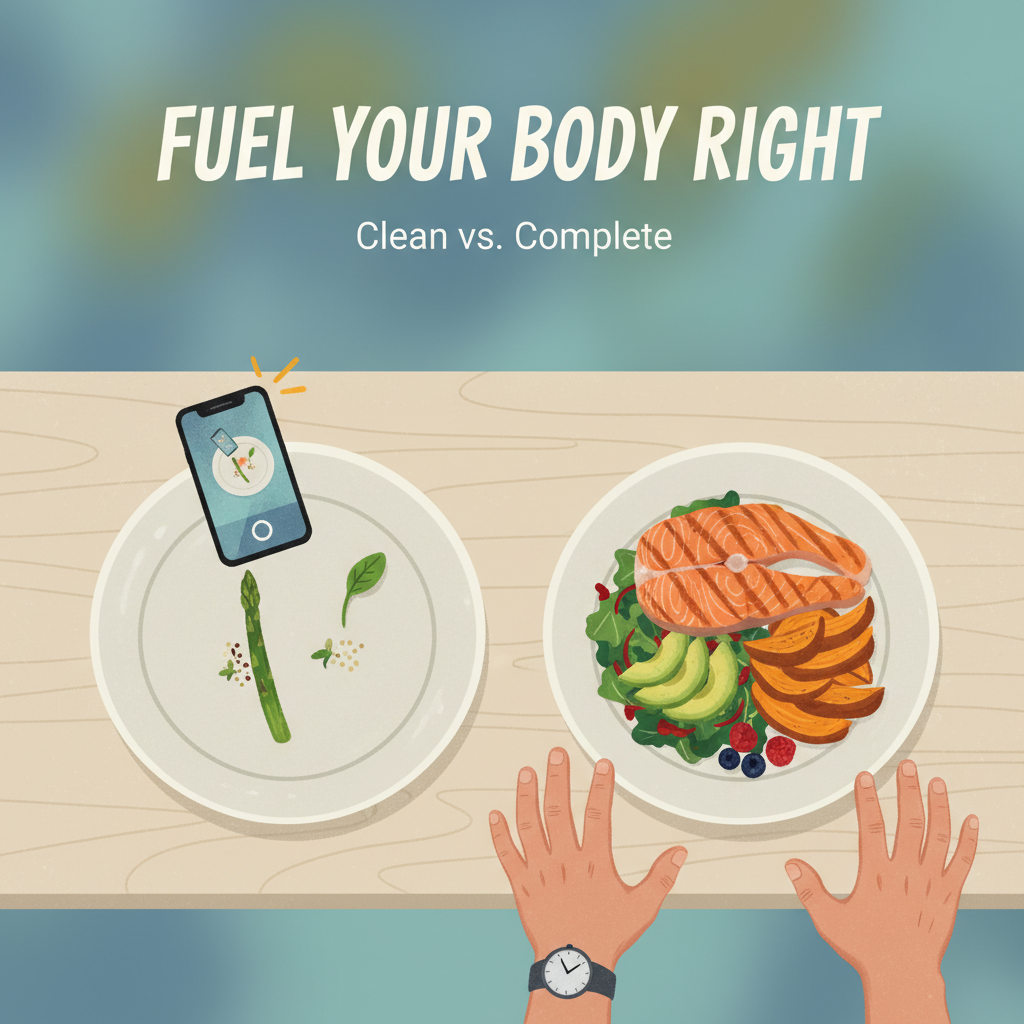
When 'Eating Clean' Becomes Eating Stupid
I've watched too many athletes sabotage themselves with "clean eating" obsessions while ignoring basic energy math. A runner I knew ate nothing but quinoa bowls and kale smoothies, then wondered why her times were tanking. She was hitting maybe 1,800 calories while training 15 hours a week.
Here's my mental model: food quality matters, but energy quantity rules performance. That organic sweet potato has the same calories as regular ones. Your muscles don't care if your carbs came from a farmers market or a gas station – they just need fuel to work.
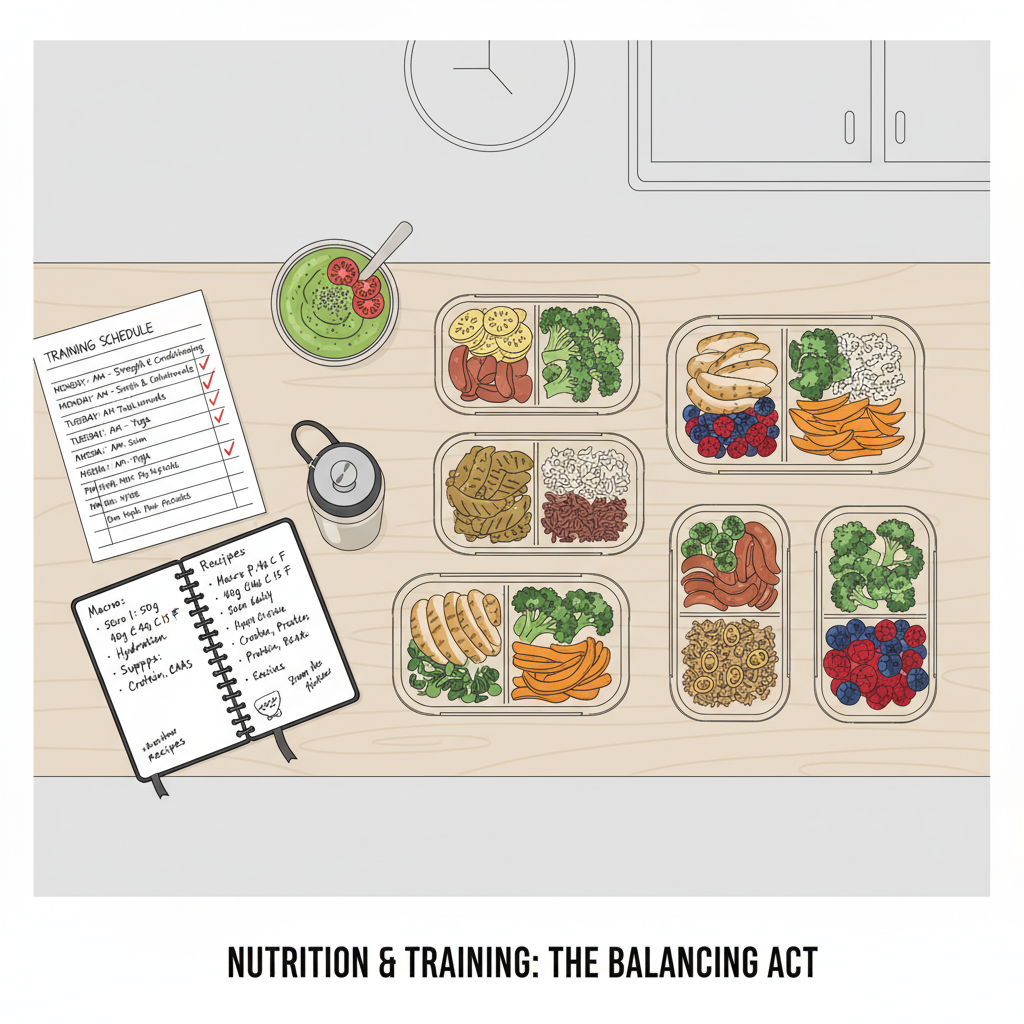
Making Peace with Food When You're Pushing Limits
I had to learn the hard way that tracking calories as an athlete isn't about restriction—it's about making sure you're eating enough. When I was training for my first marathon, I was so focused on staying lean that I was probably eating 500-600 calories less than I needed. My long runs felt terrible, and I kept getting injured.
The breakthrough came when I started thinking about calories like fuel for my car. You wouldn't drive cross-country on half a tank, right? Now I track to make sure I'm hitting my minimums, especially around big training blocks. If I'm burning 3,500 calories and only eating 2,800, that's a recipe for burnout, not better performance.
Quick Answers
Should I eat the same calories on rest days versus training days?
Definitely not - I learned this the hard way after feeling sluggish during workouts while trying to eat the same amount every day. On heavy training days, I'll eat 300-500 more calories, and on complete rest days, I drop it back down since my body isn't demanding that extra fuel.
How do I know if I'm eating enough calories without gaining unwanted weight?
Track your energy levels and performance first, then worry about the scale - if you're hitting PRs and recovering well but gaining a pound or two, that's probably muscle and improved glycogen storage. I've found that most athletes, especially women, eat way too little and wonder why their performance plateaus even though they're "eating clean."
What's the biggest calorie mistake smaller athletes make?
They copy the eating plans of bigger athletes and wonder why they feel awful - a 120-pound runner doesn't need the same 4,000 calories as a 200-pound powerlifter, even if they're both "serious athletes." I always tell people to start with their baseline needs and add based on their actual training volume, not what some Instagram fitness influencer is doing.
Your 30-Day Reality Check
Here's what I'd do: Track your calories for exactly 30 days without changing anything else. Just observe. Most athletes I know are shocked by what they discover about their actual intake versus their assumptions.
My take? You can't optimize what you don't measure first.


