
Mindful Eating App Reviews: Track Food Without Diet Culture Shame
Snacko is the food tracking app that makes healthy eating effortless. Join thousands building better eating habits every day.

What if tracking your food didn't come with a side of guilt and self-hatred?
I've been down the rabbit hole of diet apps that turn every meal into a math problem and every snack into evidence of your "lack of willpower." It's exhausting. But here's what I've discovered: there are actually mindful eating apps out there that help you pay attention to your food without the shame spiral. I've tested seven of them over the past few months, and some genuinely surprised me with their gentle approach.
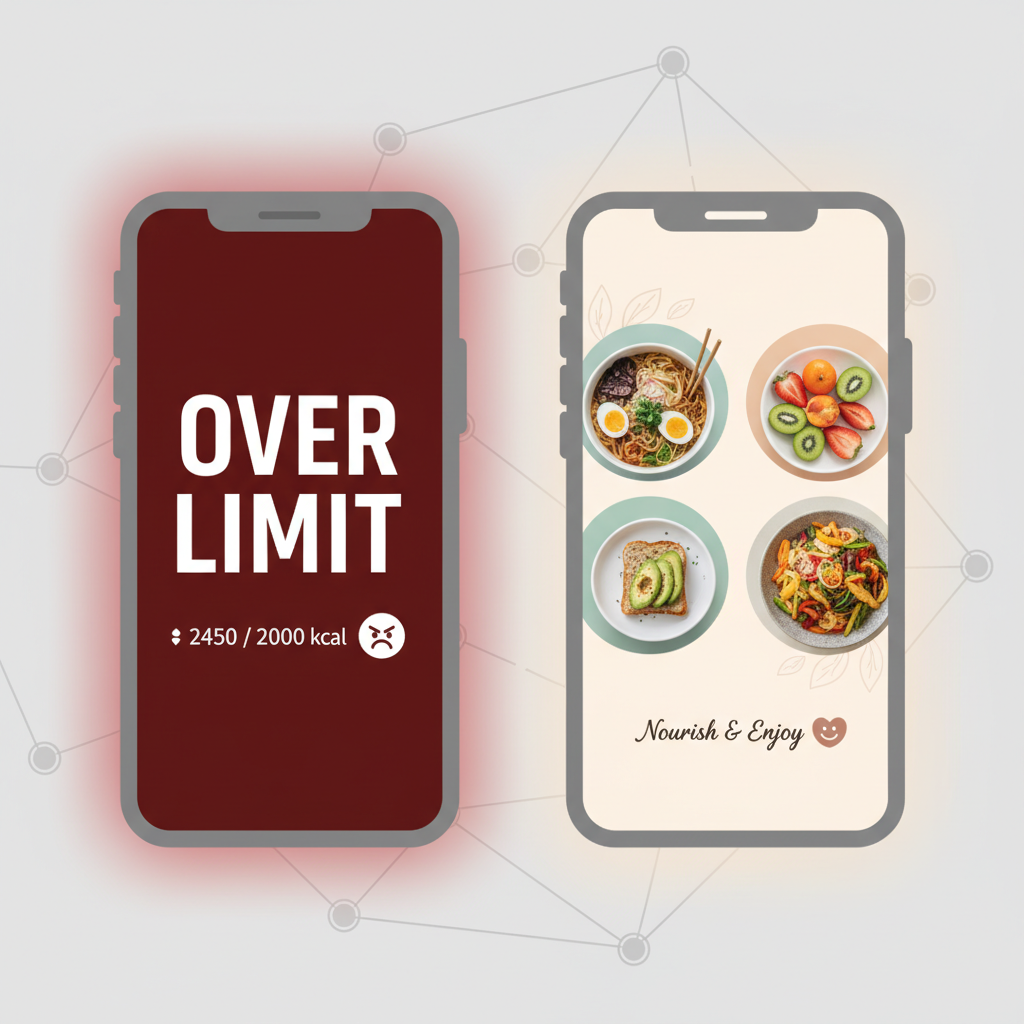
Why I Ditched My Calorie Counter After Two Weeks of Food Anxiety
I lasted exactly 13 days with MyFitnessPal before I found myself standing in my kitchen at 9 PM, calculator in hand, trying to figure out if I could "afford" a handful of almonds.
The app turned every meal into a math problem. I'd scan a banana and feel guilty because it was "large" instead of "medium." I started choosing foods based on how easy they were to log rather than what my body actually wanted. The worst part? I began avoiding dinner with friends because restaurant meals were impossible to track accurately.
That breaking point came when I realized I'd spent more time that week thinking about calorie budgets than actually enjoying food. The mental gymnastics were exhausting, and honestly, kind of disordered. I needed something that helped me pay attention to eating without turning every bite into a moral judgment.
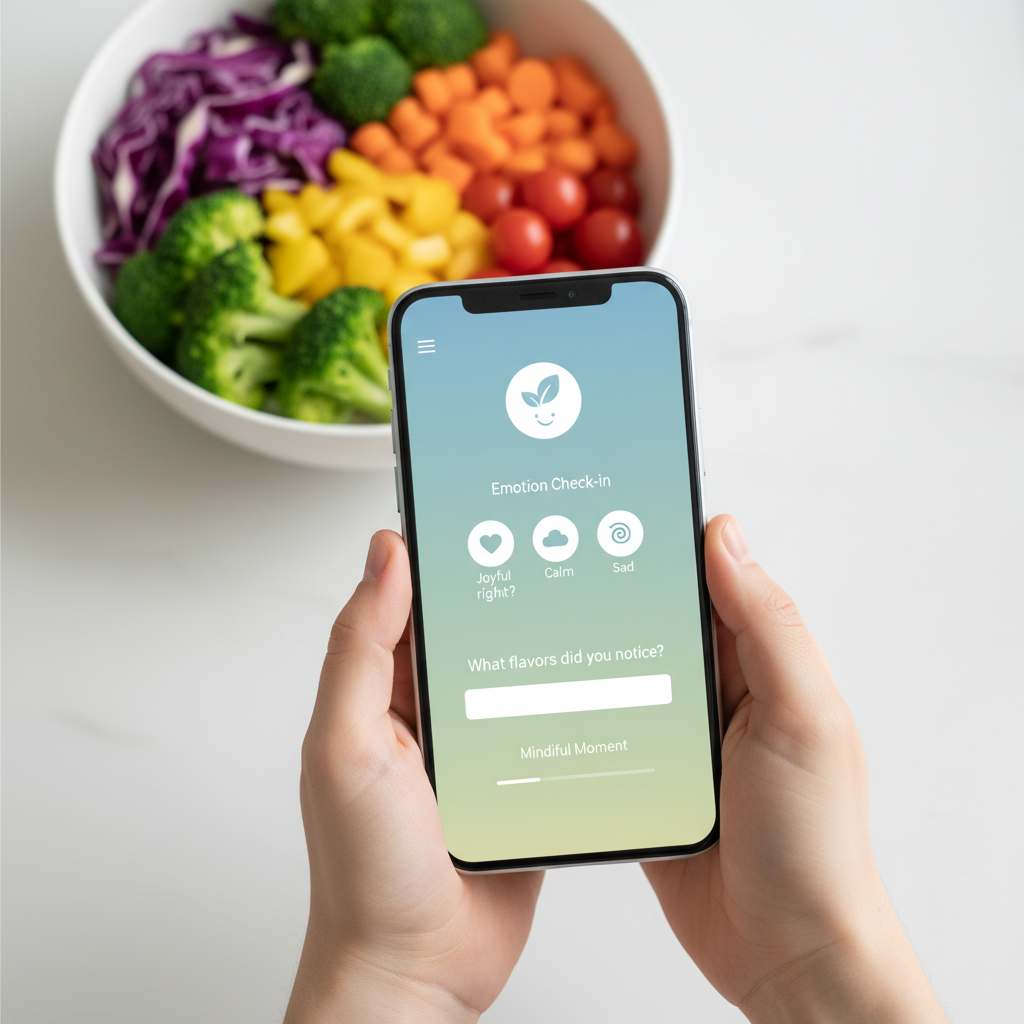
Apps That Actually Ask 'How Did That Make You Feel?' Instead of 'How Many Calories?'
Top pick: Ate Food Diary - I love that this one lets you just take photos and rate meals on a simple good/okay/off track scale. No calorie counting, just visual tracking that helps you notice patterns.
Second choice: Rise Up + Recover - Originally designed for eating disorder recovery, but honestly useful for anyone breaking free from food obsession. The mood tracking tied to meals was eye-opening for me.
Worth trying: Mindful Eating Tracker - Super basic interface that focuses on hunger/fullness cues and eating speed. Gets repetitive after a few weeks, but great for building awareness initially.
All three skip the shame spiral that comes with traditional food apps.
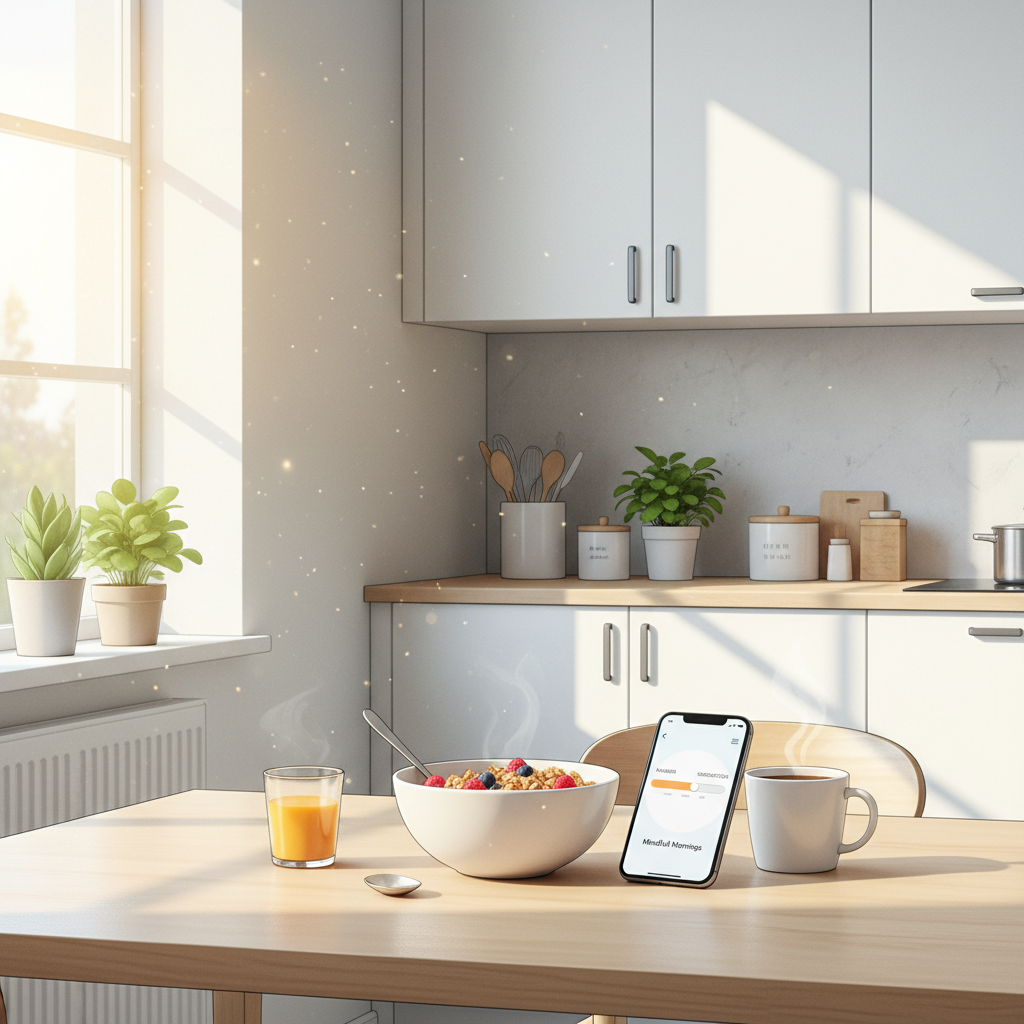
Three Months In: How Tracking Hunger Cues Changed My Relationship with Breakfast
I used to force down oatmeal at 7 AM because "breakfast is the most important meal." Three months of hunger tracking showed me I'm genuinely not hungry until 9:30 or 10 AM most days.
The app helped me notice patterns – I'd rate my hunger as a 2 out of 10 but eat anyway out of habit. Now I wait for actual hunger signals and eat when my body asks for food, not when my schedule demands it.
What surprised me most? Some mornings I'm genuinely hungry at 6:30 AM, especially after strength training days. The tracking taught me to honor both scenarios instead of following rigid breakfast rules that never made sense for my body.
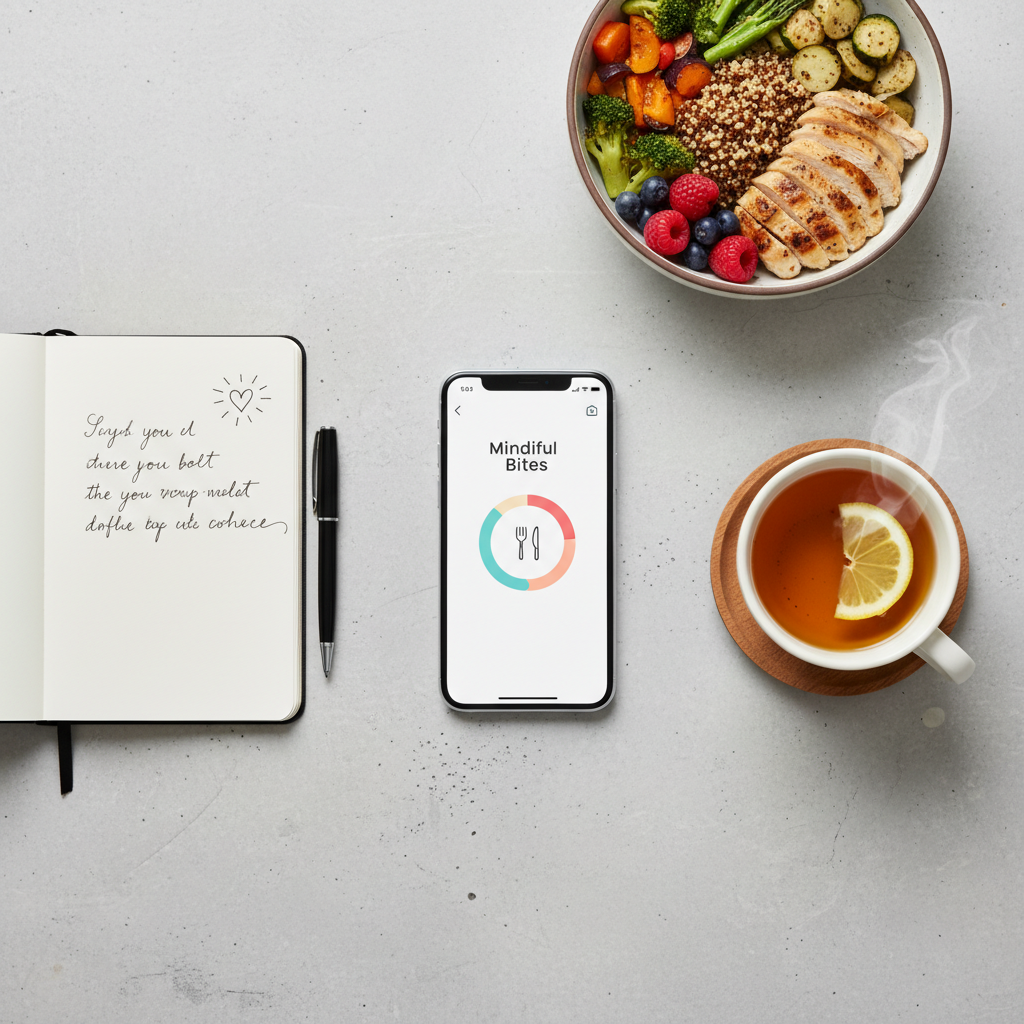
Finding the Sweet Spot Between Awareness and Obsession in Food Apps
I've watched myself cross that line from helpful awareness into obsessive tracking more times than I care to admit. You know you're there when you're scanning barcodes at 11 PM or feeling guilty about that handful of almonds you forgot to log.
The reality check? Most food apps are designed to be addictive. They want daily engagement, not your mental health. I've learned to ignore the streak counters and daily logging reminders entirely.
What actually works: Using apps as occasional check-ins rather than daily confessionals. I'll track for a week when I'm curious about my fiber intake, then put it away for months. The insight comes from patterns over time, not obsessing over every meal.
If opening the app feels stressful instead of neutral, that's your sign to step back.
Quick Answers
How do I track food without triggering diet shame?
I've found the key is using apps that let you log food without any calorie counting or judgment labels - apps like Ate or See How You Eat just track what you ate with photos or simple notes, no "good" or "bad" food categories. The moment an app starts color-coding my meals or giving me deficit targets, I know it's going to mess with my head.
When should I use a mindful eating app versus a regular food tracker?
From what I've experienced, mindful eating apps work better when you're trying to understand your eating patterns or emotional triggers rather than lose weight. I'd recommend switching to one if you find yourself obsessing over numbers in traditional trackers or if you want to focus on how foods make you feel rather than their nutritional stats.
How do mindful eating apps actually help without calorie counting?
The best ones I've tried focus on awareness rather than restriction - they'll prompt you to notice if you're hungry, how the food tastes, or what emotions you're feeling while eating. It's surprisingly effective because once you start paying attention to these patterns, you naturally make better choices without the shame spiral that comes with traditional diet tracking.
My honest take on tracking without the toxic stuff
Here's what I'd do: try one of these apps for a week and see how it feels. If you catch yourself obsessing over numbers instead of noticing hunger cues, that's your sign to step back.
Your relationship with food matters more than perfect data.


