
Mindful Eating Tracker for Depression That's Actually Helpful
Snacko is the food tracking app that makes healthy eating effortless. Join thousands building better eating habits every day.

I used to roll my eyes at the whole "mindful eating" thing, especially when I was dealing with depression. Like, great – now I have to think about food too? But after months of either stress-eating my feelings or completely forgetting to eat until 3pm, I realized I needed some kind of system that wasn't another thing to feel guilty about. Most tracking apps made me feel worse, but I've found a few approaches that actually help me notice patterns without turning mealtime into homework.
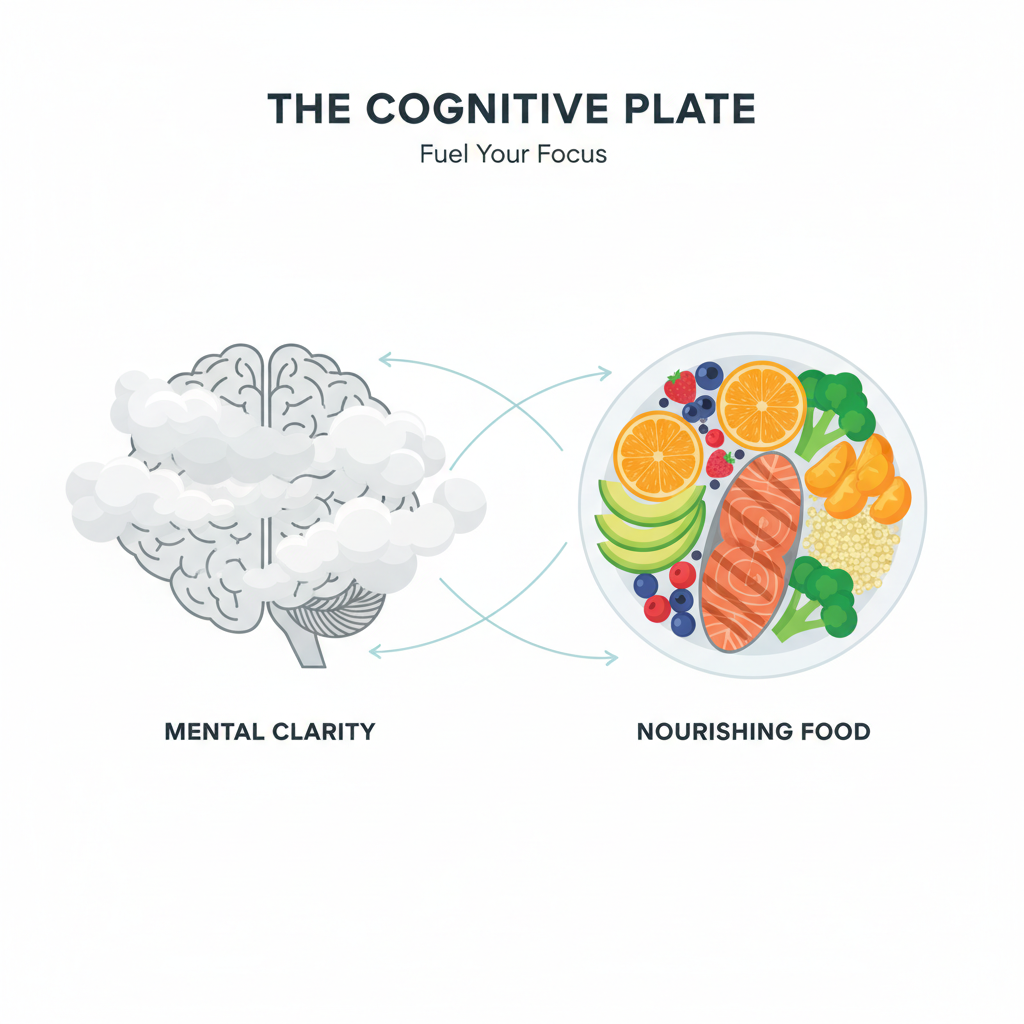
Your Brain on Empty: When Depression Makes Food Complicated
I spent three days last month eating nothing but crackers and string cheese because my brain couldn't process anything more complex than "open package, eat contents." Depression doesn't just mess with your mood—it hijacks your entire relationship with food.
Some days I'd stand in my kitchen for twenty minutes, genuinely unable to decide between cereal or toast. Other days, I'd order expensive takeout I didn't even want because choosing felt impossible. The guilt cycle is brutal: you feel bad about not eating well, which makes you feel worse, which makes eating properly even harder.
What I've learned is that when depression hits, your brain literally can't handle the decision fatigue that comes with normal eating. You need systems that work even when you don't.
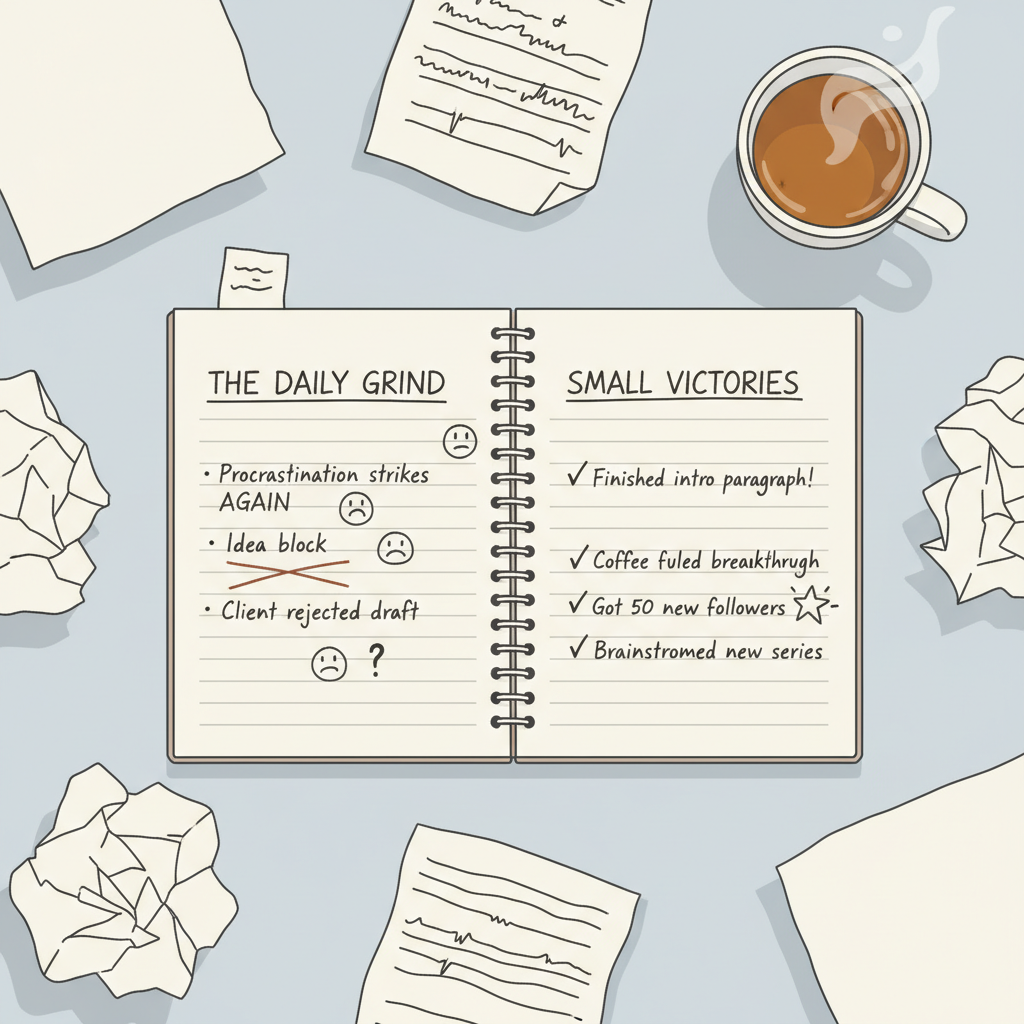
Track Without the Shame Spiral: A Different Kind of Food Journal
I've tried the standard "write down every calorie" approach. It made me obsessive and miserable, especially during depressive episodes when I was already beating myself up about everything.
What actually works is tracking feelings alongside food. Instead of "ate pizza = bad," I write "ate pizza because I felt overwhelmed after work call." The difference? One creates shame, the other creates understanding.
I track three things: what I ate, how I felt before eating, and how I felt after. No calories, no judgments about "good" or "bad" foods. Just patterns. Turns out I stress-eat crackers specifically when I'm anxious about deadlines, but reach for fruit when I'm genuinely hungry.
The Three-Bite Rule and Other Micro-Victories Worth Celebrating
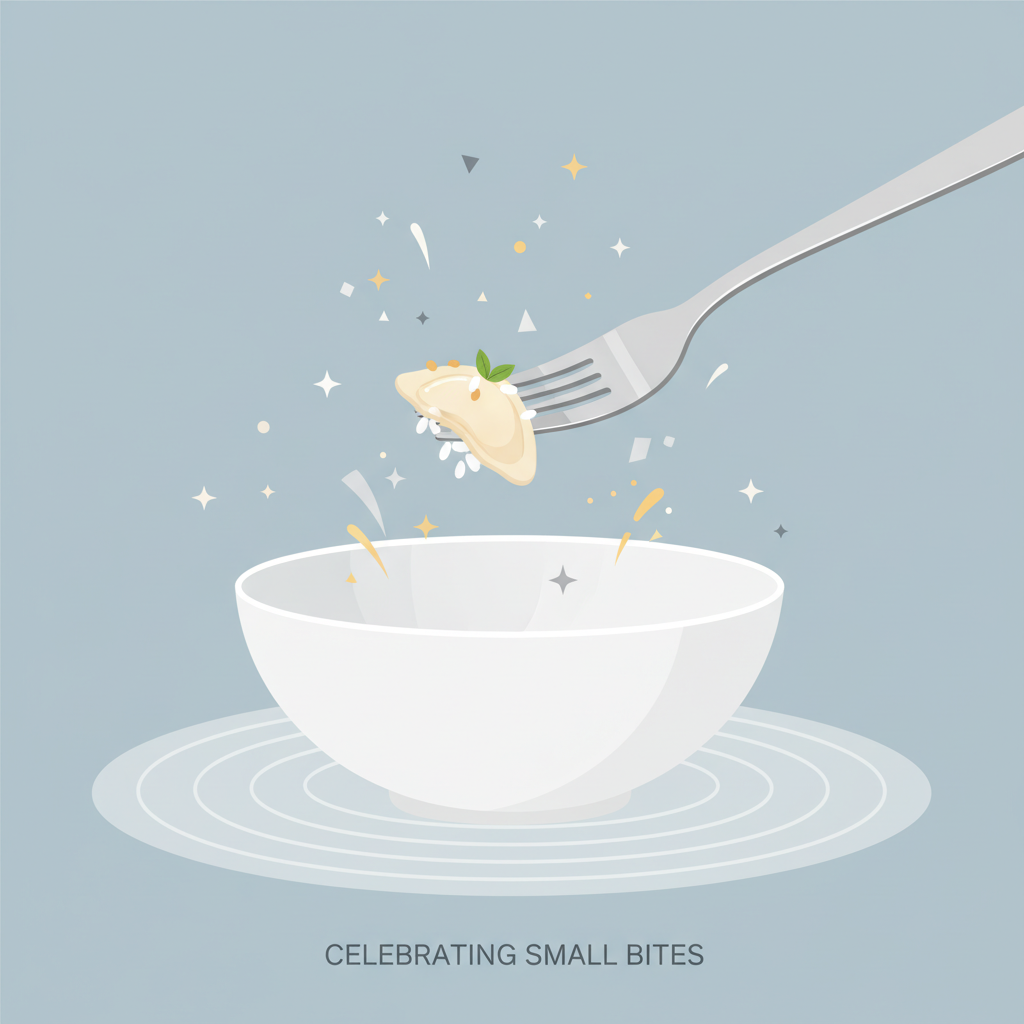
I used to think mindful eating meant savoring every single bite, which felt impossible when depression made food taste like cardboard. The three-bite rule changed everything: just pay attention to the first three bites of any meal. That's it.
It evolved from my therapist suggesting "one mindful bite" (too minimal) to trying full meals (overwhelming). Three bites hit the sweet spot—enough to actually taste something without the pressure of maintaining focus through an entire meal.
Now I track these tiny wins: noticing I actually wanted the sandwich, eating breakfast before noon, choosing something colorful. These micro-victories add up way faster than forcing some perfect mindful eating ritual ever did.
Building Your Personal Early Warning System
I think about food-mood tracking like setting up smoke detectors in your house. You're not trying to prevent every fire, you're creating an alert system for when things start going sideways.
The key insight I've learned: your body sends depression signals through your eating patterns way before your brain catches up. I started noticing I'd skip breakfast three days in a row, or suddenly crave only crunchy/salty foods when a low period was brewing.
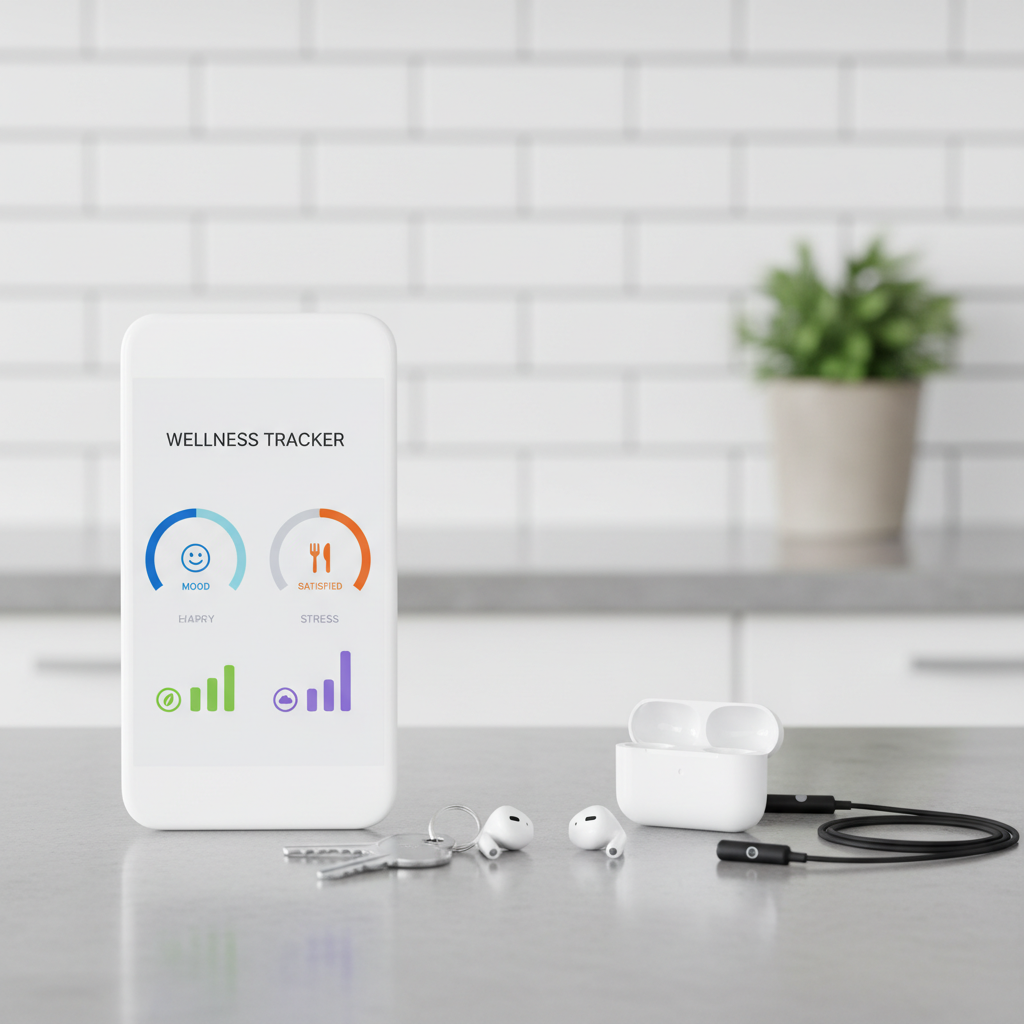
Here's what actually works: track just three things daily - what you ate, rough hunger levels (1-10), and one-word mood check. That's it. No elaborate food diaries or calorie counting.
After two weeks, patterns emerge. Maybe you binge on carbs every Sunday night, or lose appetite when work stress peaks. These become your personal warning signs - actionable data instead of just "feeling off."
Quick Answers
Should I use a mindful eating tracker or just a regular food diary for depression?
From what I've seen, regular food diaries make you obsess over calories and judgment, which is the last thing you need when you're already beating yourself up. A mindful eating tracker focuses on how food makes you feel emotionally and physically, which actually helps you understand the depression-food cycle instead of adding more shame to it.
Mindful eating apps vs paper tracking - which works better when you're depressed?
I'd go with paper when you're in a really dark place because apps can feel overwhelming with all their notifications and features when you can barely function. Plus, there's something therapeutic about physically writing down "I stress-ate chips but noticed I felt anxious first" - it slows you down in a way that rapid phone typing doesn't.
My Honest Take
Here's what I'd do: start with the Mindful Eating Tracker app or even just a simple notes app. Track one meal daily - how you felt before, during, and after eating. Don't overthink it. The magic happens when you notice patterns, not when you're perfect at tracking everything.