
Track Calories for Better Sleep Quality Without Weight Focus
Snacko is the food tracking app that makes healthy eating effortless. Join thousands building better eating habits every day.

Here's something I stumbled onto completely by accident while working with clients who couldn't lose weight but desperately wanted better sleep: tracking their food intake actually improved their sleep quality, even when the scale didn't budge an inch.
I'm not talking about obsessive calorie counting or restriction—I mean gentle awareness of what and when they were eating. Turns out, your body's relationship with food directly impacts how well you rest at night, and once I started paying attention to this connection in my own life, everything clicked.
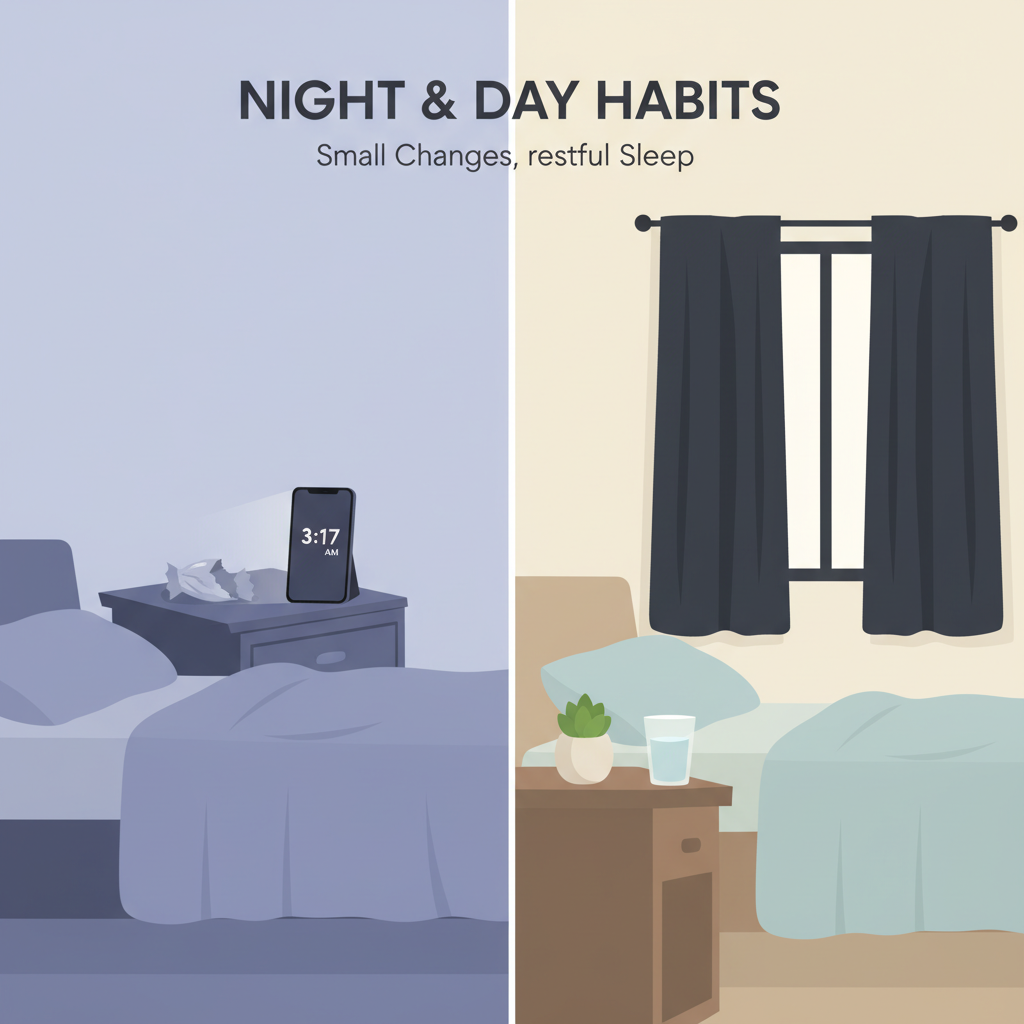
When My 3 AM Sugar Crashes Started Making Sense
Myth: Those middle-of-the-night wake-ups are just stress or getting older.
Reality: I was eating dinner at 6 PM and crashing hard around 3 AM because my blood sugar was tanking. Tracking my evening calories revealed I was barely hitting 400 calories after lunch - no wonder my body was screaming for fuel at ungodly hours.
Myth: Eating more at night will ruin your sleep.
Reality: Strategic evening calories actually saved my sleep. I started aiming for about 30% of my daily intake after 5 PM - think Greek yogurt with berries or a small sandwich. The key was protein and complex carbs, not avoiding food altogether.
Myth: Calorie timing doesn't matter for sleep.
Reality: It absolutely does. When I shifted from front-loading my day to spreading calories more evenly, those 3 AM anxiety spirals disappeared completely.
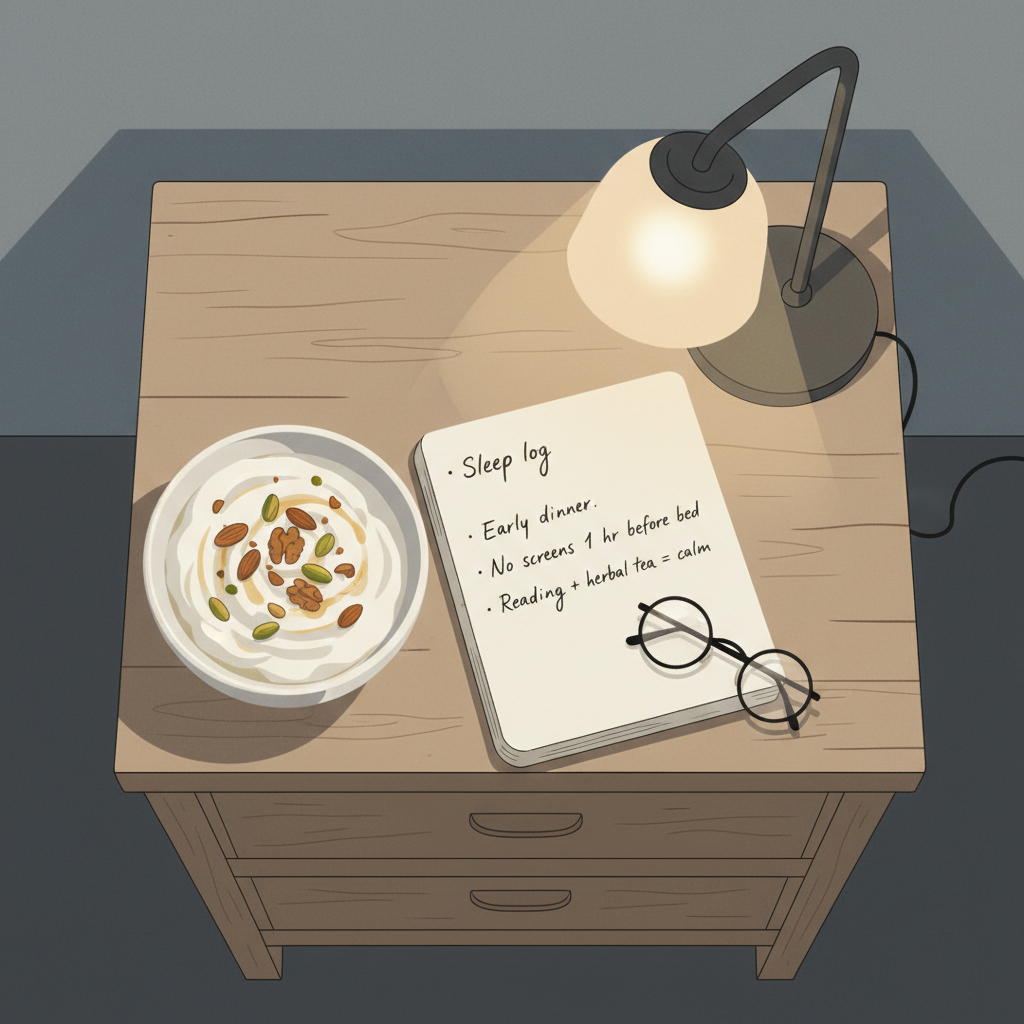
The Protein-Before-Bed Experiment That Changed Everything
I used to crash into bed around 11 PM and wake up at 3 AM absolutely starving. My brain would start racing about work while my stomach growled, and I'd lie there until dawn feeling wired but exhausted.
Then I started tracking my evening protein intake and noticed something: on nights when I had less than 15 grams after 7 PM, I'd wake up hungry. When I hit 20-25 grams – usually Greek yogurt with nuts or a small protein shake – I slept straight through.
The difference was dramatic. My middle-of-the-night hunger disappeared, and with it went those racing thoughts. Turns out my body wasn't just hungry for food; it was hungry for stable blood sugar.
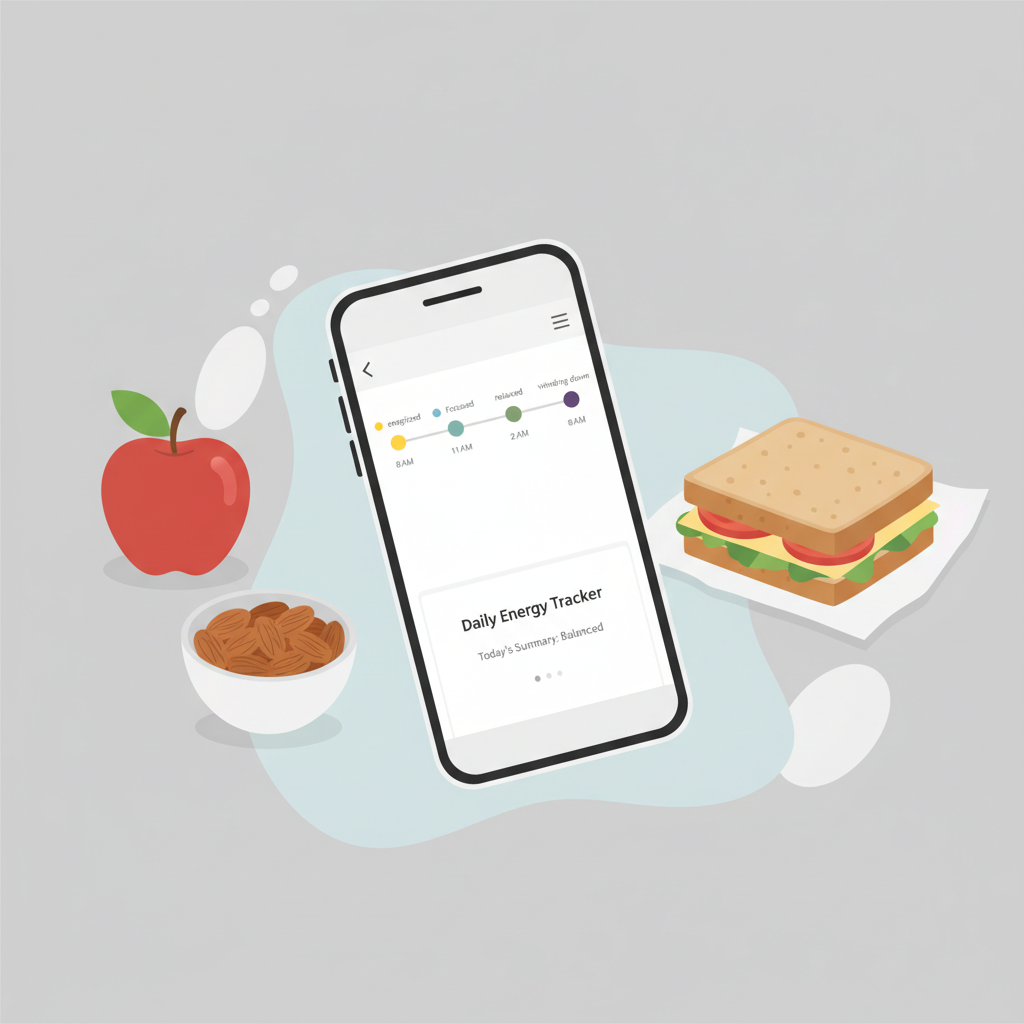
Tracking Energy Dips Instead of Counting Every Calorie
I've found that obsessing over exact calorie numbers creates more stress than helpful data. Instead, I track energy patterns - when I feel alert versus when I crash. If I eat a huge lunch and feel sluggish by 2 PM, that matters more for my sleep than whether it was 800 or 1,200 calories.
I note things like "had heavy dinner, tossed and turned" or "light evening snack, slept great." This approach gives me actionable insights about timing and food types without the mental burden of precise counting. My sleep tracker shows the real results anyway.
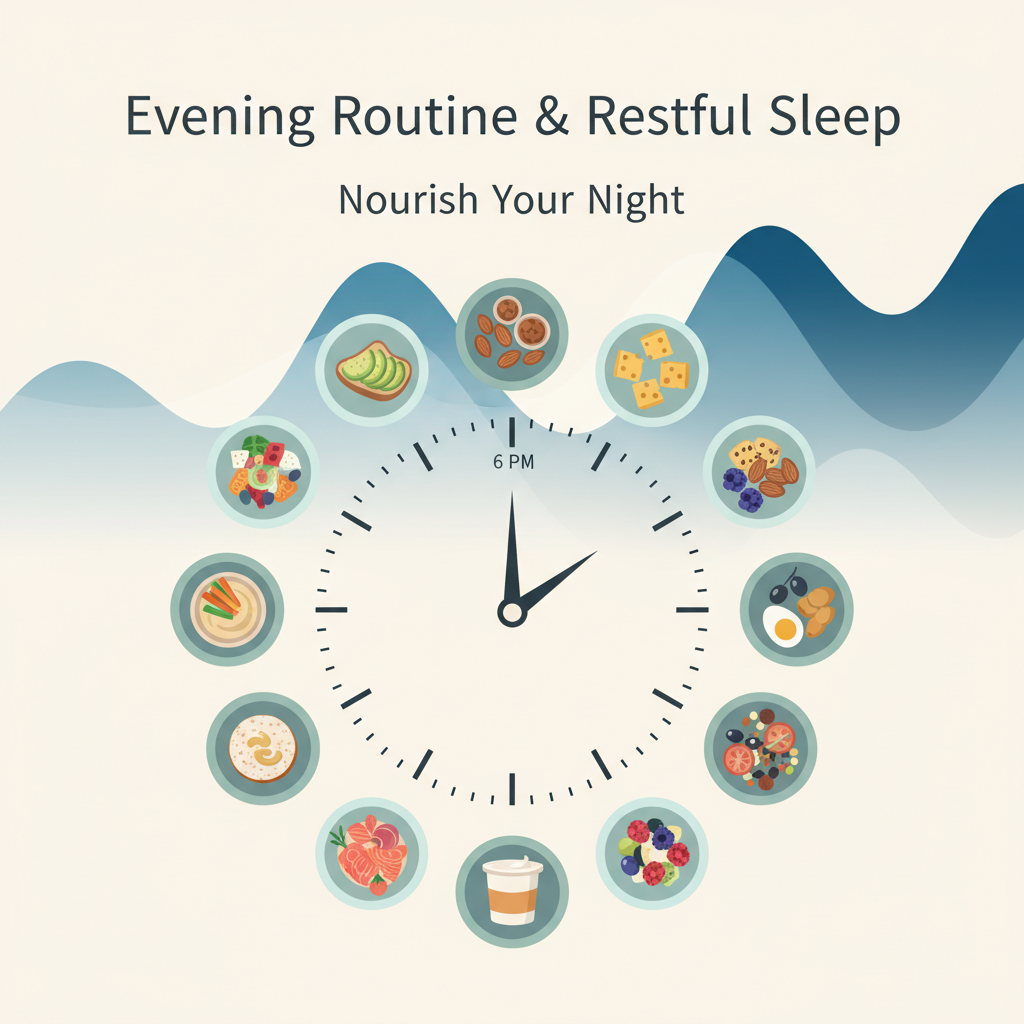
What Nobody Tells You About Meal Timing and Sleep Architecture
I used to think eating late just made me feel heavy before bed. Turns out the real issue is how your digestive system hijacks your sleep cycles. When I started tracking my evening meals, I noticed that eating within three hours of sleep meant I'd wake up around 2 AM feeling restless.
Here's what actually happens: your body temperature needs to drop for deep sleep, but digestion keeps it elevated. I found that logging my dinner timing alongside sleep quality revealed patterns I never would've spotted otherwise. Now I aim for my last substantial meal at least four hours before bed, and honestly, the difference in sleep depth is dramatic.
Common Questions Answered
How do I track calories for sleep without obsessing over weight loss?
I focus on tracking energy patterns rather than restriction - logging when I eat certain foods and how my sleep feels that night. The key is using a simple note-taking approach instead of rigid calorie counting apps, so you're observing the connection between fuel and rest rather than judging "good" or "bad" numbers.
When should I stop eating to improve my sleep quality?
From what I've experienced, stopping solid food about 3 hours before bed works best, but I still allow light snacks like a small banana or handful of nuts if I'm genuinely hungry. I've found that going to bed either too full or too hungry both mess with my sleep, so tracking helps me find that sweet spot where my body feels satisfied but not weighed down.
My Honest Take
Here's what I'd do: start tracking just protein and see how your sleep changes in two weeks. Don't overcomplicate it. If you're ready for the advanced stuff—like timing carbs around workouts—that's a whole other conversation worth having.