
Track Nutrition During Pregnancy With Body Acceptance Focus
Snacko is the food tracking app that makes healthy eating effortless. Join thousands building better eating habits every day.

I used to think tracking nutrition during pregnancy meant obsessing over every calorie and hitting perfect macro targets—basically treating my pregnant body like a science experiment that needed constant optimization. Turns out, I had it completely backwards. The most effective approach I've discovered combines mindful nutrition tracking with genuine body acceptance, which sounds contradictory but actually works better than the perfectionist route I started with.

Shifting From Perfect Plates to Nourishing Moments
I've learned to think about pregnancy nutrition like tending a garden rather than following a recipe. Some days my "garden" gets perfectly balanced meals with colorful vegetables and lean proteins. Other days it gets crackers and ginger ale because that's what stays down.
The mental shift that changed everything for me: asking "Am I nourishing my body today?" instead of "Did I eat perfectly?" This means celebrating when I manage Greek yogurt with berries, and not beating myself up when dinner is toast and peanut butter. Both moments matter.
When Morning Sickness Meets Meal Planning Reality
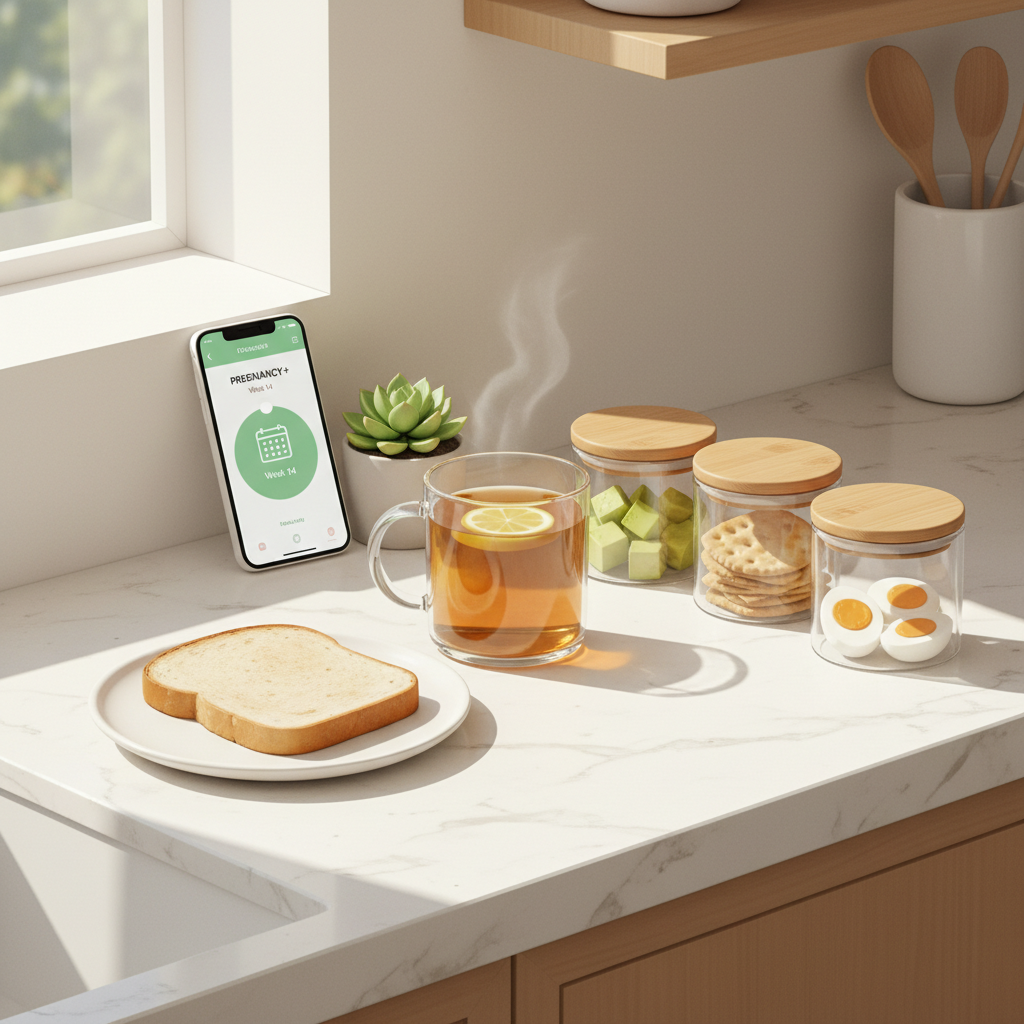
Step 1: Abandon your Pinterest meal prep dreams. I learned this the hard way when my carefully planned quinoa bowls became instant nausea triggers. Instead, I started keeping a running list of foods that stayed down—saltines, ginger tea, whatever random thing worked that day.
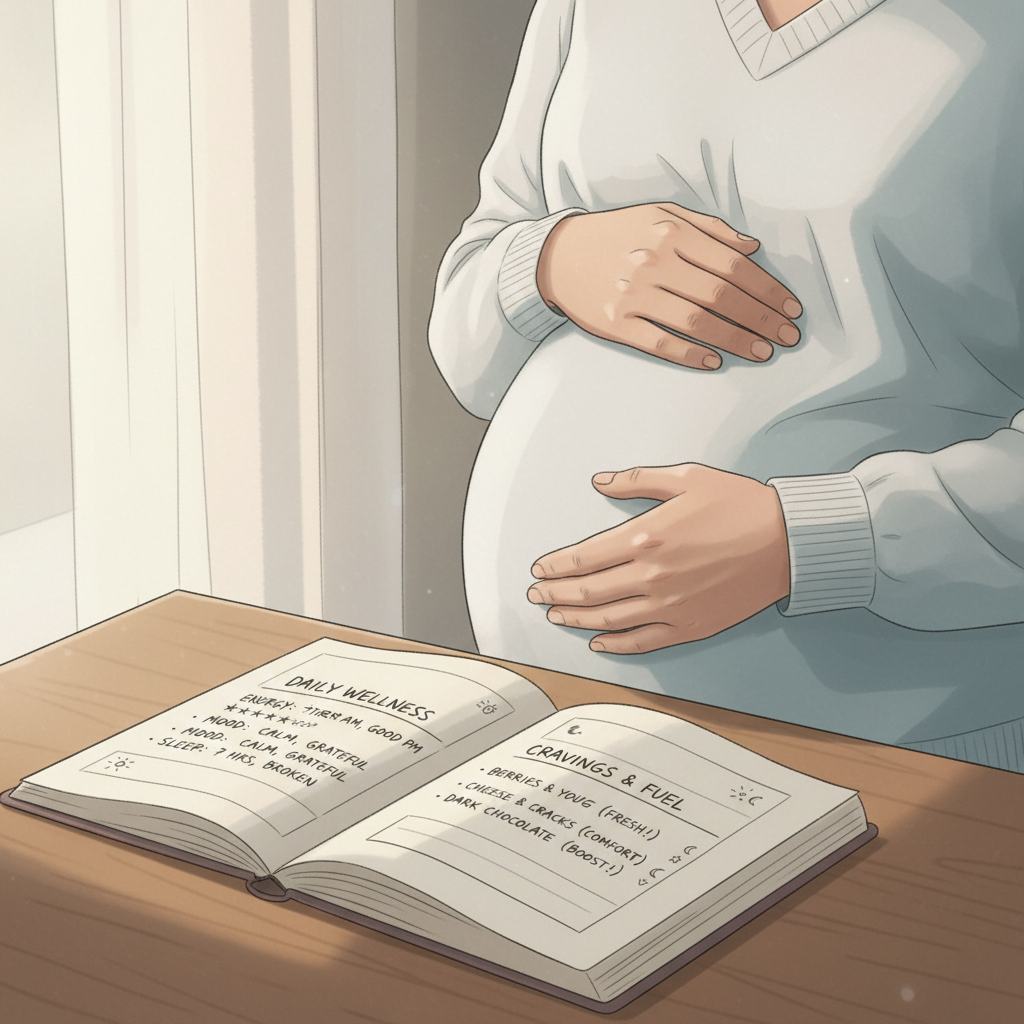
Step 2: Track what you actually eat, not what you planned to eat. Some days my nutrition log looked like "half a banana, three crackers, and ice chips." I wrote it down anyway because those survival days count too.
Step 3: Build flexibility into your tracking system. I used simple notes like "kept breakfast down = win" instead of obsessing over missed nutrients during rough patches.
Reading Your Body's Signals Beyond the Scale Numbers
I learned to ditch the daily weigh-ins around week 20 when the fluctuations were making me crazy. Your body's telling you way more useful stuff anyway.
Energy levels hit different when you're eating right - I could feel the difference between a balanced breakfast and grabbing whatever was closest. Same with sleep quality. When I was getting enough protein and not overdoing the sugar, I'd actually sleep through the night instead of waking up restless.
Your skin changes too. I noticed my complexion looked clearer when I was hydrating properly and eating more whole foods versus processed stuff. And honestly? How your clothes fit around your ribcage and shoulders tells you more about your overall health than any number on a scale ever will.
Building Food Flexibility Around Your Growing Needs
• Stop fighting your changing appetite - I learned to keep backup snacks everywhere because pregnancy hunger hits like a freight train, then disappears just as fast
• Build flexible meal templates - I'd plan "protein + veggie + carb" instead of rigid recipes, so when ground beef suddenly made me nauseous, I could swap in chicken without derailing everything
• Stock your nausea toolkit - Crackers, ginger tea, and whatever random foods actually stayed down became my non-negotiables (even if it was just cereal for dinner some nights)
• Prep for energy crashes - I batch-cooked simple proteins on good days because I knew there'd be weeks when opening a can felt exhausting
• Honor weird cravings mindfully - If I wanted pickles and ice cream, I ate them alongside something with actual nutrients instead of feeling guilty
What People Ask
What if I'm obsessing over every calorie I track during pregnancy instead of focusing on body acceptance?
I've been there - the tracking can become counterproductive if you're micromanaging every bite. When this happens, I'd recommend switching to a weekly overview approach where you just note general patterns (like "got enough protein most days") rather than logging exact numbers, which keeps you aware without feeding the obsession.
What if my healthcare provider wants specific nutrition data but tracking triggers my body image issues?
This is honestly tough, but I've found success with having someone else (partner, friend) do the actual logging for a few days while I just eat normally. You can also ask your provider if they'd accept a food photo journal instead of numerical tracking - many are totally fine with this approach since they mainly want to see variety and overall patterns.
Your First Step Forward
Here's what I'd do: start with just one week of gentle tracking—write down what you ate and how it made you feel, physically and emotionally. No judgment, no scoring. Think of it as collecting data about your unique body during this incredible time, not auditing your choices.