
Calorie Apps for People in Larger Bodies Without Bias
Snacko is the food tracking app that makes healthy eating effortless. Join thousands building better eating habits every day.

I've watched too many friends abandon calorie tracking apps after getting shamed by algorithms that clearly weren't designed for larger bodies. You know the drill—you log your actual intake and get screamed at with red warnings, or the app suggests a 1,200-calorie goal that would leave a toddler hangry.
Here's what I've learned about finding calorie apps that actually work when you're not a size 2: the good ones exist, but you need to know what to look for and how to set them up without the built-in diet culture nonsense.
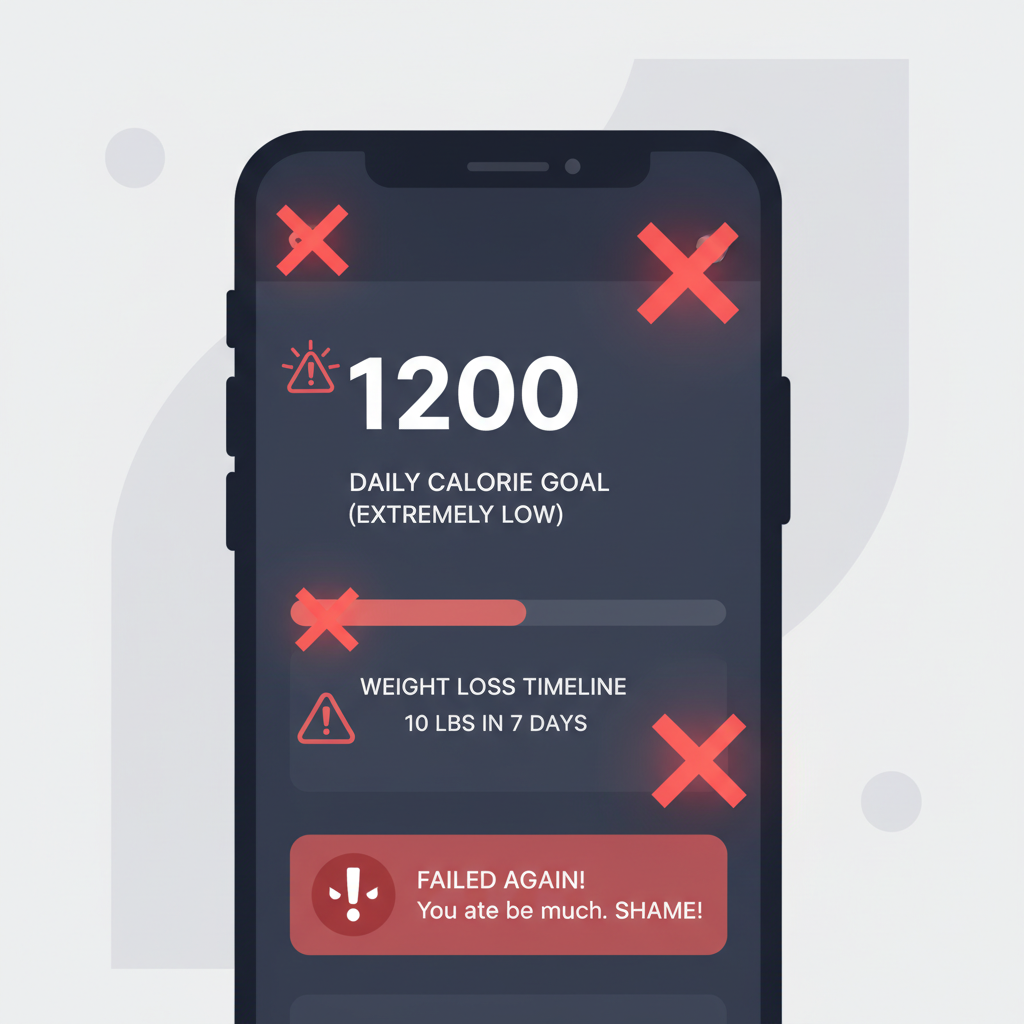
Red Flags That Scream 'This App Wasn't Made for You'
Day 1: The app suggests 1,200 calories for literally everyone, regardless of height, activity level, or starting weight. I've seen this with three different apps now.
Week 1: Every food photo in the app looks like a sad diet meal. No pizza, no cultural foods, just endless grilled chicken and steamed vegetables.
Month 1: The app celebrates "streak days" of staying under calorie goals, turning restriction into a game. When I went over by 50 calories after a family dinner, it sent me a "motivation" message about getting "back on track."
Month 2: I realized the app's barcode scanner couldn't find half the foods I actually eat. Apparently tortillas from the Mexican market don't exist in their database, but seventeen varieties of protein powder do.
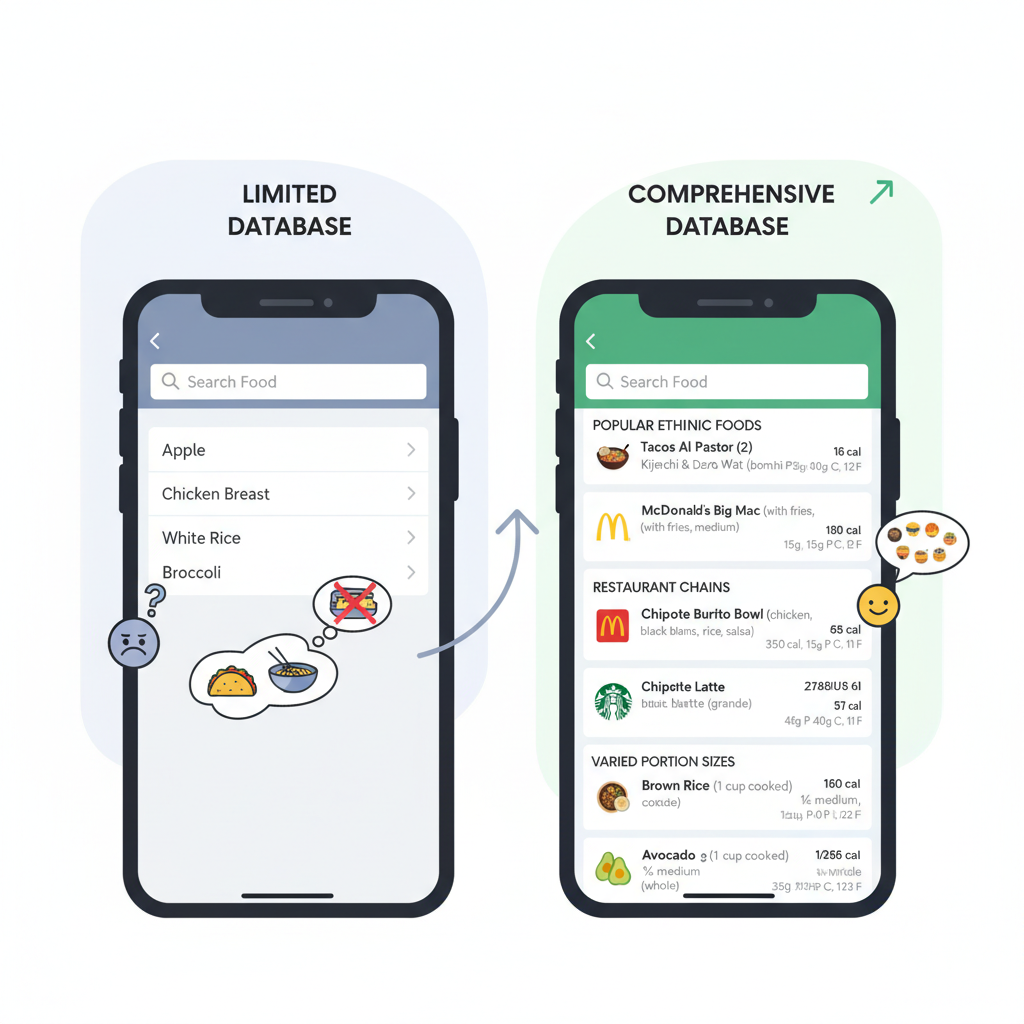
Database Hunting: Finding Apps That Actually Include Your Food
I learned this the hard way after downloading three apps that apparently never heard of plantains or collard greens. Turns out, some apps focus heavily on packaged Western foods and completely ignore cuisines that don't fit their narrow database.
MyFitnessPal has the most comprehensive food database I've found, especially for international and home-cooked foods. Cronometer is solid for whole foods but weaker on restaurant chains. FoodNoms lets you add custom foods easily, which saved me when I couldn't find Caribbean dishes anywhere else.
Before committing to any app, search for five foods you eat regularly. If it can't find your grandmother's rice and beans, keep looking.
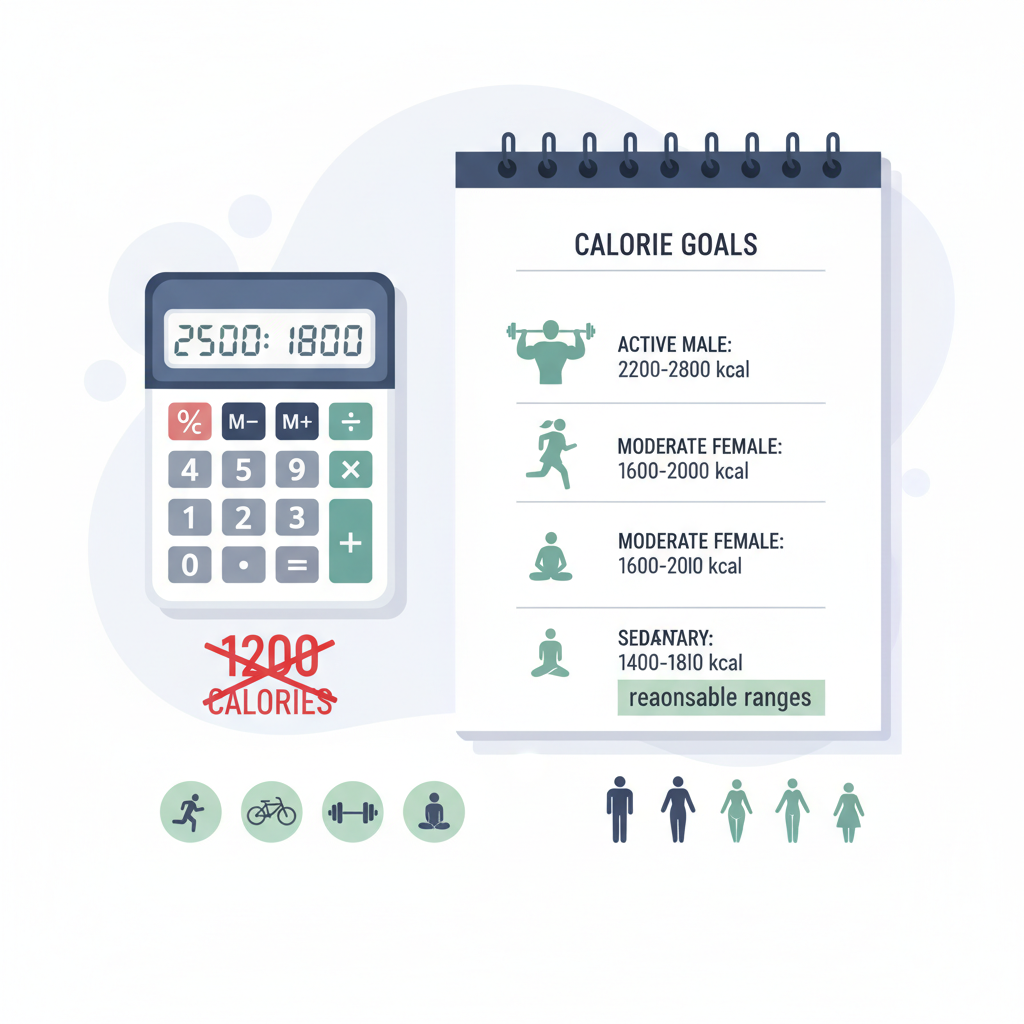
Calorie Goal Mathematics That Don't Assume You're 5'4" and Sedentary
Most calorie apps default to a 1,200-calorie goal that assumes you're a petite, inactive woman. If you're taller than average, weigh more, or actually move your body, this number is nonsense.
I've found apps that use the Mifflin-St Jeor equation give more realistic baselines. It factors in your actual height, weight, age, and sex to calculate your Basal Metabolic Rate (BMR) - the calories you burn just staying alive. Then it multiplies by an activity factor.
Activity Factor is where most apps screw up. "Sedentary" shouldn't include someone who walks their dog twice daily or stands at work. I use "lightly active" as my minimum unless I'm literally bedridden. The difference between sedentary and lightly active can be 300-400 calories daily.
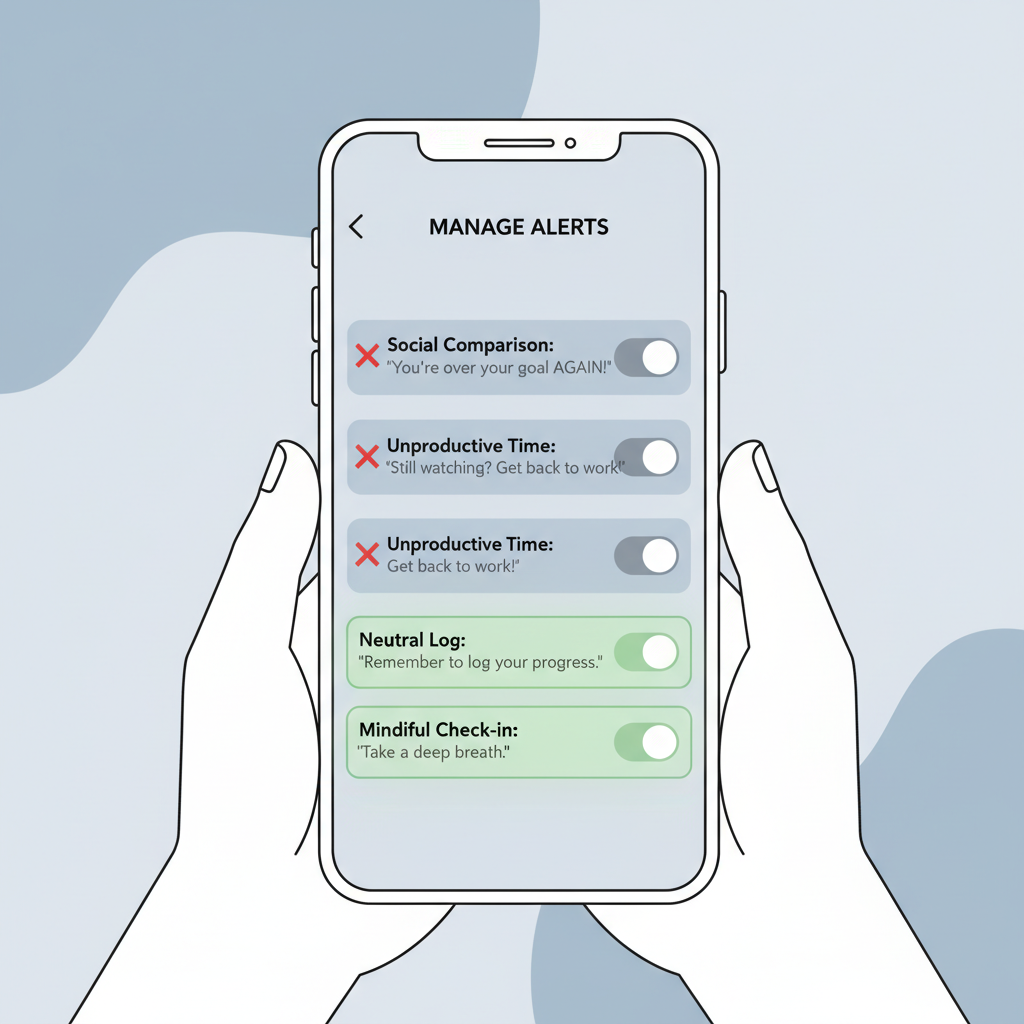
Notification Taming: Silencing the Shame Spiral Before It Starts
The mistake: Leaving all notifications turned on and letting your phone buzz shame at you every few hours.
I learned this the hard way when MyFitnessPal kept pinging me with "You haven't logged dinner yet!" while I was having a perfectly normal evening with friends. Nothing kills your mood like your phone essentially calling you a failure.
What actually works: Turn off the guilt-trip notifications immediately. Keep only the neutral ones you actually want - maybe the daily weight reminder if that helps you, but definitely not the "motivational" messages that assume you're constantly screwing up.
Most apps bury these settings, but hunt them down. Your mental health is worth those extra two minutes of digging through menus.
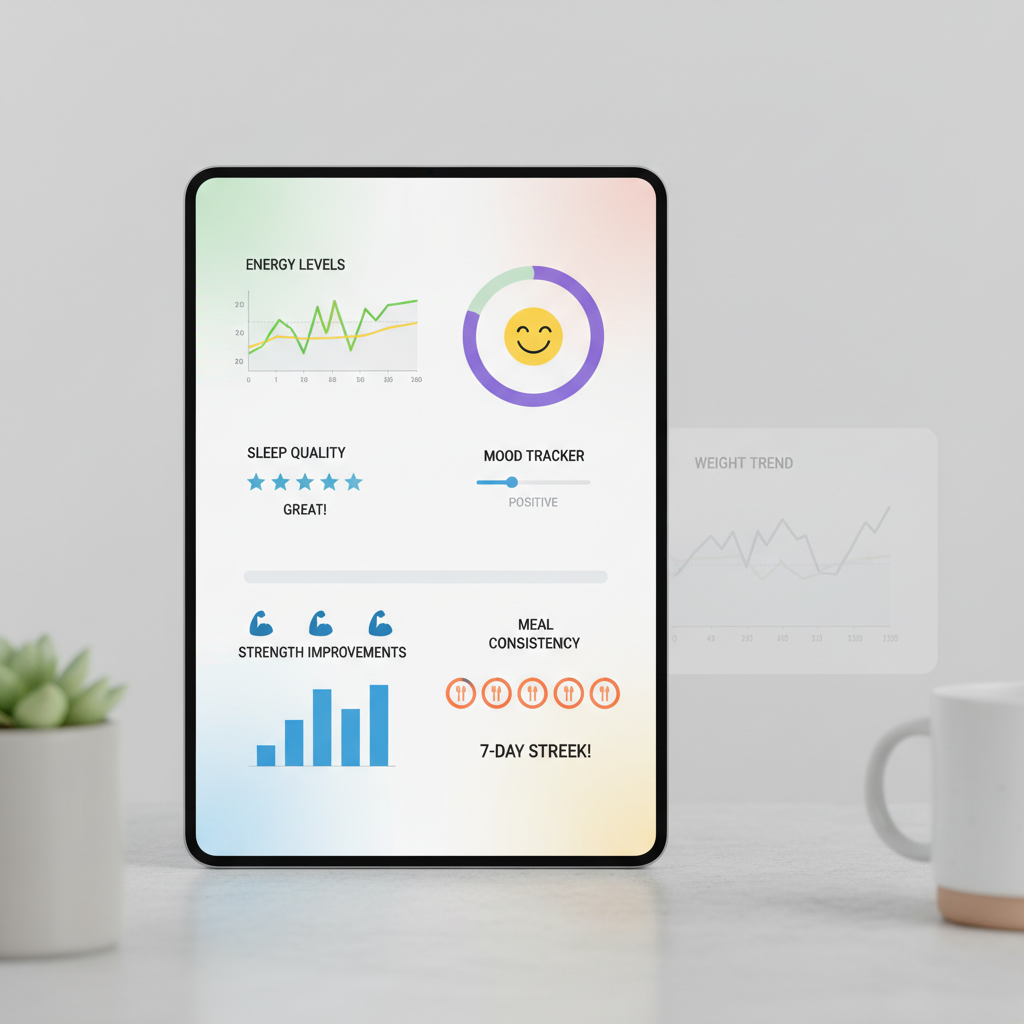
Progress Tracking Beyond the Scale: Metrics That Actually Matter
I learned the hard way that stepping on the scale every morning was making me miserable. The number would jump around based on everything from whether I'd had Chinese food the night before to where I was in my cycle.
What actually helped me see progress? Energy levels throughout the day. How my clothes fit around the waist and shoulders. Whether I could climb two flights of stairs without getting winded. These changes showed up weeks before the scale budged.
I started tracking sleep quality in my app's notes section - turns out eating more consistently improved my sleep, which improved everything else. Some apps let you log measurements beyond weight, like how you feel after meals or your mood. Those patterns became way more useful than any daily weigh-in ever was.
Frequently Asked Questions
Should I use MyFitnessPal or Cronometer if I'm tired of diet culture messaging?
From what I've seen, Cronometer is way less triggering - it focuses on nutrition data without the weight loss cheerleading and "good food/bad food" language that MyFitnessPal loves to throw around. I'd go with Cronometer if you want to track nutrients without feeling like the app is constantly pushing you to restrict.
Is Lose It or Noom better for someone who doesn't want weight loss as the main focus?
Honestly, neither is great if you're trying to avoid weight-centric messaging, but Lose It is less awful than Noom. Noom is basically diet culture wrapped in psychology speak, while Lose It at least lets you track without as much behavioral manipulation - though both still assume weight loss is your goal.
Can I use Apple Health or Google Fit to track food without the diet mentality of other apps?
Apple Health and Google Fit are actually solid choices because they're more neutral platforms that just store data without judgment. I've found they don't push weight loss narratives or celebrate restriction the way dedicated calorie apps do - you can track what you want without the app trying to coach you into eating less.
Your Next Move
Here's what I'd do: pick one app from this list and try it for exactly one week. Don't overthink it—just notice how it makes you feel when you use it. Does it judge you or support you? That gut check will tell you everything you need to know about whether it's worth keeping around.