
Calorie Tracking for People With Chronic Illness Without Shame
Snacko is the food tracking app that makes healthy eating effortless. Join thousands building better eating habits every day.

I've watched the fitness tracking world slowly wake up to something important: not everyone's body works the same way. While most calorie counting advice assumes you're dealing with a "standard" metabolism and energy levels, those of us managing chronic illness know that's complete bullshit. Your flare days don't care about your macro goals, and that's okay. I've learned that tracking calories with a chronic condition isn't about perfection or punishment—it's about understanding your body's patterns without the guilt spiral that usually comes with it.
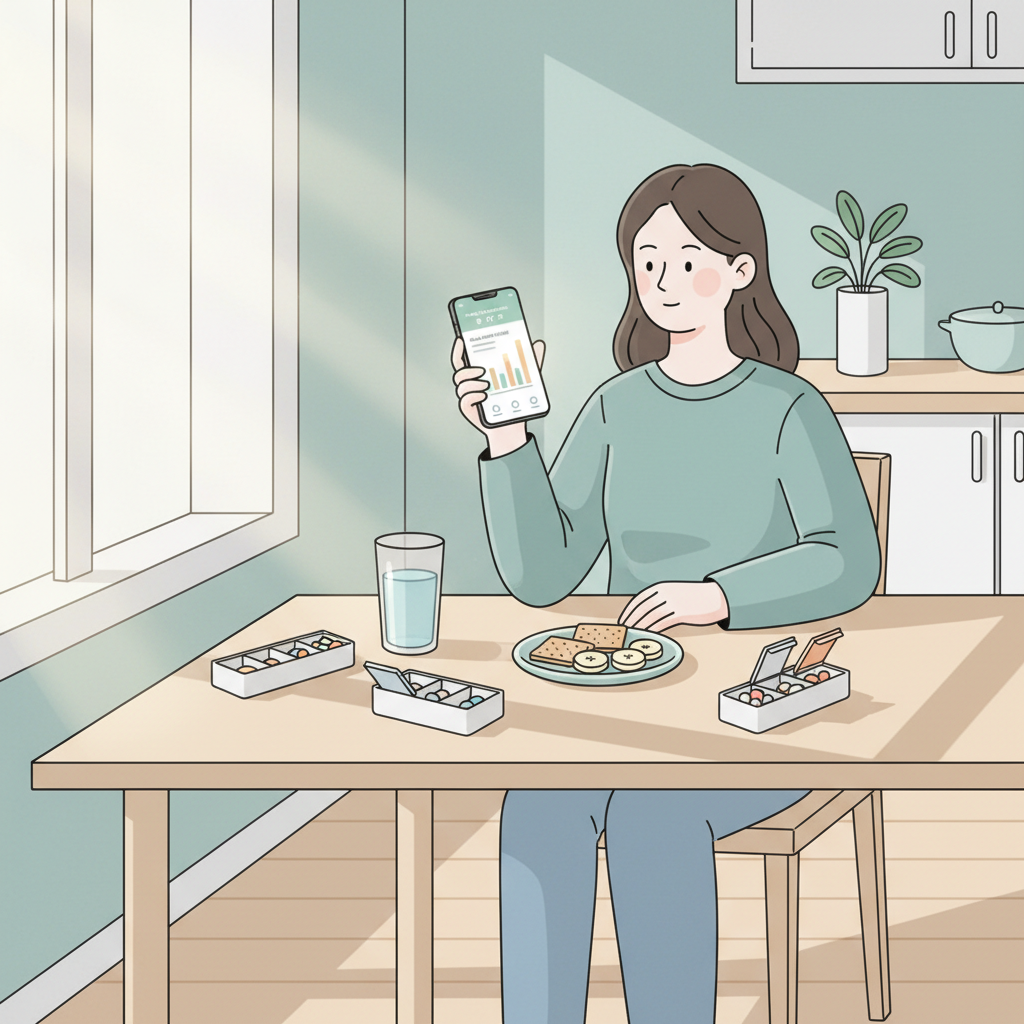
When Your Body Speaks in Symptoms Instead of Simple Hunger Cues
Step 1: Learn your body's alternate hunger signals. I've discovered my fibro fog gets worse when I'm actually hungry, not tired. My friend with Crohn's realizes her joint pain spikes before her stomach even growls. Start tracking symptoms alongside food timing for two weeks - you'll spot patterns that aren't obvious day-to-day.
Step 2: Set eating reminders based on your condition, not hunger. When chronic pain drowns out hunger cues or medications kill your appetite, I rely on phone alarms every 3-4 hours. It feels mechanical at first, but it's better than the blood sugar crash that makes everything worse.
Step 3: Count symptoms as data, not failures. That afternoon headache might mean you need more protein at lunch, not that you're broken.
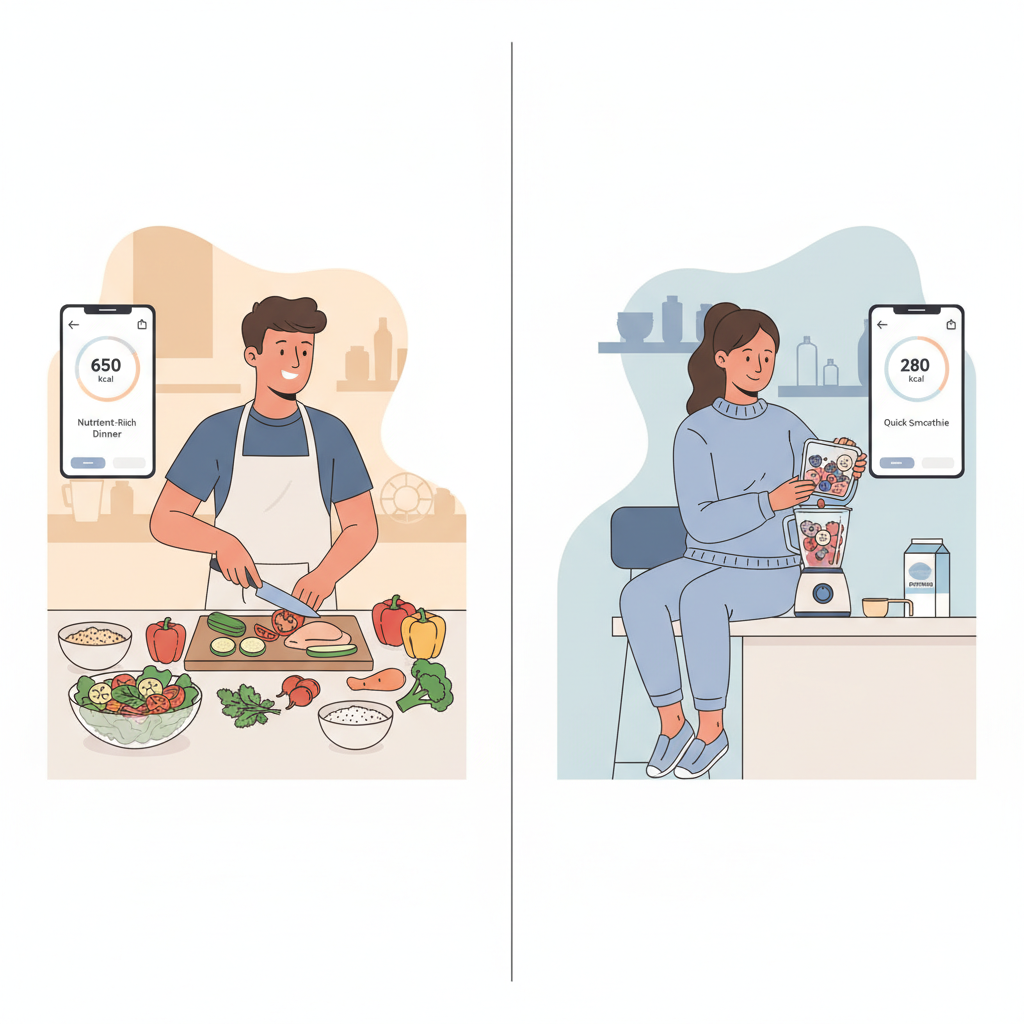
Building Your Personal 'Good Day vs. Flare Day' Tracking System
I've learned that the most useful tracking happens when you know what your different days actually look like. On good days, I can meal prep and hit my protein targets easily. On flare days, I'm proud if I manage crackers and soup without crying.
I started rating my days from 1-10 based on energy, pain, and digestive symptoms. A 7+ day means I can cook real meals. A 4 or below? That's when I need my emergency list of easy calories ready.
What really helped was writing down specific scenarios: "Tuesday - migraine, ate half a sandwich and some yogurt, called it good." No judgment, just data about what different days require from me.
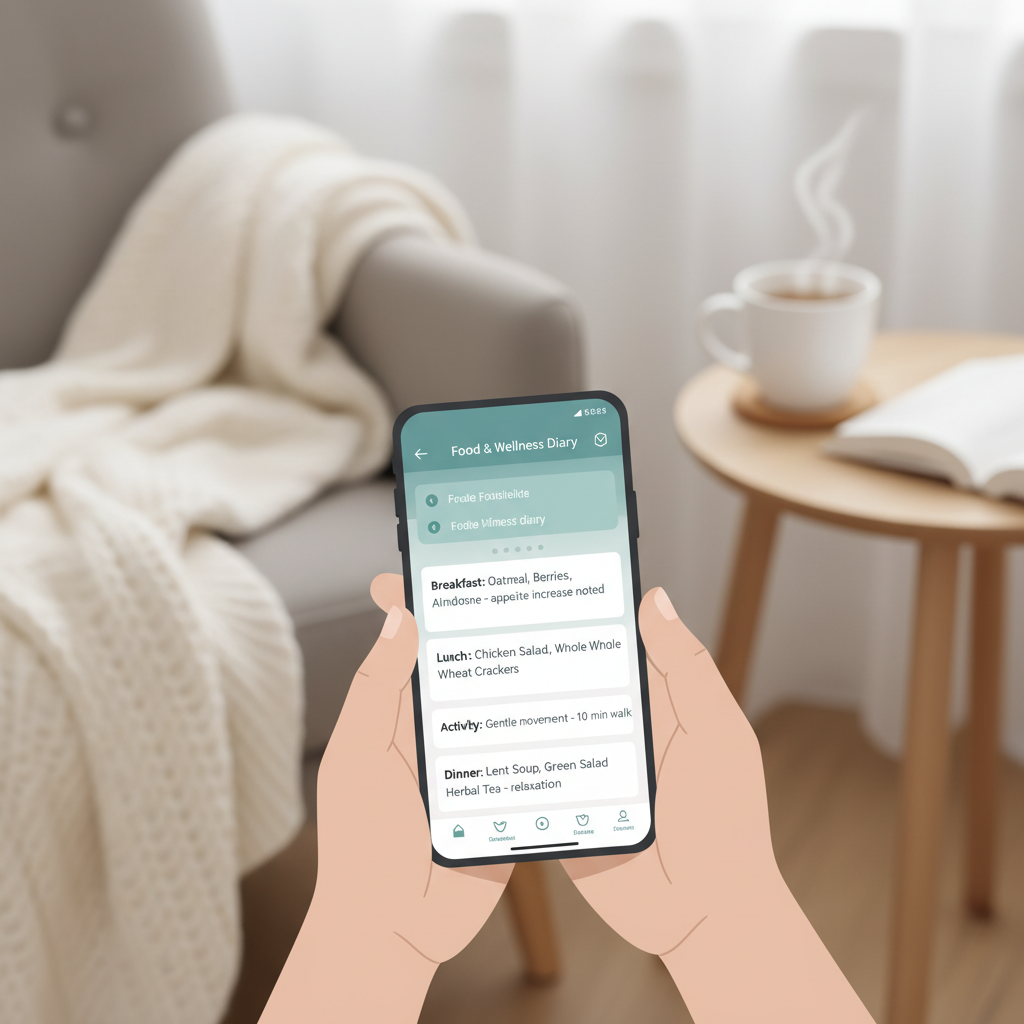
How I Learned to Count Medications as Self-Care, Not Failure
I used to hide my medications when tracking food, like they didn't count toward my daily "health score." That changed when I realized my iron supplement was adding 200 calories I couldn't figure out.
Start treating meds like food:
- Log prescription liquids, dissolvable tablets, anything with calories
- Count those chalky calcium chews (they're basically candy)
- Include protein powders your doctor recommended
My system now:
- Create a "Medical Nutrition" category in whatever app you use
- Log meds at the same time each day so you don't forget
- Note which ones need food vs. empty stomach
The weirdest part? Seeing my medications listed made me feel proud instead of ashamed. These aren't failures—they're tools keeping me functional enough to care about nutrition in the first place.
Frequently Asked Questions
What if calorie tracking apps make me feel guilty about eating "bad" foods when I'm having a flare-up?
I'd switch to a neutral app like Cronometer that doesn't have the green/red judgment system, and honestly, I've started logging comfort foods as "medication" in my head - because when you're in pain, sometimes ice cream IS medical care. The goal isn't perfection, it's just data collection so you can spot patterns between your symptoms and energy intake.
What if I'm too exhausted or brain-fogged to log my food consistently?
From what I've seen work best, take photos of everything you eat instead of logging in real-time - then when you have a decent day, batch-enter a few days at once. I also keep pre-logged "template days" saved for my most common low-energy meals (like cereal for dinner, again) so I can just copy and adjust instead of starting from scratch.
Here's My Honest Take
Look, I'm not saying calorie tracking will fix everything or work for everyone with chronic illness. But when you strip away the shame and diet culture BS, it can actually become a tool for understanding your body better. My take? Start messy, stay curious, and remember that data without judgment is just information.


