
Food Logger for Migraine Triggers Without Diet Mentality
Snacko is the food tracking app that makes healthy eating effortless. Join thousands building better eating habits every day.

Here's the thing nobody talks about when it comes to migraine food triggers: the tracking itself can become its own source of stress. I've watched too many people turn a simple food log into an obsessive spiral of restriction and guilt. But here's what I've learned - you can absolutely track your potential triggers without falling into diet culture's toxic trap of labeling foods as "good" or "bad."
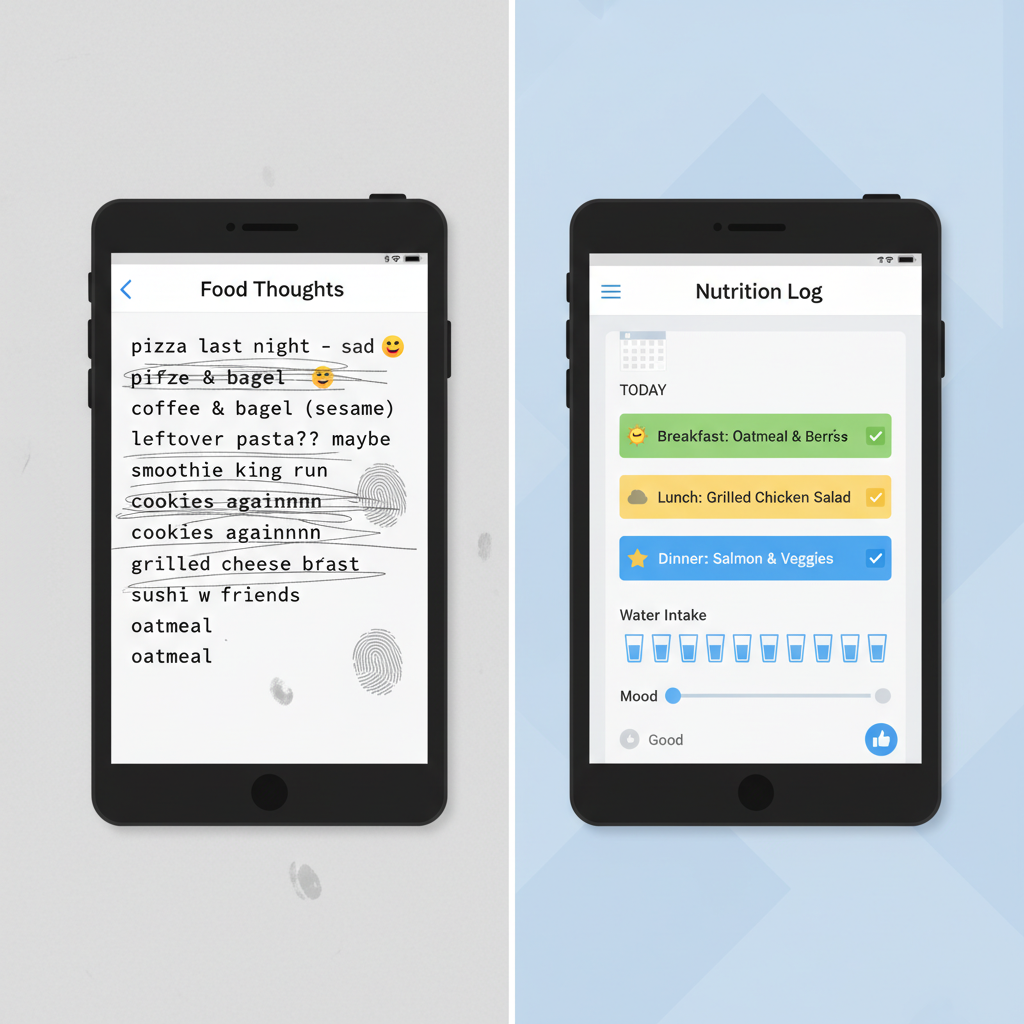
Your Phone Notes App Isn't Cutting It: Setting Up a Migraine-Friendly Tracking System
Look, I tried tracking migraines in my phone's notes app for months. What a disaster. When you're dealing with light sensitivity and brain fog, scrolling through random text entries from three weeks ago is torture.
I switched to a simple spreadsheet with columns for date, time, what I ate, and migraine severity. Nothing fancy – just consistent formatting I could actually read during an attack. The key was making it stupidly simple to use when my head felt like it was splitting open.
Your tracking system needs to work when you're at your worst, not just when you're feeling motivated and organized.
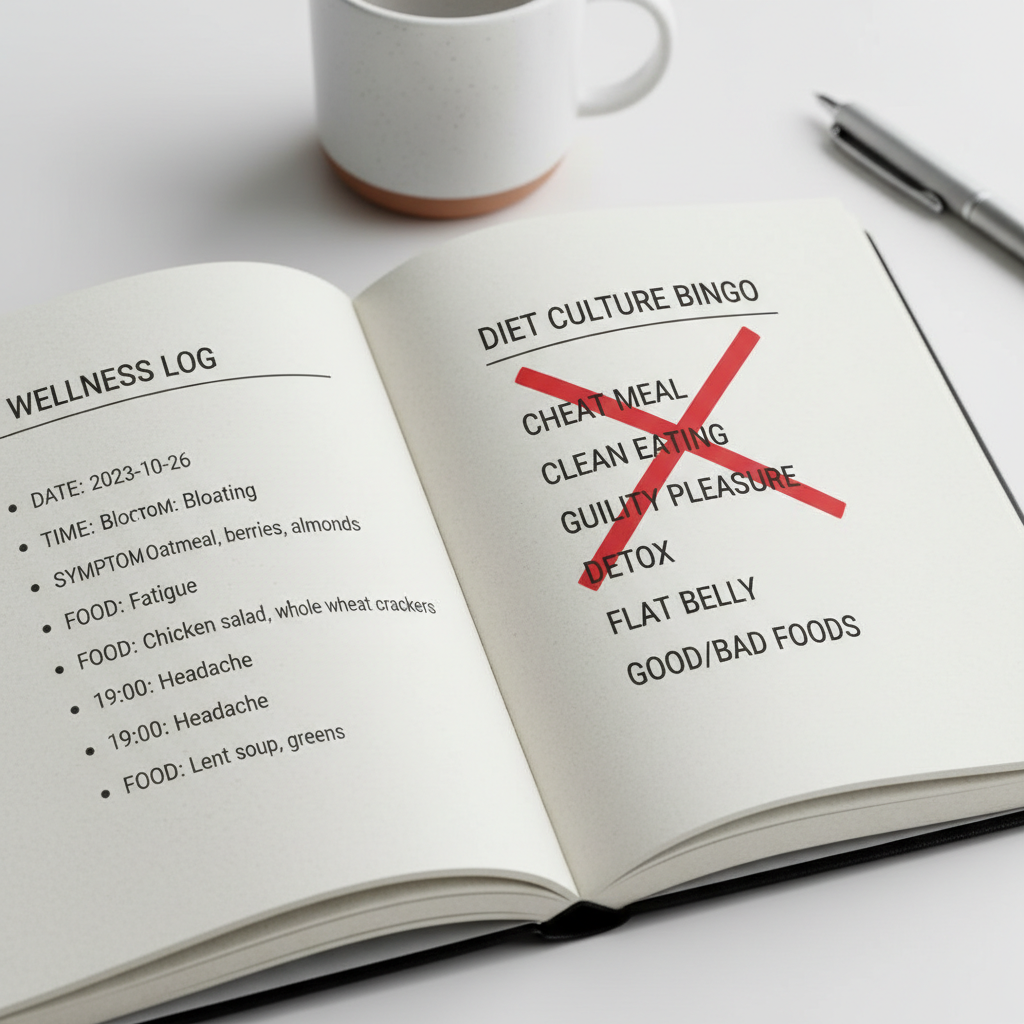
Beyond 'Good' and 'Bad' Foods: Tracking Symptoms Without Triggering Food Anxiety
I've watched too many people turn migraine tracking into a punishment game. They'll write "BAD - had chocolate" next to a headache entry, then spiral into restricting everything they enjoyed.
Priority 1: Neutral language always
- "Had coffee at 2pm" not "Cheated with afternoon caffeine"
- "Migraine started 4 hours later" not "Coffee triggered another attack"
Priority 2: Track timing and context Instead of obsessing over the food itself, I focus on when, how much, and what else was happening. Was I stressed? Dehydrated? On my period?
The goal is data collection, not creating a list of forbidden foods that'll make you miserable at every meal.
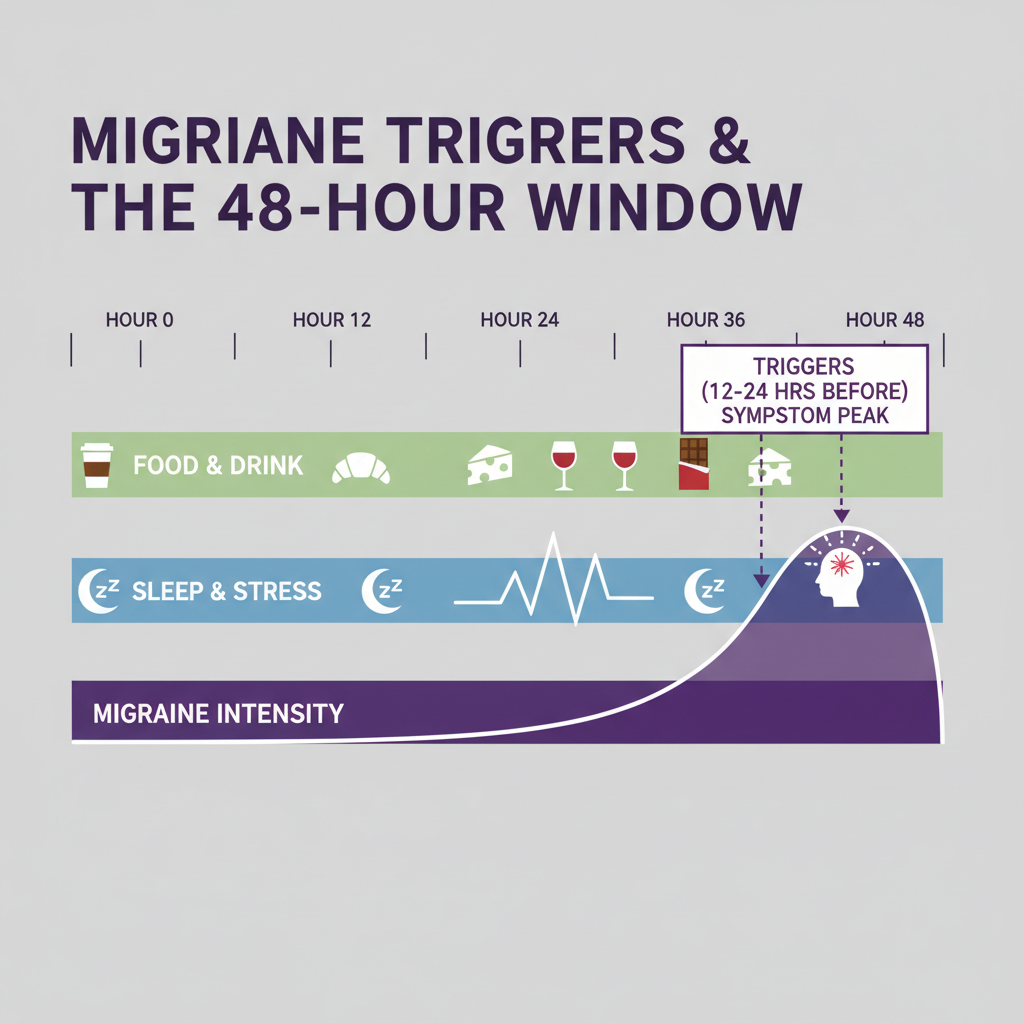
Timing Is Everything: Mapping the 48-Hour Migraine Window That Doctors Miss
My neurologist kept asking what I ate "right before" my migraines hit. Wrong question entirely.
The situation: I was tracking food like a detective, writing down every meal the day of a migraine. Getting nowhere fast.
What I changed: Started logging everything 48 hours before each attack. Not just food – sleep, stress, weather, even when I skipped lunch or ate late.
The breakthrough: My real trigger wasn't chocolate or wine. It was the combination of sleeping in on weekends, then having coffee three hours later than usual, followed by a big restaurant meal the next evening. The migraine didn't show up until Monday afternoon.
Now I track the full 48-hour window before any headache. Found patterns my doctor never mentioned: delayed food reactions, cumulative stress, and timing combinations that create perfect storms.
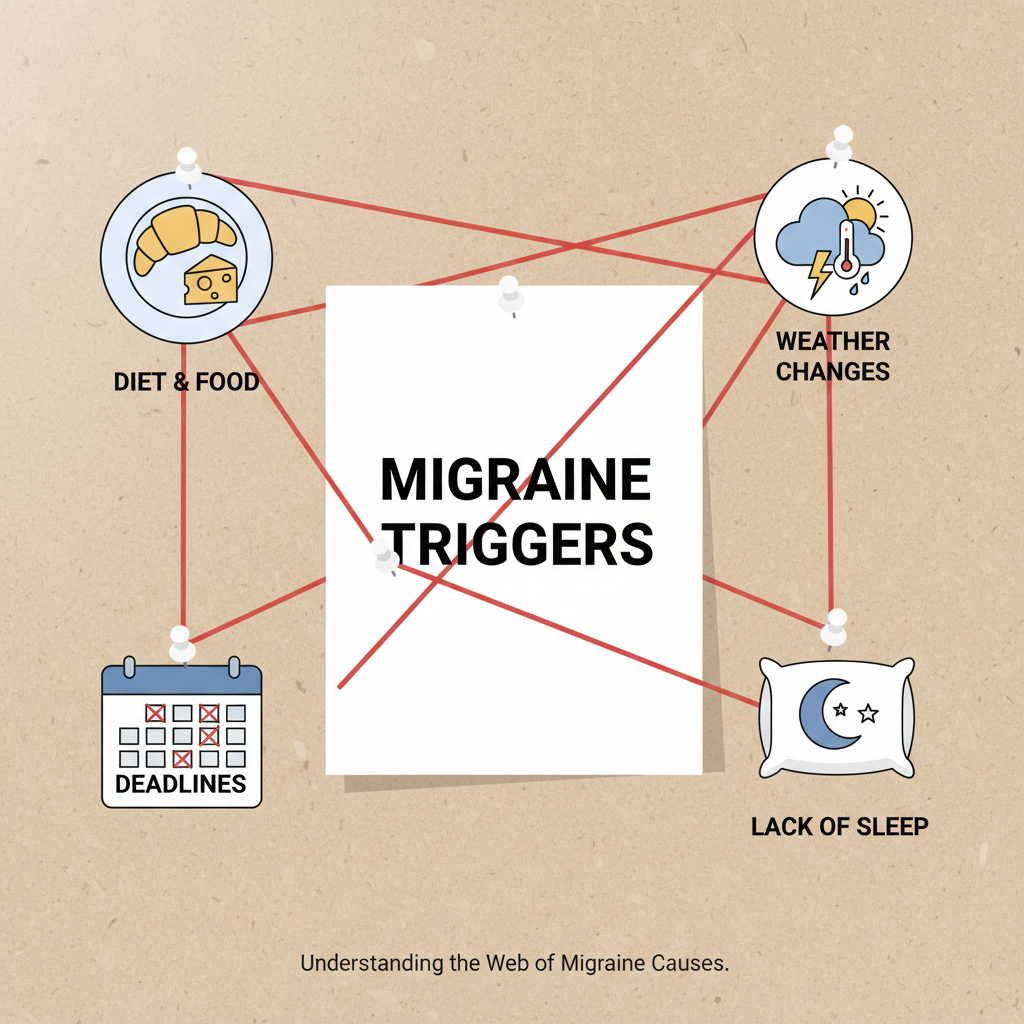
Stress, Sleep, and Spaghetti: Separating Real Food Triggers from Life Triggers
I've watched people blame pasta for migraines that were actually caused by pulling three all-nighters in a row. The spaghetti was just unlucky timing.
Your food log needs context columns for sleep, stress levels, and hormones. I track these on a 1-5 scale because anything more complicated gets ignored. When I see a migraine pattern, I look at everything that happened in the 48 hours before.
Most "food triggers" disappear when you're well-rested and not stressed. That glass of red wine that wrecks you on Tuesday after a brutal work deadline? Probably fine on Saturday when you're relaxed.
The real insight comes from comparing identical meals under different life circumstances. I've learned my actual food triggers are much shorter than I thought – and stress amplifies everything.
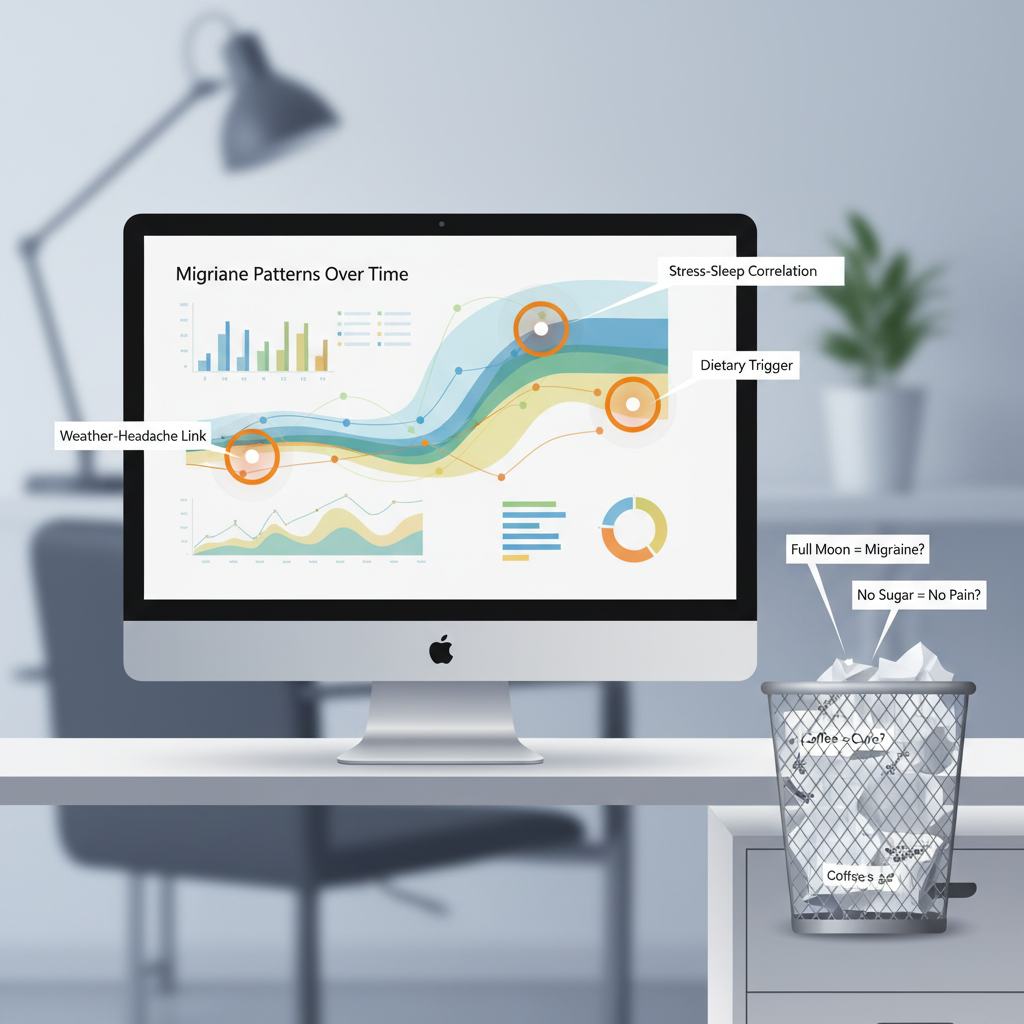
Pattern Recognition Without Paranoia: What Three Months of Data Actually Reveals
After tracking for three months, I've learned that real patterns emerge slowly, not dramatically. The obvious suspects—chocolate, red wine—weren't my triggers at all. Instead, I found that eating lunch after 2 PM consistently preceded migraines by 8-12 hours.
What surprised me most? My triggers weren't specific foods but timing and combinations. Skipping breakfast plus having citrus later in the day was a reliable recipe for disaster.
The key insight: I needed at least 6-8 weeks of consistent logging before any meaningful patterns showed up. Those first few weeks were just noise. Now I can predict about 70% of my migraines and actually prevent them.
Frequently Asked Questions
How do I track food triggers without obsessing over every bite I take?
I set a phone reminder to jot down just the main foods and my migraine level once at the end of each day - nothing fancy, just "had pizza and coffee, headache was a 6." The key is tracking patterns over weeks, not perfecting every single entry, because the goal is finding your triggers without turning food into the enemy.
What if I can't tell if a food actually triggered my migraine or if it was just stress/hormones/weather?
From what I've seen, most people get caught up trying to isolate one perfect trigger, but migraines are usually a combo of things - I look for foods that show up repeatedly on my bad days rather than expecting a clear cause-and-effect. If I notice I get migraines within 24 hours of eating chocolate three times in a month, that's worth paying attention to even if stress was also high those days.
My Honest Take
Look, I'd start simple - just track foods and symptoms without judging yourself. The goal isn't perfect data or eliminating everything "bad." It's finding your actual patterns so you can make informed choices about your own body. Sometimes knowing is enough, even if you decide that trigger food is totally worth it.
Does this approach make sense for your situation?


