
Nutrition Tracking for Autoimmune Conditions Without Weight Focus
Snacko is the food tracking app that makes healthy eating effortless. Join thousands building better eating habits every day.

"My doctor told me to track everything I eat, but the scale became my worst enemy," my friend Sarah told me over coffee last month, scrolling through yet another food app that kept congratulating her on staying under some arbitrary calorie limit.
I've been there too – trying to figure out which foods trigger my flares while fighting an app that thinks weight loss is the only goal that matters. Turns out, there's a completely different way to approach nutrition tracking when you're managing autoimmune stuff.
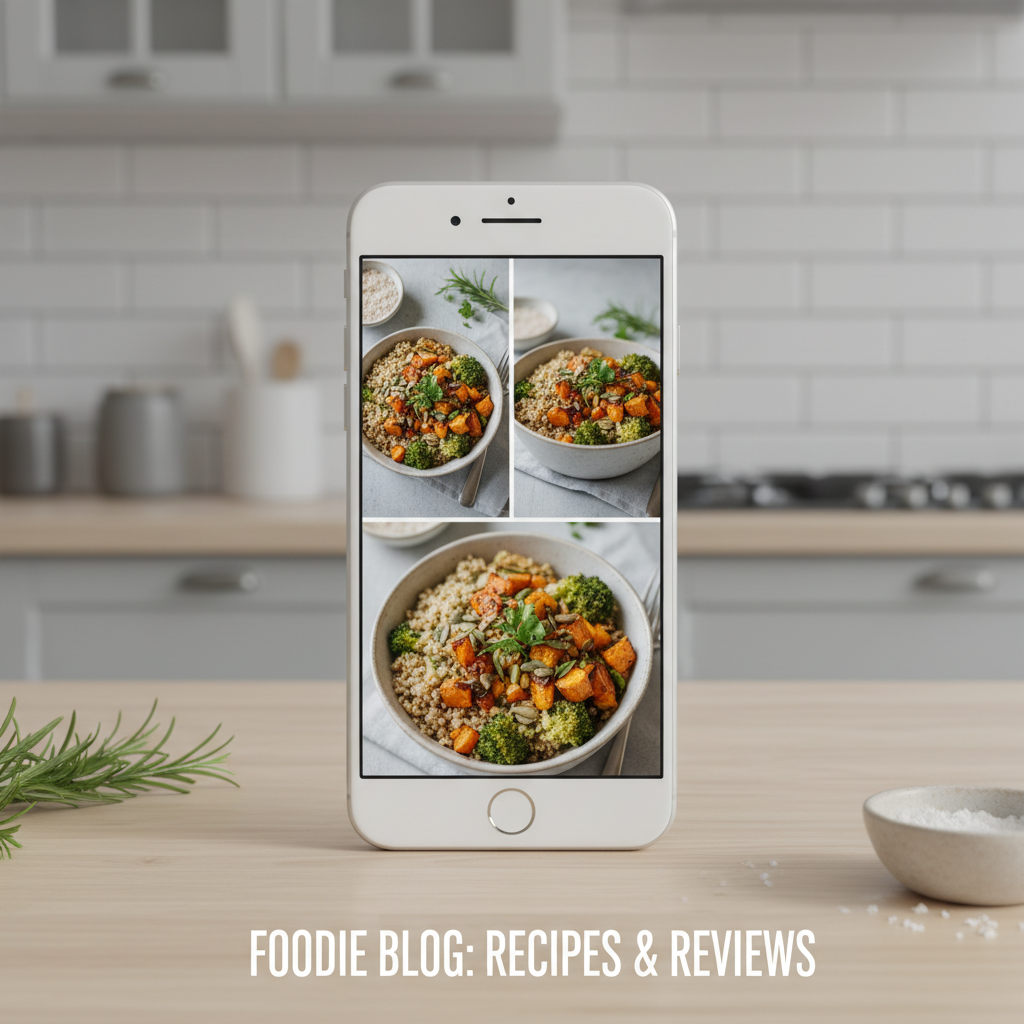
The Three-Photo Method That Finally Made Symptom Patterns Click
After years of elaborate food journals that I'd abandon within weeks, I stumbled onto something ridiculously simple that actually stuck. Three photos: one of my plate before eating, one quick shot of ingredients or packaging, and one "how I feel" selfie two hours later.
That last photo was the game-changer. I'd rate my energy, joint pain, and brain fog on my fingers (1-5) while taking it. No writing, no apps, just visual data I could scroll through later.
Within a month, I spotted my gluten pattern clear as day - those tired, puffy-faced photos always followed wheat-heavy meals. Sometimes the most effective tracking methods are the ones that don't feel like tracking at all.
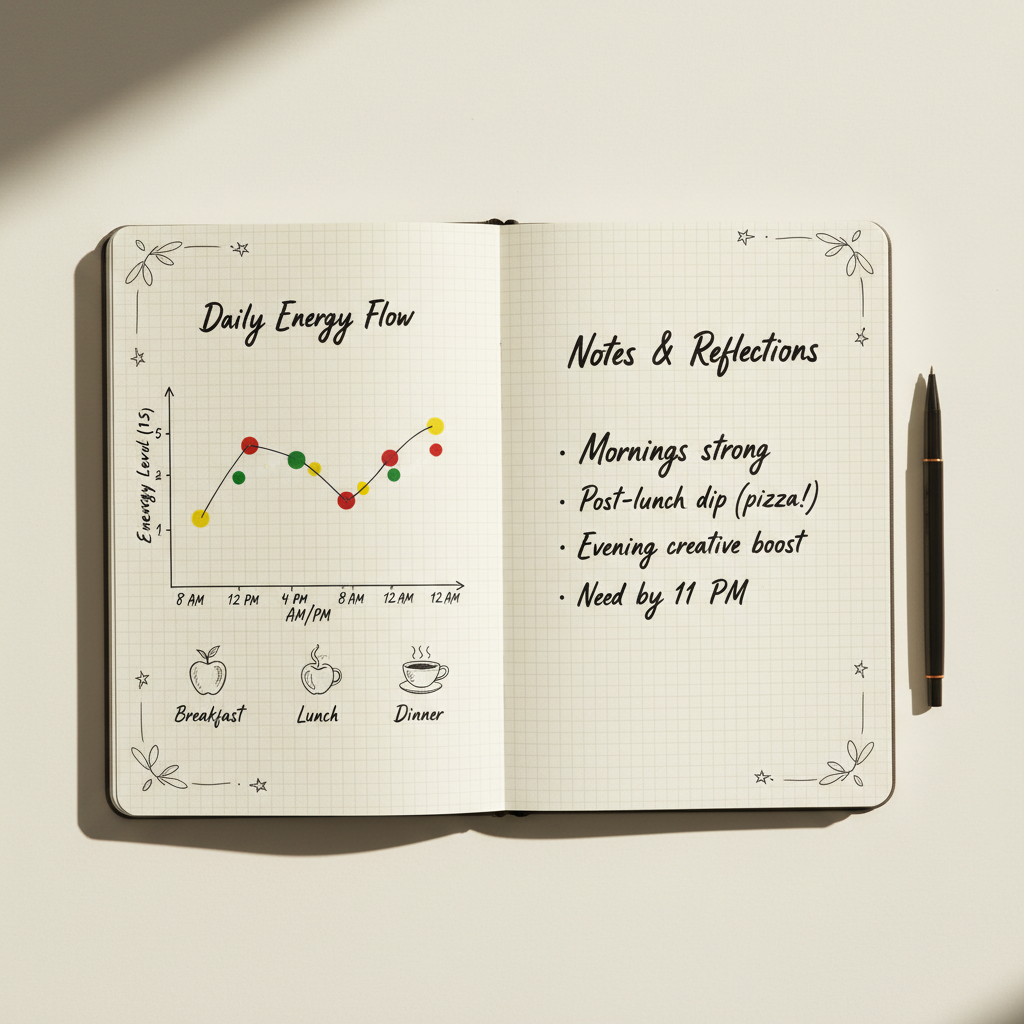
Energy Mapping: When Good Days and Bad Days Start Making Sense
Before: I'd wake up some mornings feeling like I got hit by a truck, other days surprisingly decent. Made zero sense. I blamed sleep, stress, weather - basically everything except what I was eating.
After: Three months of tracking energy alongside meals, patterns jumped out like neon signs. Those brutal afternoon crashes? Always two hours after eating anything with corn. The weird brain fog on Wednesdays? Traced back to Sunday's "harmless" glass of wine.
I rate my energy 1-10 at breakfast, lunch, and dinner. Takes thirty seconds. What shocked me most was how delayed some reactions were - feeling great Monday after eating trigger foods Sunday, then crashing hard Tuesday morning.
Now I can actually predict my bad days and plan around them. Game changer.
Building Your Personal Trigger Library Without the Food Police Drama
I've learned the hard way that keeping a trigger library isn't about creating a "bad foods" list—it's about collecting actual data on what affects your body. When I eat gluten, my joints ache for three days. When I have too much sugar, my brain fog gets thick enough to cut with a knife.
The key is tracking patterns without judgment. Instead of "I was bad and ate pizza," I write "pizza Tuesday, joint pain Thursday-Saturday." Same information, zero shame spiral.
Start simple: note what you ate and any symptoms within 72 hours. Look for repeating patterns over weeks, not individual meals. Your trigger library becomes a tool for feeling better, not a punishment system.
Frequently Asked Questions
How do I track my symptoms alongside my food if I'm not good with apps or tech?
I keep it dead simple - just a small notebook where I write the date, what I ate, and how I felt that day using a 1-5 scale for energy, pain, and digestion. After dealing with brain fog for years, I learned that complicated tracking systems just don't stick when you're already managing a chronic condition.
What should I actually be looking for in my food tracking that might help my autoimmune symptoms?
Focus on patterns around your worst symptom days rather than trying to track everything perfectly. I look for things like whether I feel worse after eating out (hello, hidden inflammatory oils), if certain food combinations trigger flares, or if skipping meals makes my fatigue crash harder the next day.
Is it worth tracking my food if I'm already on a strict elimination diet for my autoimmune condition?
Absolutely - I actually think it's more important during elimination phases because you're looking for subtle improvements, not just obvious reactions. When I was doing AIP, tracking helped me notice that my joint stiffness improved before my digestive issues did, which kept me motivated during those tough first few weeks.
What I'd Tell My Past Self
Here's my honest take: tracking food for autoimmune stuff doesn't have to be another way to punish yourself. I'd focus on finding your trigger foods first, then maybe patterns with symptoms.
Skip the calorie counting completely – your body's already dealing with enough without that extra stress.


