
Connect With Intuitive Eaters Who Still Track Food Data
Snacko is the food tracking app that makes healthy eating effortless. Join thousands building better eating habits every day.

I used to think that tracking food meant you were automatically stuck in diet culture hell—that anyone logging meals was just a calorie-counter in disguise. Then I started meeting people who'd found this weird middle ground that honestly confused me at first. They were tracking their food, but not for weight loss. They weren't obsessing over numbers or restricting anything. Instead, they were using data to actually support their intuitive eating journey. It felt like a contradiction that shouldn't work, but somehow it does.
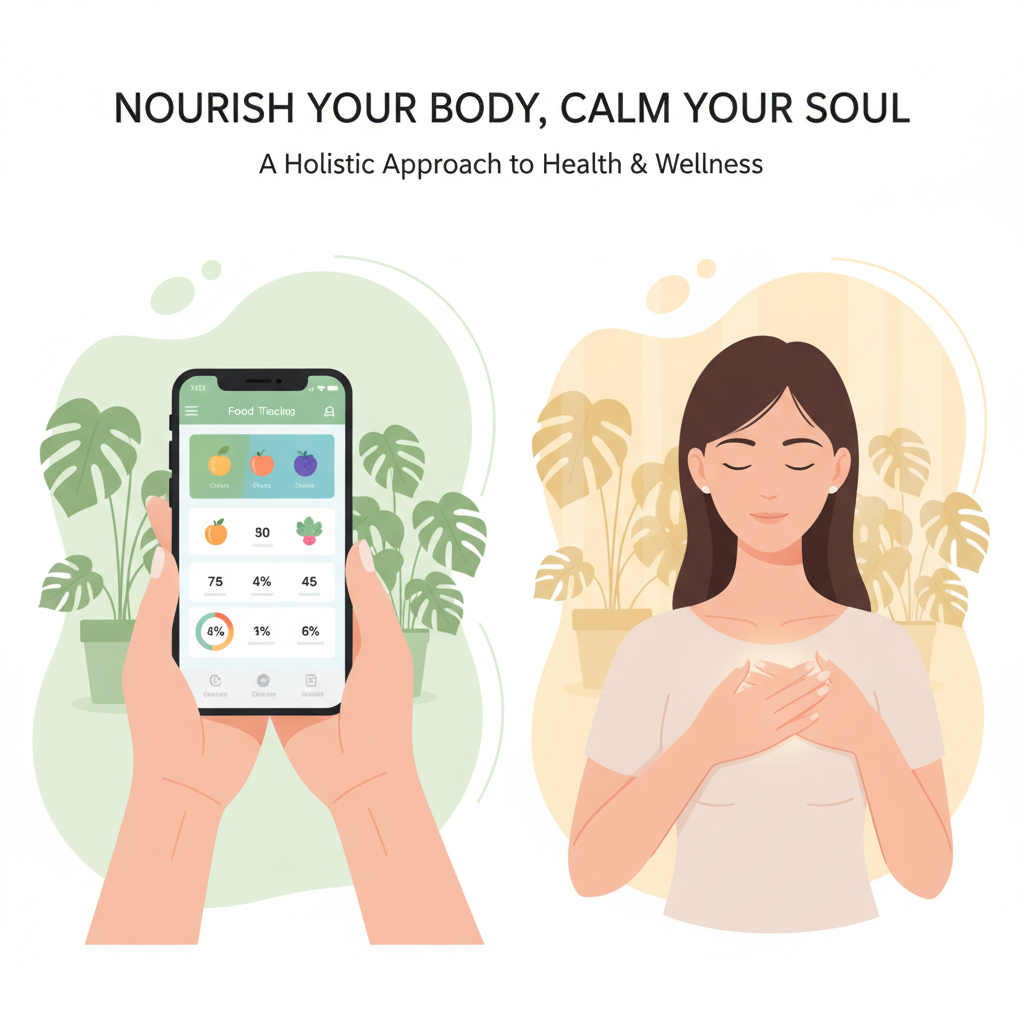
Yes, You Can Love Your Body AND Love Your Data (Here's Why That's Not Contradictory)
I used to think tracking meant I didn't trust my body. Total bullshit. Here's what I've learned: loving your body means giving it what it needs, and sometimes data helps you figure that out.
When I track my iron intake, I'm not obsessing—I'm being kind to my chronically low levels. When I log that I feel amazing after eating more protein, I'm listening to my body AND remembering the pattern for next time.
The difference? I track to support my intuition, not replace it. My hunger cues matter more than hitting macros perfectly.

Finding Your People in the 'Weird Middle Space' Between Diet Culture and Complete Food Freedom
I spent months feeling like a fraud in intuitive eating spaces. I'd mention tracking my protein intake and watch people's faces change—suddenly I was "still stuck in diet culture." But in traditional fitness communities, my anti-diet stance made me the weird one who "wasn't serious about results."
The breakthrough came when I found other people navigating this middle ground. We track data for genuine health reasons—managing diabetes, supporting athletic performance, or understanding our bodies better—without the shame spiral. These conversations happen in smaller corners of Reddit, specific Facebook groups, and with healthcare providers who actually get it.
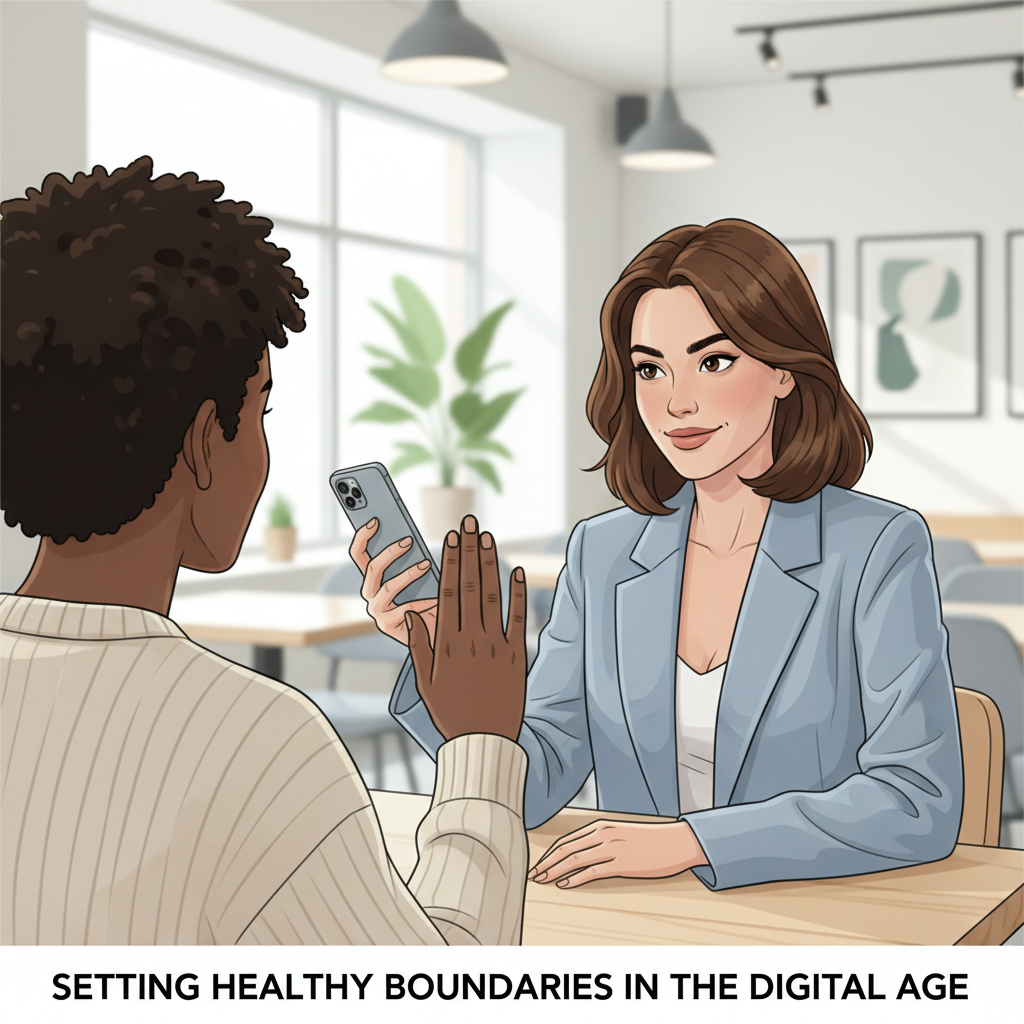
What to Say When Someone Questions Your Choice to Track (Spoiler: You Don't Owe Anyone an Explanation)
I've gotten everything from concerned looks to straight-up lectures about tracking. Here's what I've learned works:
The brief redirect: "It helps me understand my body better" then change the subject. Most people drop it.
The honest boundary: "I appreciate your concern, but this is working for me right now." Don't elaborate unless you want a debate.
The deflection: "Everyone's journey looks different" with a smile. Sounds diplomatic, shuts down the conversation.
What doesn't work? Long explanations about intuitive eating principles or defending your mental health. People who question your choices rarely want education—they want validation for their opinions. Save your energy.

Building Your Support Squad: Online Communities That Actually Get It
I've found four types of online spaces that actually understand the whole "intuitive eating + data tracking" thing without making you feel like a walking contradiction.
The Data-Positive IE Groups: Look for Facebook communities that explicitly welcome tracking. I'm in one called "Intuitive Eating + Health Data" where people share screenshots of their food logs alongside body attunement wins. No shame, just curiosity.
HAES-Aligned Fitness Communities: Reddit's r/HAESfitness gets it. They celebrate people who track workouts for performance while eating intuitively. Less "burn it off" energy, more "fuel it up."
Recovery-Forward Spaces: Groups for people with eating disorder histories who use gentle tracking. These folks understand nuance better than anyone.
Professional Networks: Registered dietitians who practice IE often have private groups where this approach isn't controversial—it's just another tool.
What People Ask
What if I track food data but other intuitive eaters judge me for it?
I've found that the intuitive eating community can be surprisingly divided on this - some people will give you side-eye for tracking anything. Look for groups that specifically welcome "data-informed intuitive eating" or create your own boundaries by being upfront about your approach from the start.
What if tracking food data is triggering my old diet mentality even though I want to eat intuitively?
From what I've seen, this happens when people jump back into tracking too soon after diet recovery. I'd recommend taking a complete break from any numbers for at least 6 months, then slowly reintroducing data collection with a clear purpose that's not weight-focused - like managing a health condition or athletic performance.
What if I can't find anyone who does both intuitive eating and food tracking without it being diet culture?
You're probably looking in the wrong places - try searching for people managing diabetes, PCOS, or athletic performance who also practice intuitive eating. The chronic illness and sports nutrition communities tend to be more practical about combining data with body awareness, unlike the purist IE spaces that can be pretty black-and-white about tracking.
My Honest Take on Making This Work
Here's what I'd do: find one person who gets both sides—the data tracking AND the intuitive eating. Check in weekly, not daily. Share your struggles, not just your wins. The accountability shouldn't feel like judgment, just someone who actually understands the weird balance.


