
Nutrition Apps That Celebrate All Foods Instead of Restricting
Snacko is the food tracking app that makes healthy eating effortless. Join thousands building better eating habits every day.

When did tracking what I eat become more stressful than actually eating it? I've watched too many friends obsess over red numbers and "bad food" warnings from apps that seem designed to make you feel guilty about enjoying a slice of pizza. There's a whole different world of nutrition apps out there though—ones that actually celebrate food instead of shaming you for your choices.
Red Flags in App Store Screenshots That Signal Diet Culture Disguised as Wellness
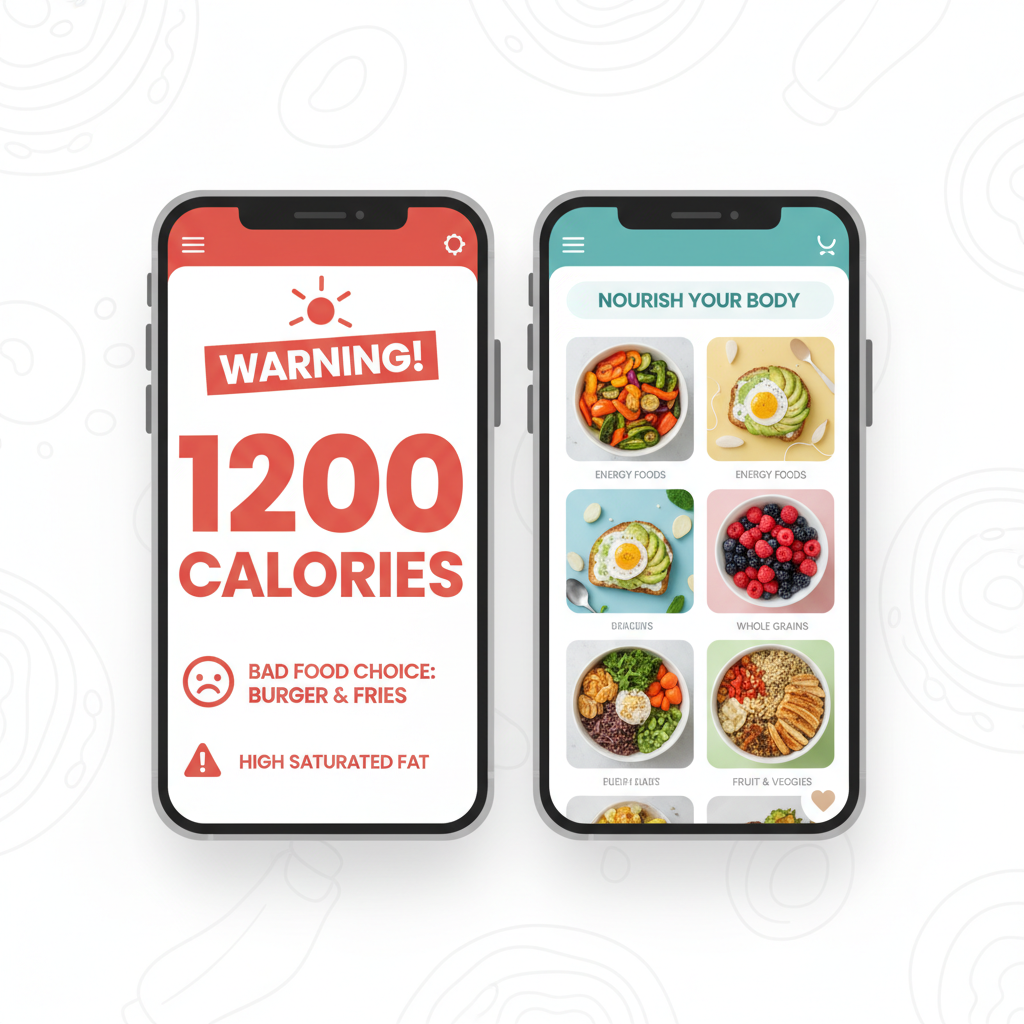
I've gotten pretty good at spotting the warning signs before I even download an app. If the screenshots show dramatic before/after body photos, I immediately swipe away – that's not about health, it's about selling shame. Same with apps that prominently display calorie counts in giant red numbers or have screenshots of "good" vs "bad" food lists.
Watch out for language like "bikini body ready" or "guilt-free eating" in their promotional images. I've learned that truly supportive apps show diverse bodies, focus on how food makes you feel rather than what it does to your appearance, and use neutral language about all foods.
The apps worth downloading show screenshots of actual meal planning, ingredient lists, or cooking tips – not weight loss promises or moral judgments about pizza.
Real User Reviews Decoded: What 'Food Freedom' Actually Looks Like in Practice
I've dug through hundreds of reviews to see what people actually experience with these apps, and the stories are pretty telling.
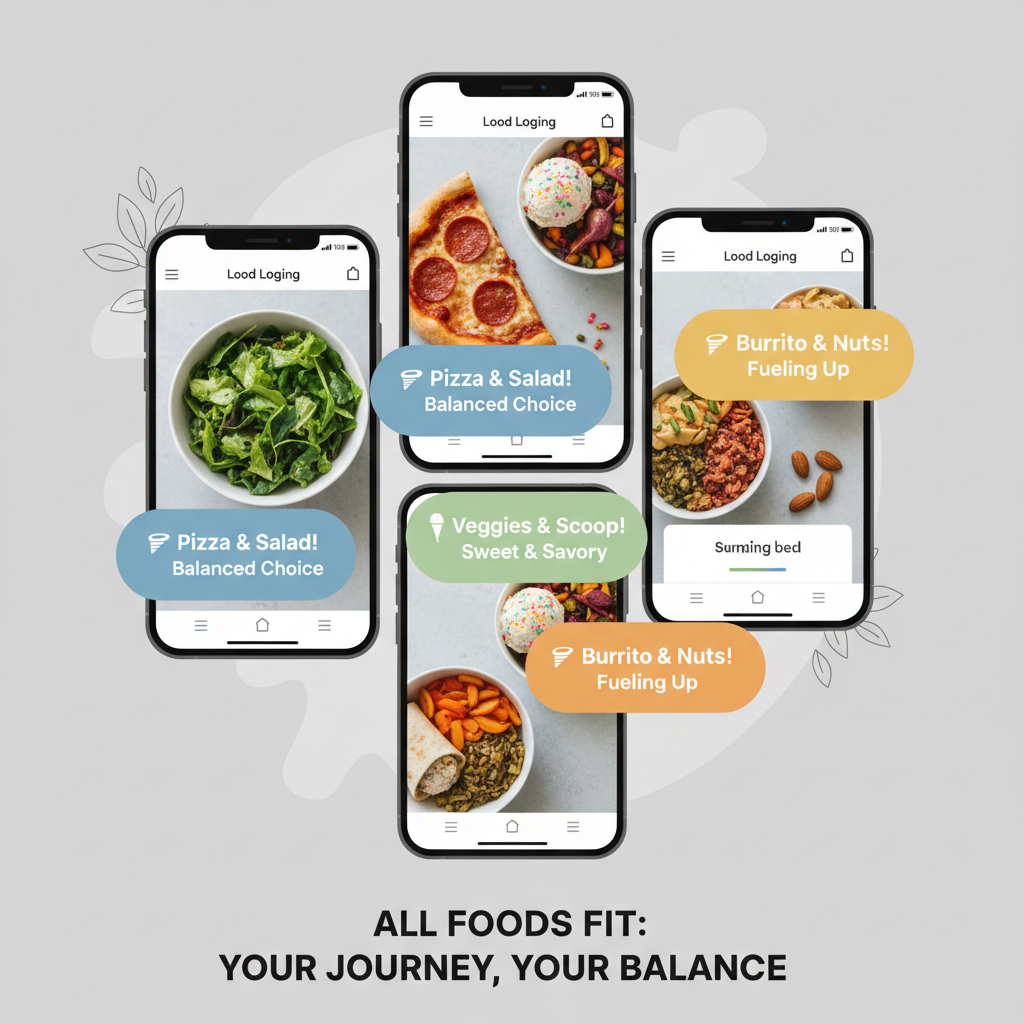
One woman mentioned she finally stopped hiding candy wrappers because the app helped her realize a fun-size Snickers wasn't sabotaging her health goals. Another guy said he ate pizza with friends for the first time in years without calculating macros on his phone under the table.
But here's what really caught my attention: the negative reviews often came from people wanting more restriction, not less. They'd complain these apps weren't "strict enough" or didn't have guilt-inducing warnings about certain foods.
The success stories share a common thread - people learning to trust their hunger cues again instead of fighting them constantly.
The Fine Print Features That Make or Break Intuitive Eating Progress
Pros I Actually Use:
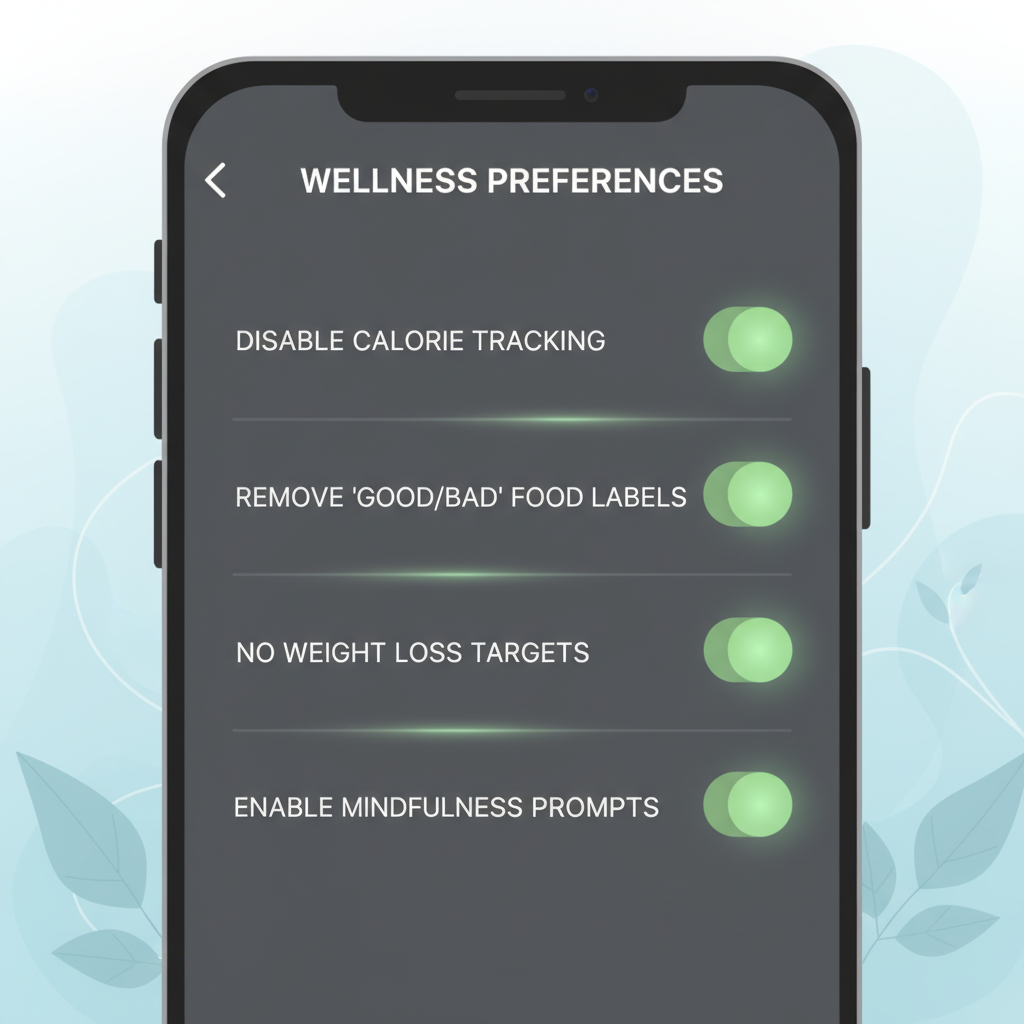
- Meal reminders without guilt-tripping language ("Time to nourish yourself" vs. "You're behind on calories")
- Photo logging that celebrates variety instead of portion analysis
- Notes sections for hunger cues and satisfaction levels
- Export options so you're not locked into one platform forever
Cons That Derailed My Progress:
- "Streaks" that shame you for missing days
- Hidden calorie counters disguised as "nutrition insights"
- Social features that turn eating into competition
- Premium tiers that gate the actual intuitive eating tools behind paywalls
Battle-Tested Alternatives That Won't Trigger Your Inner Diet Cop
Cronometer - I switched here after MyFitnessPal's red numbers gave me anxiety attacks. Just tracks nutrients without the judgment. No screaming alerts when you eat pasta.
Nutrients (iOS) - Clean interface that shows what you're getting, not what you're "missing." Perfect for the data nerds who want details without drama.
Recovery Guru - Originally for athletes, but I love how it focuses on fueling performance instead of restriction. Makes that post-workout pizza feel strategic, not guilty.
Fooducate - Rates food quality without demonizing anything. I can scan my favorite cookies and get useful info without a lecture about "empty calories."
Rise - Connects you with actual dietitians who don't push elimination diets. Real humans who understand that birthday cake serves a purpose beyond carbs.
Your Questions, Answered
How do I find nutrition apps that don't make me feel guilty about eating certain foods?
Look for apps that use words like "balance" and "nourishment" instead of "good" and "bad" foods - from what I've seen, apps like Fooducate and See How You Eat focus on awareness rather than restriction. I'd avoid anything that immediately flags foods as red or assigns moral values to your choices.
When should I switch from a restrictive calorie-counting app to a more balanced approach?
If you find yourself avoiding social meals, feeling anxious about logging food, or obsessing over daily numbers, it's time to make the switch. I've noticed people do better with intuitive eating apps like Am I Hungry or simple photo-logging tools when traditional trackers start controlling their relationship with food instead of helping it.
How do food-positive nutrition apps actually help without strict tracking?
They focus on patterns and feelings rather than exact numbers - you might log energy levels, hunger cues, or how foods make you feel instead of just calories. From my experience, apps like Rise or working with virtual nutritionists through Noom's non-diet approach help you build awareness without the shame spiral that comes with traditional restriction-based tracking.
My Honest Take
Here's what I'd do if I were starting fresh: pick an app that makes you curious about food, not scared of it. The best nutrition tool is one you actually want to open. Life's too short to spend it calculating whether that slice of birthday cake fits your macros.
Food should fuel joy, not anxiety.


