
Gamified Nutrition Apps That Actually Promote Food Freedom
Snacko is the food tracking app that makes healthy eating effortless. Join thousands building better eating habits every day.

Quick question: Have you ever deleted a food tracking app because it made you feel guilty about that slice of pizza?
I've been there too many times to count. Most nutrition apps feel like having a judgmental dietitian living in your phone – constantly calculating, comparing, labeling foods as "good" or "bad." But recently I stumbled across something different: apps that actually make eating feel playful instead of punitive. They're using game elements not to shame you into restriction, but to help you build a healthier relationship with food. And honestly? Some of them are pretty brilliant.
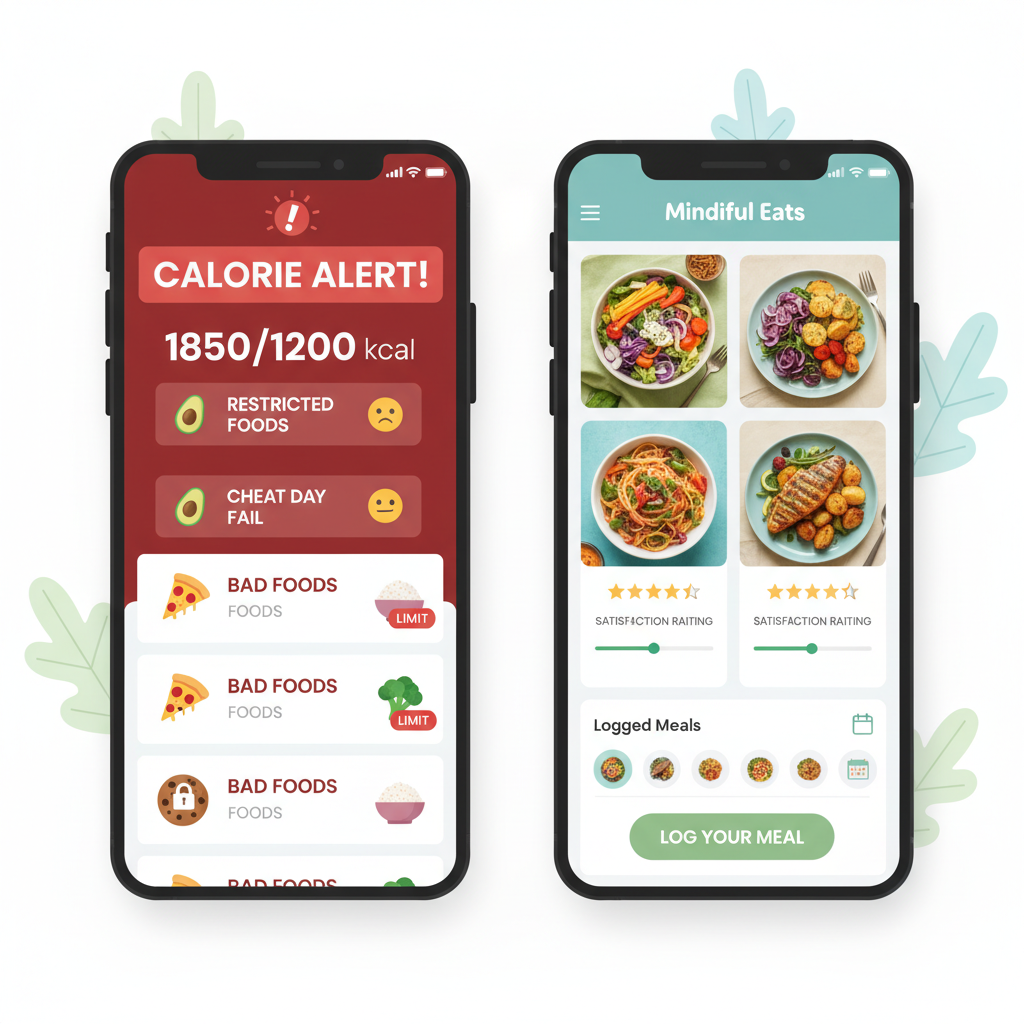
Red Flag Features That Disguise Diet Culture as Progress Tracking
• Daily calorie streaks that reset to zero - I've watched these turn people into anxious robots who log lettuce leaves at 11:59 PM just to keep their streak alive
• Color-coded "good" vs "bad" food categories - Apps that flash red warnings when you log pizza are basically digital food police in disguise
• Weight loss badges and achievements - Getting a trophy for dropping pounds isn't progress tracking, it's gamified restriction
• "Cheat day" language in the interface - If an app calls your Saturday brunch a "cheat," it's promoting guilt, not balance
• Punishment mechanics for "going over" - Apps that make you "earn back" calories through exercise are just dressed-up diet culture
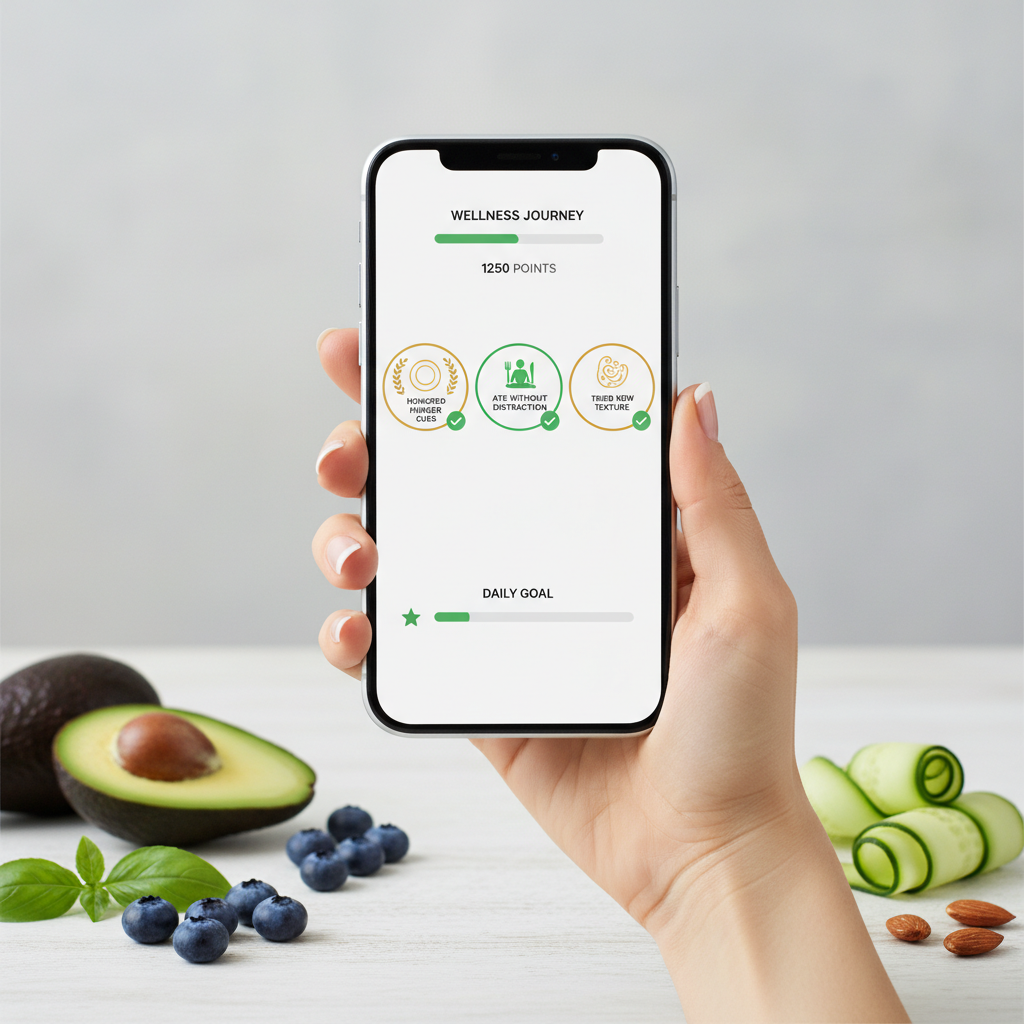
Reverse-Engineering Reward Systems to Build Actual Food Relationship Skills
Most nutrition apps reward you for hitting arbitrary macros or staying under calorie limits—basically training you to be a good little restrictor. I've found that food freedom apps flip this completely. Instead of celebrating "I only ate 1200 calories today!" they reward things like "I ate lunch without checking my phone" or "I noticed I was craving comfort and chose self-care instead of restriction."
The difference is massive. Traditional apps reinforce the diet mentality that got you into food chaos in the first place. Freedom-focused apps actually teach skills—mindful eating, emotional awareness, body trust. They're rewarding the process of healing your relationship with food, not perpetuating it.

Emergency Protocols When Gamification Triggers Restrict-Binge Cycles
The mistake: People think they can just "power through" when streak anxiety kicks in or when missing a daily goal sends them into shame-spiral territory.
I've watched friends restrict all day to hit their macro targets, then binge at 11 PM because the app stress became unbearable. The worst part? They blame themselves instead of recognizing the app triggered them.
When gamification backfires, delete the app immediately. Not tomorrow, not after "one more week" - right now. I know it feels dramatic, but restriction-binge cycles escalate fast.
Have a backup plan ready: three satisfying meals you can make without measuring anything. Call someone who gets it. Remember that your worth isn't tied to green checkmarks or perfect streaks.
What People Ask
Are gamified nutrition apps like MyFitnessPal actually better than intuitive eating apps for food freedom?
Honestly, I've found that most traditional tracking apps like MyFitnessPal can actually make food obsession worse, even with their "gamified" streaks and badges. Apps that focus on intuitive eating principles without the scoring systems tend to be way less triggering if you're trying to break free from diet mentality.
Should I choose a nutrition app with points/rewards or one that just tracks habits without scoring?
From what I've seen, the scoring systems usually backfire and turn eating into another thing to stress about. I'd go with habit-tracking apps that let you note how foods make you feel rather than assigning point values - it keeps the focus on your actual relationship with food instead of some arbitrary number.
Which works better for food freedom: apps that gamify vegetable intake or apps that gamify mindful eating practices?
Apps that gamify mindful eating practices win every time in my experience. Getting points for eating more veggies can easily slip back into "good food/bad food" thinking, but earning rewards for things like eating without distractions or checking in with hunger cues actually builds the skills you need for long-term food freedom.
My Honest Take
Here's what I'd do: try one of these apps for two weeks, but ditch it the moment it starts feeling like homework. The best nutrition app is the one you actually forget you're using because it just fits into your life naturally.
If this helped you sort through the gamified nutrition chaos, share it with someone who's tired of apps that make eating feel like a chore.


