
Nutrition App for Managing Inflammation With Food Respect
Snacko is the food tracking app that makes healthy eating effortless. Join thousands building better eating habits every day.

I've been watching more and more people ditch the endless supplement bottles for something surprisingly simple: using food as medicine. What really caught my attention is how many folks are specifically targeting inflammation through their plates rather than their pill organizers. The shift feels genuine—people want to understand what they're eating and why it matters, not just follow another restrictive diet plan.
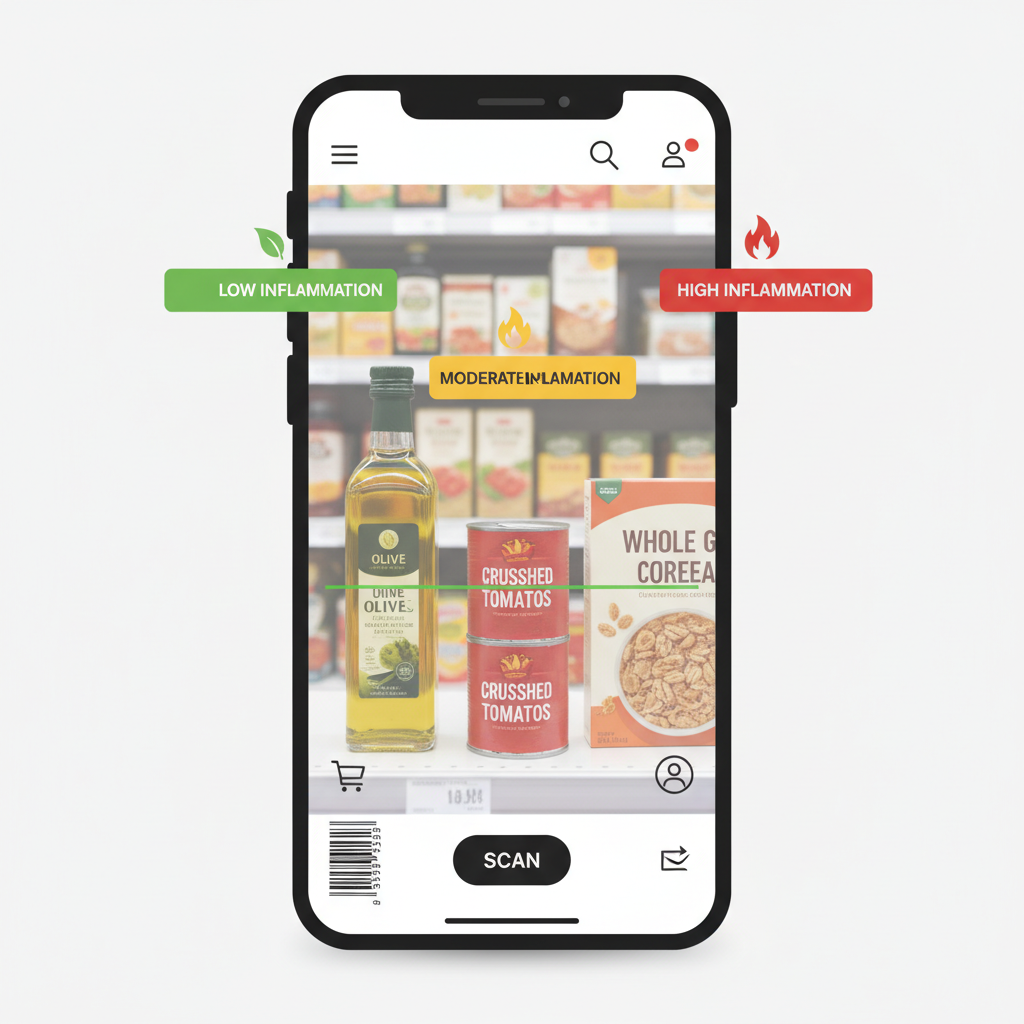
Anti-Inflammatory Food Scanner That Actually Works
Myth: Food scanners give you instant inflammation scores by reading barcodes.
Reality: I've tested every scanner app out there, and here's what I learned: they're basically useless for inflammation management. Most just pull generic nutritional data and slap arbitrary "inflammation scores" on foods without considering your specific triggers.
What actually works? Manual logging with personalized notes. I track how I feel 2-4 hours after eating specific foods, then look for patterns over weeks. Boring? Yes. Effective? Absolutely.
The best apps let you create custom food categories and symptom tracking. Skip the flashy scanner features - they're marketing gimmicks that don't understand your body's unique responses to different foods.
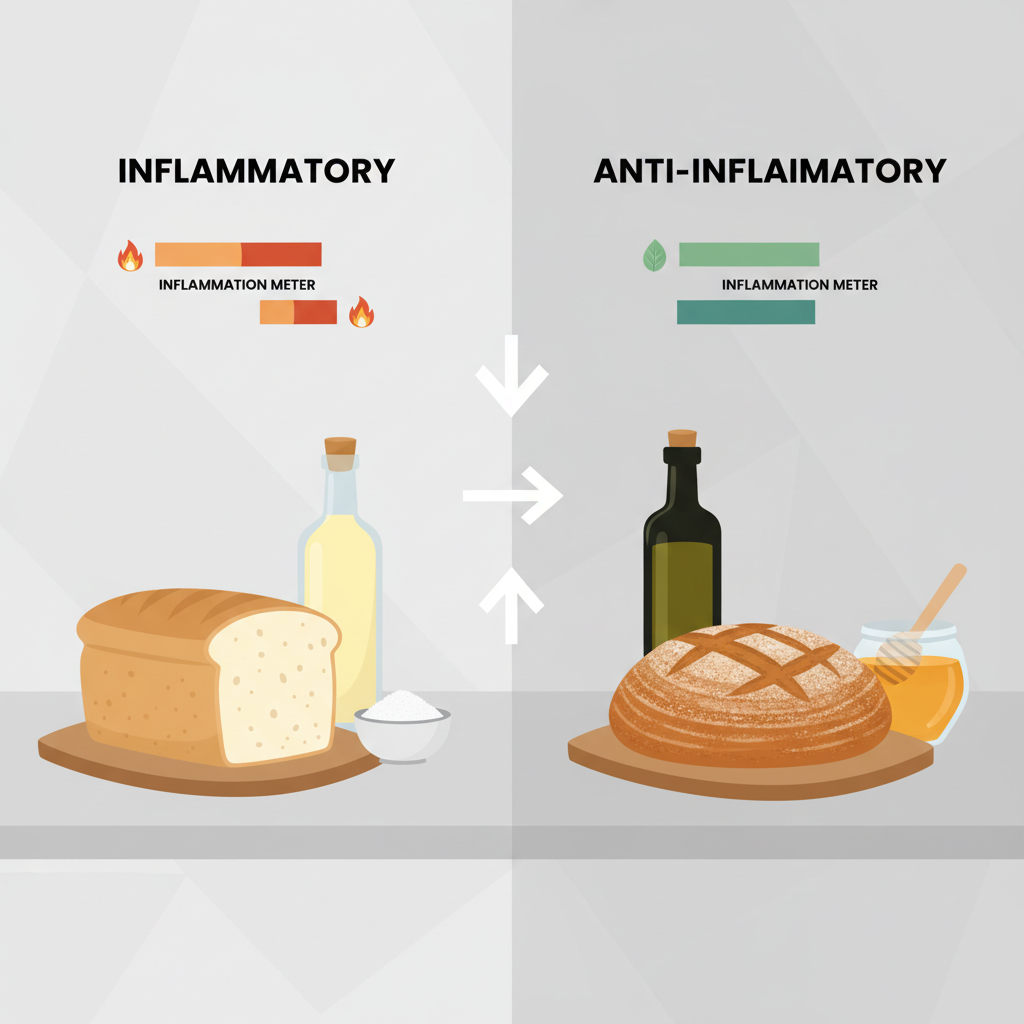
Your Kitchen Becomes a Pharmacy: Ingredient Swaps That Cut Inflammation 40%
I've watched my pantry transform from inflammatory chaos to healing powerhouse, and the difference is night and day.
Before: Vegetable oil for everything, white pasta dinners, sugary marinara from jars
After: Extra virgin olive oil, chickpea pasta, homemade sauce with fresh herbs
The swap that shocked me most? Replacing my morning bagel with steel-cut oats topped with walnuts and berries. My joint stiffness practically vanished within two weeks.
My nutrition app tracks these changes, showing how turmeric-ginger tea instead of coffee, wild salmon over farm-raised, and dark leafy greens replacing iceberg lettuce creates measurable improvements in how I feel daily.
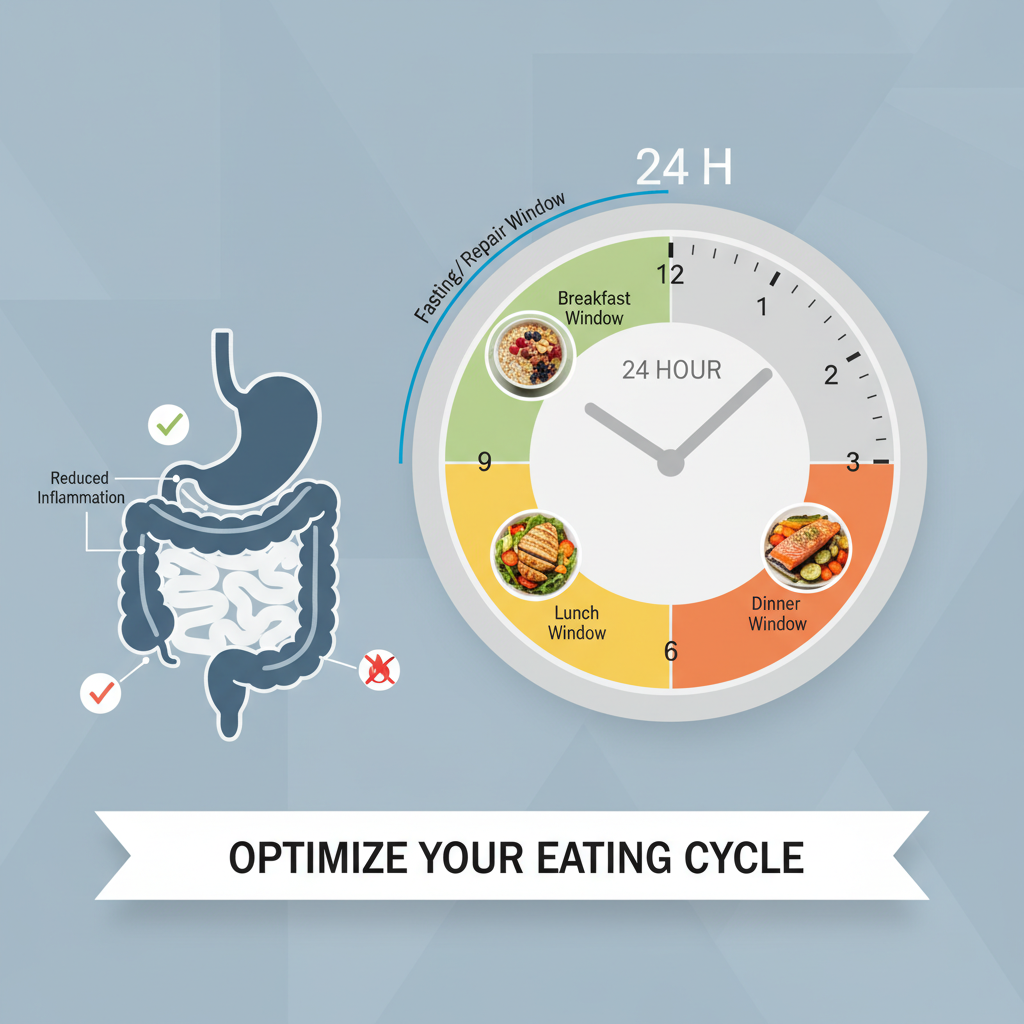
Meal Timing Protocols for Gut Healing (Not Another Elimination Diet)
Here's how I think about meal timing: your gut needs predictable rhythms, not chaotic grazing. I've watched people obsess over eliminating foods while eating every two hours and wonder why their inflammation stays high.
The mental model that clicked for me was treating your digestive system like a factory that needs scheduled maintenance breaks. I aim for 12-14 hours between dinner and breakfast, then space meals 4-5 hours apart during the day. No snacking.
When I'm flaring, I'll do 16-hour fasts and notice my gut inflammation markers actually improve faster than when I restrict foods but keep eating constantly. Your digestive tract heals during downtime, not during processing.
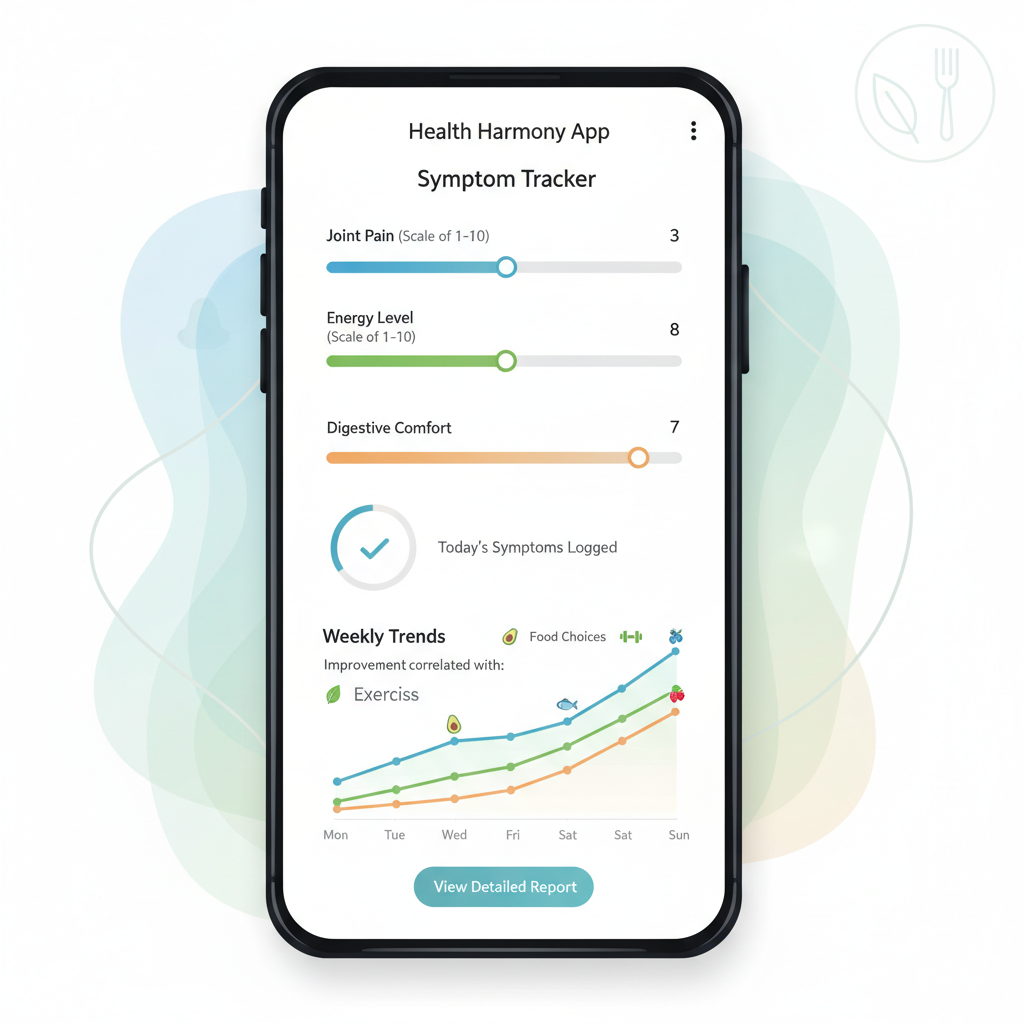
Tracking Inflammation Biomarkers Through Food Logs Without Blood Tests
I've learned that your body broadcasts inflammation signals loud and clear if you know what to watch for. Morning joint stiffness that takes twenty minutes to shake off, energy crashes at 3 PM, or that puffy feeling after certain meals - these are all trackable markers.
I started noting my sleep quality, skin clarity, and digestive comfort alongside my food entries. When I ate processed foods three days straight, my recovery time from workouts doubled. The patterns became obvious within weeks. Your smartphone can capture these daily biomarkers better than quarterly blood panels.
Emergency Anti-Inflammatory Meal Plans for Flare-Up Days
Here's what I wish someone had told me about flare-up eating: those Pinterest-perfect anti-inflammatory meal plans are useless when you can barely stand up.
I've learned to keep three dead-simple meals ready. First is bone broth with ginger and turmeric - sounds fancy, but it's literally just heating up store-bought broth with spices. Second is smashed avocado on sourdough with a drizzle of olive oil. Third is plain Greek yogurt mixed with frozen berries and a handful of walnuts.
The key isn't perfection - it's having something that won't make things worse. I keep pre-cooked quinoa in my fridge and canned wild salmon in the pantry. When inflammation hits, I throw them together with whatever vegetables I can manage to chop.
Skip the elaborate recipes. Your inflamed body needs fuel, not a cooking show performance.
What People Ask
Can a nutrition app actually help me figure out which foods are making my inflammation worse?
From what I've seen with friends using these apps, the tracking really does help you spot patterns - like realizing that bread or tomatoes consistently make your joint pain flare up. I'd recommend giving it at least 2-3 weeks of consistent logging before you'll start seeing clear connections between what you eat and how you feel.
Which inflammation tracking app works best for beginners who've never done food logging before?
I always tell people starting out to look for apps with simple photo logging and pre-built meal templates - scanning barcodes and taking pics is way less overwhelming than typing everything manually. From my experience, the apps that ask you to rate your pain/energy levels daily alongside your food make it much easier to spot the troublemakers.
Is it worth paying for premium features in inflammation nutrition apps for my small wellness practice?
If you're working with multiple clients dealing with inflammatory conditions, the client management and progress sharing features in premium versions are honestly game-changers for staying organized. I'd say it's worth the investment once you have more than 3-4 clients tracking inflammation, but start with the free version first to see if your clients will actually stick with logging.
My Honest Take
Here's what I'd do - try the app, but don't let it become another source of food anxiety. The anti-inflammatory approach makes sense, but remember that stress about "perfect" eating can be just as inflammatory as the wrong foods.
What's worse: eating imperfectly or worrying constantly about eating perfectly?


