
Food Tracking for PCOS Management Without Restrictive Diet Mentality
Snacko is the food tracking app that makes healthy eating effortless. Join thousands building better eating habits every day.

I used to think food tracking meant obsessing over every calorie and feeling guilty about eating a cookie. Then I watched clients with PCOS transform their relationship with food by using tracking as a tool for understanding, not restriction. They started noticing which foods made them feel energized versus sluggish, how their cycles affected cravings, and what combinations actually satisfied them. Imagine knowing exactly what your body needs without the mental gymnastics of "good" and "bad" foods—that's what gentle food awareness can do for PCOS management.
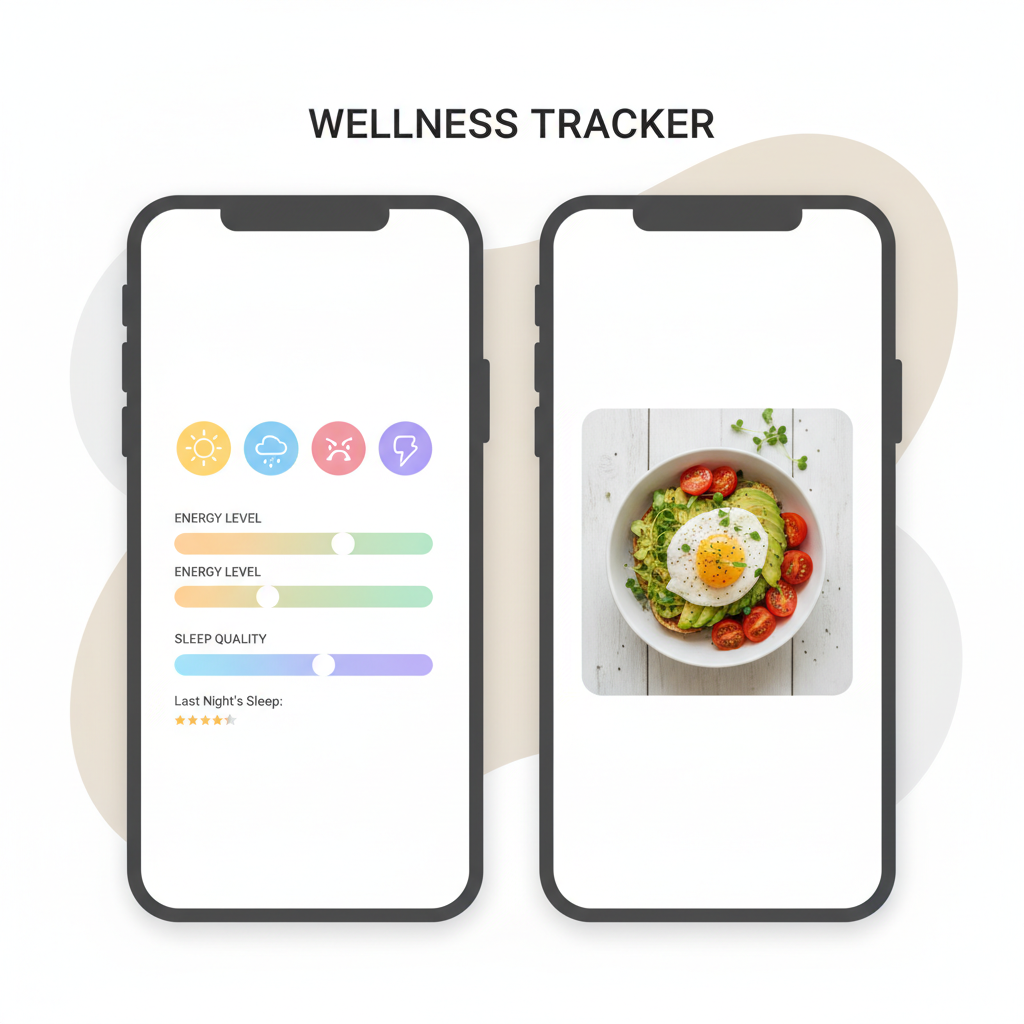
Track Symptoms, Not Calories: Building Your PCOS Data Dashboard
I ditched calorie counting after realizing it was making me obsess over numbers while missing the actual patterns my body was showing me. Now I track what actually matters for PCOS management.
My daily dashboard includes energy levels (1-10 scale), mood swings, cravings intensity, and period timing. I note which foods leave me feeling steady versus crashed two hours later. Some days I'll add skin breakouts or brain fog severity.
The game-changer was connecting dots between what I ate Tuesday and how I felt Thursday. Turns out my body responds to sugar spikes with a 48-hour delay. No calorie app would've taught me that—but tracking symptoms did.
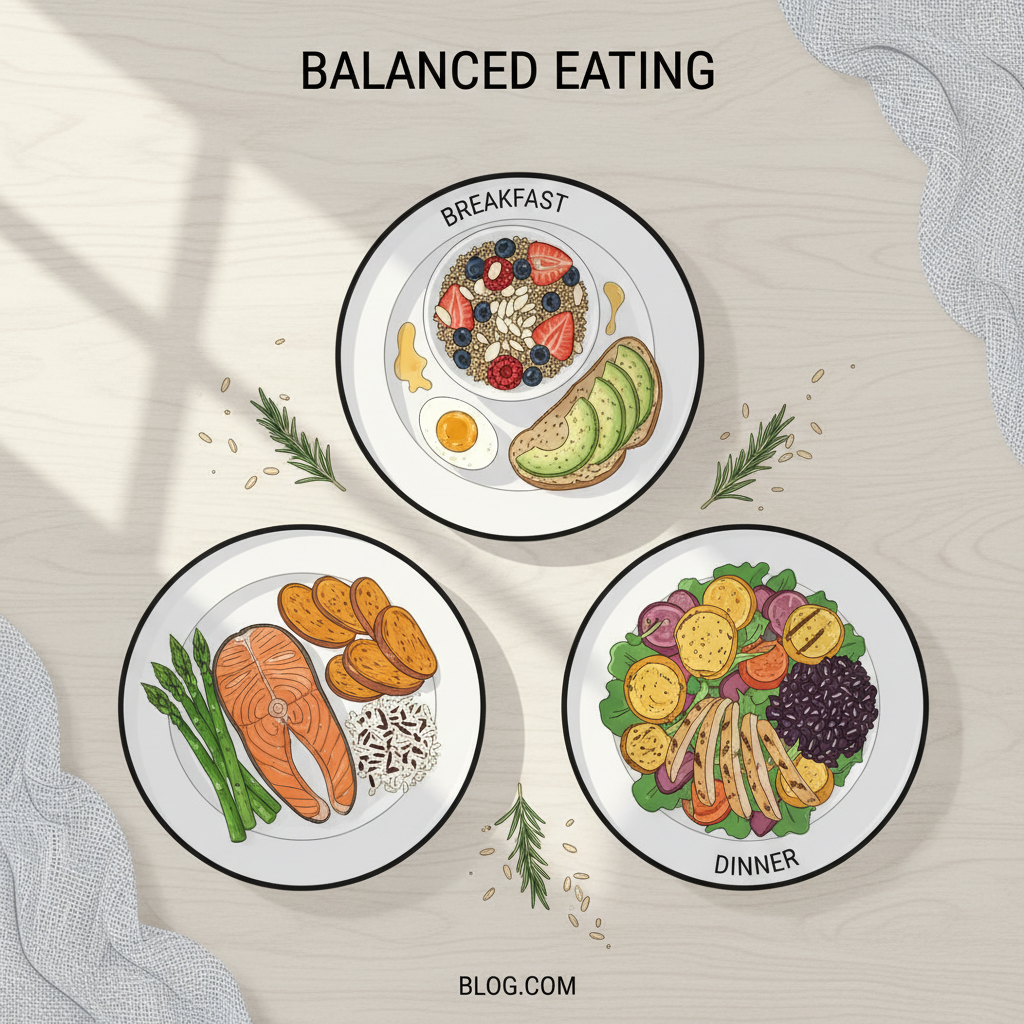
The 3-Meal Timing Hack That Stabilizes Blood Sugar Without Counting Macros
I stumbled onto this after years of obsessing over every gram of protein. The timing matters way more than I thought.
Here's what changed everything: I eat within an hour of waking up, have lunch 4-5 hours later, and dinner another 4-5 hours after that. No snacks unless I'm genuinely hungry, not just bored or stressed.
The magic happens when you stop grazing. My energy used to crash around 3 PM religiously. Now? I actually feel stable throughout the day. My cravings for sugar pretty much disappeared after two weeks of consistent timing.
The hardest part was learning to sit with mild hunger instead of immediately reaching for food. I had to retrain myself that hunger isn't an emergency. Most of the time when I thought I was hungry at 10 AM, I was just thirsty or anxious.

Spotting Your Personal Food-Mood Patterns (Even When Life Gets Chaotic)
I've learned to track differently during crazy weeks. Instead of detailed food logs, I use voice memos while driving: "Skipped breakfast again, feeling shaky by 10am" or "Had protein with lunch, energy stayed steady through that brutal meeting."
The real patterns show up in your worst moments. I noticed my PCOS symptoms flared hardest when I'd grab a muffin during stressful mornings, then crash by noon. That connection only became obvious after tracking through a particularly insane work deadline.
Try the "three-dot method" when life's chaotic. Just note three things daily: what you ate, how you felt physically, and your mood. Use your phone's notes app. I've found the most valuable insights come from tracking during stress, not perfect days.
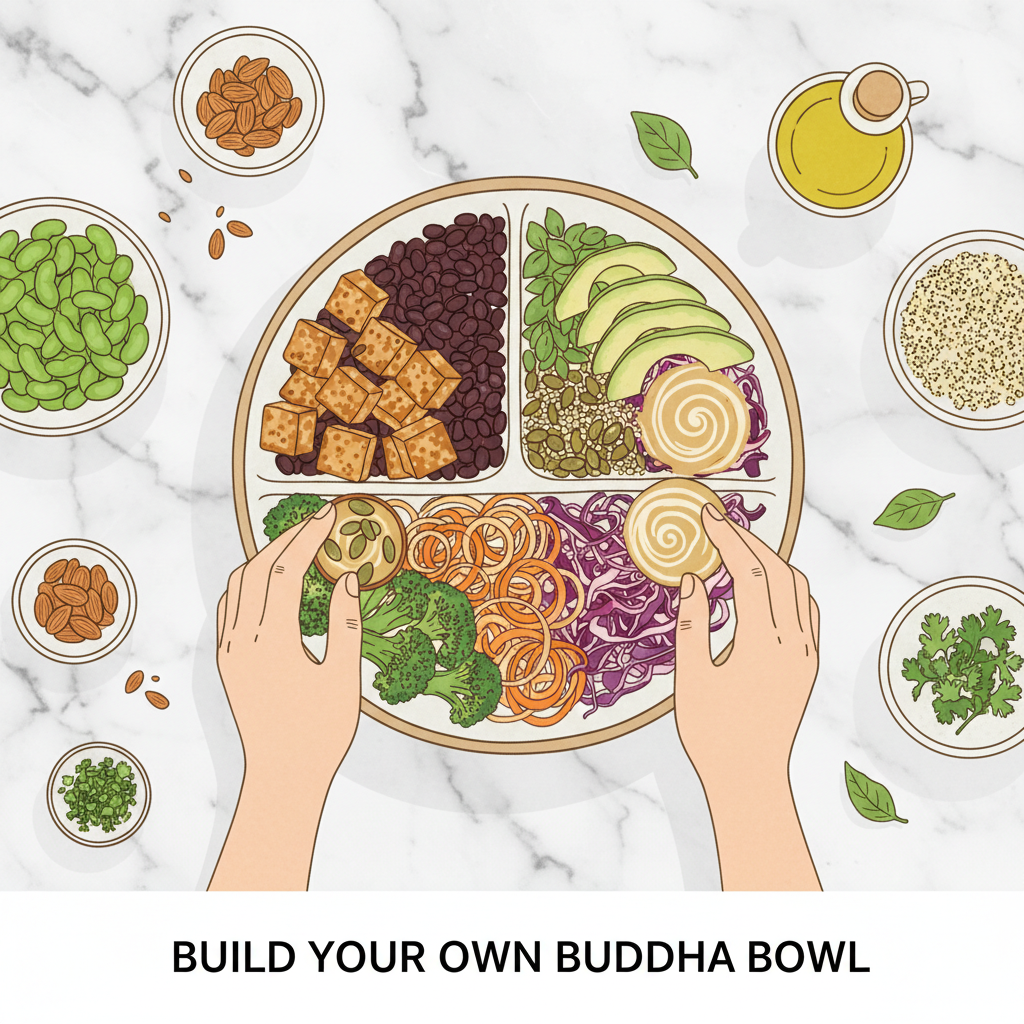
Building Plate Combinations That Actually Satisfy Your PCOS Body
Start with your protein anchor. I've learned that 20-25g of protein per meal keeps my blood sugar from doing that horrible rollercoaster thing. Palm-sized chicken thigh, two eggs, or half a cup of lentils work.
Add your fiber sidekick. Raw carrots with hummus, roasted Brussels sprouts, or even apple slices. This combo slows everything down in the best way.
Include satisfying fats. A tablespoon of olive oil on vegetables, half an avocado, or nuts. Without fat, I'm hungry again in an hour and end up eating whatever's closest.
Track how combinations feel. Salmon with sweet potato and broccoli might leave you energized while pasta does the opposite. Your body will tell you what works.
Frequently Asked Questions
How much time does food tracking for PCOS actually take per day?
Honestly, once you get into a routine, I'm talking maybe 5-10 minutes total - I log as I eat or prep, not at the end of the day when I've forgotten everything. The key is using an app that learns your regular meals so you're not typing "chicken breast" from scratch every single time.
How much does effective PCOS food tracking cost without getting into expensive diet programs?
I've been doing this successfully with free apps like Cronometer or MyFitnessPal for years - zero cost beyond what you're already spending on food. The paid versions ($5-6/month) are nice for removing ads and getting better nutrient breakdowns, but definitely not necessary when you're starting out or on a tight budget.
The Real Talk
Here's my take: food tracking for PCOS works best when you treat it like a curious scientist, not a strict judge. Track patterns, not perfection. Your body is already doing amazing things—the goal is just helping it along, not fighting against it.


