
Food App That Doesn't Label Foods as Good or Bad
Snacko is the food tracking app that makes healthy eating effortless. Join thousands building better eating habits every day.

Here's something that blew my mind: I've watched friends obsess over whether their quinoa bowl is "clean" enough while completely ignoring whether they actually enjoyed eating it. We've become so fixated on moral judgments around food that we've forgotten the whole point of eating. That's why I got excited when I discovered this food tracking app that refuses to shame you for your choices.
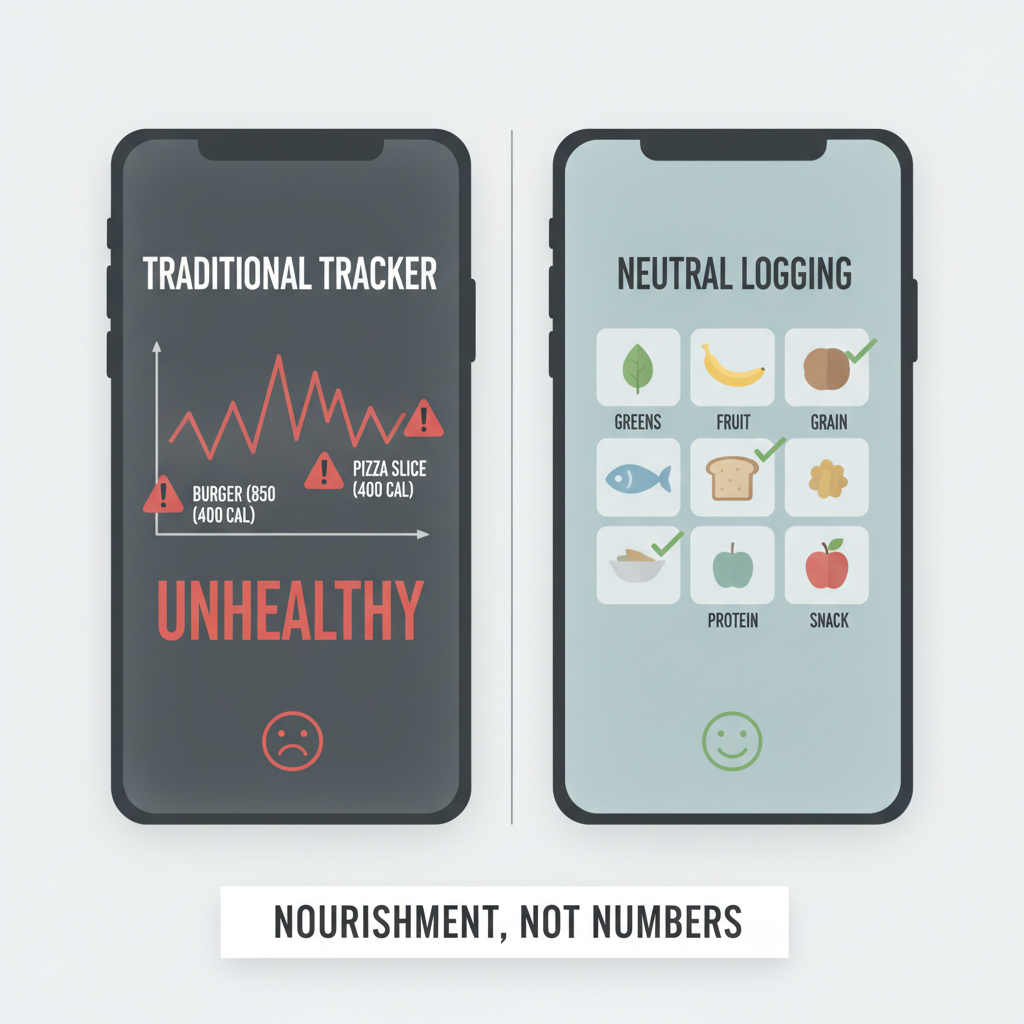
Why I Stopped Tracking 'Bad' Foods and Started Logging Everything Instead
I used to be the person who'd eat a donut and then pretend it didn't happen in my food diary. Classic mistake. Apps that label foods as "good" or "bad" just fed into this shame spiral where I'd either be perfectly virtuous or completely off the rails.
What changed everything was switching to an app that treats pizza the same way it treats kale - just data. When I started logging my actual eating patterns without judgment, I spotted things I'd never noticed before. Like how skipping lunch always led to me demolishing a bag of chips at 4 PM, or how my "healthy" smoothies were clocking in at 600 calories.
The neutral tracking showed me that balance isn't about perfection - it's about patterns you can actually live with.
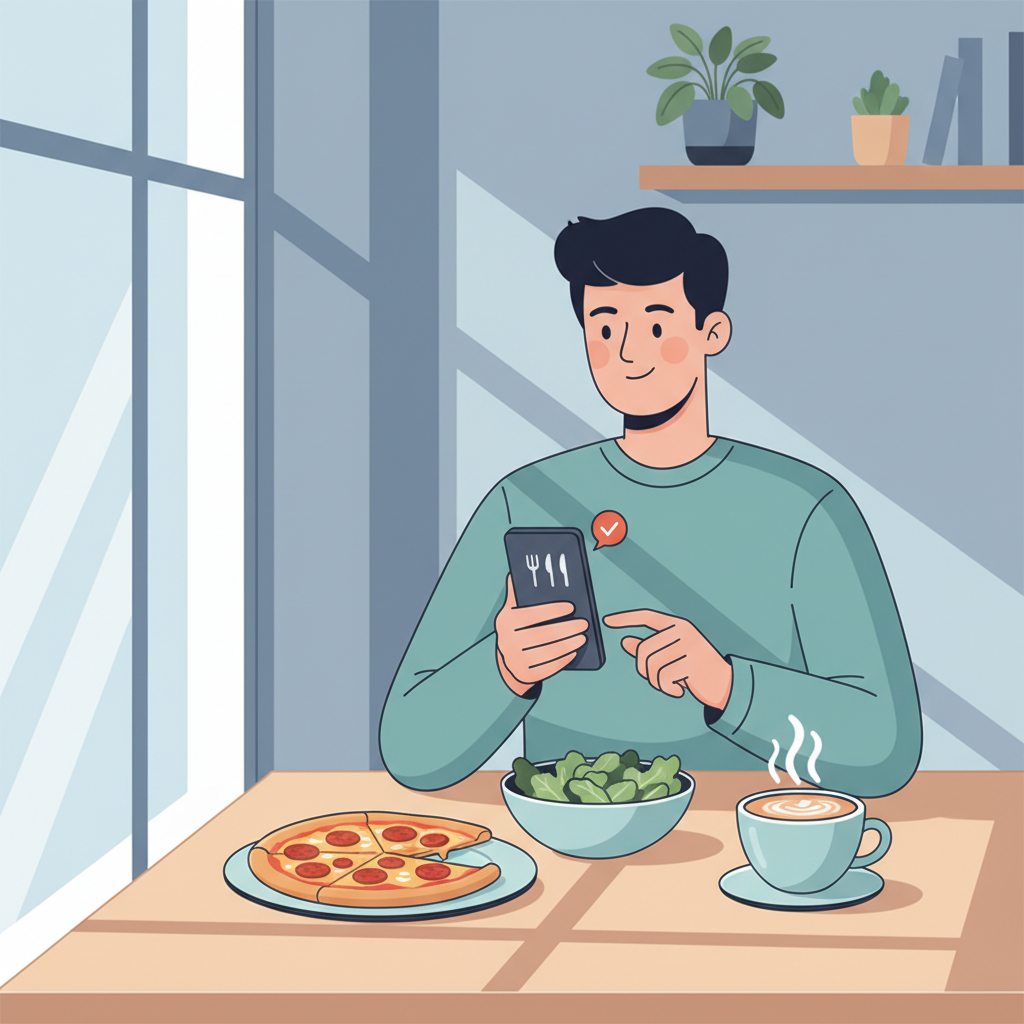
Three Months Without Food Shame: What Actually Changed in My Eating Patterns
The biggest shift happened around week six - I stopped eating cookies standing in the kitchen like I was committing a crime. When the app just logged "chocolate chip cookies, 3" without any red warnings or guilt-inducing commentary, something in my brain relaxed.
I started actually tasting my food again instead of wolfing it down before anyone could see. Those late-night ice cream sessions became normal Tuesday evenings, not shameful binges that required mental gymnastics to justify.
What surprised me most was how my cravings leveled out. When pizza wasn't "forbidden," I found myself genuinely wanting salads some days without forcing it. I'm not saying I transformed into someone who craves kale, but the constant mental battle between "good" and "bad" foods just... stopped. My eating became boring in the best possible way - just fuel, just pleasure, just normal.
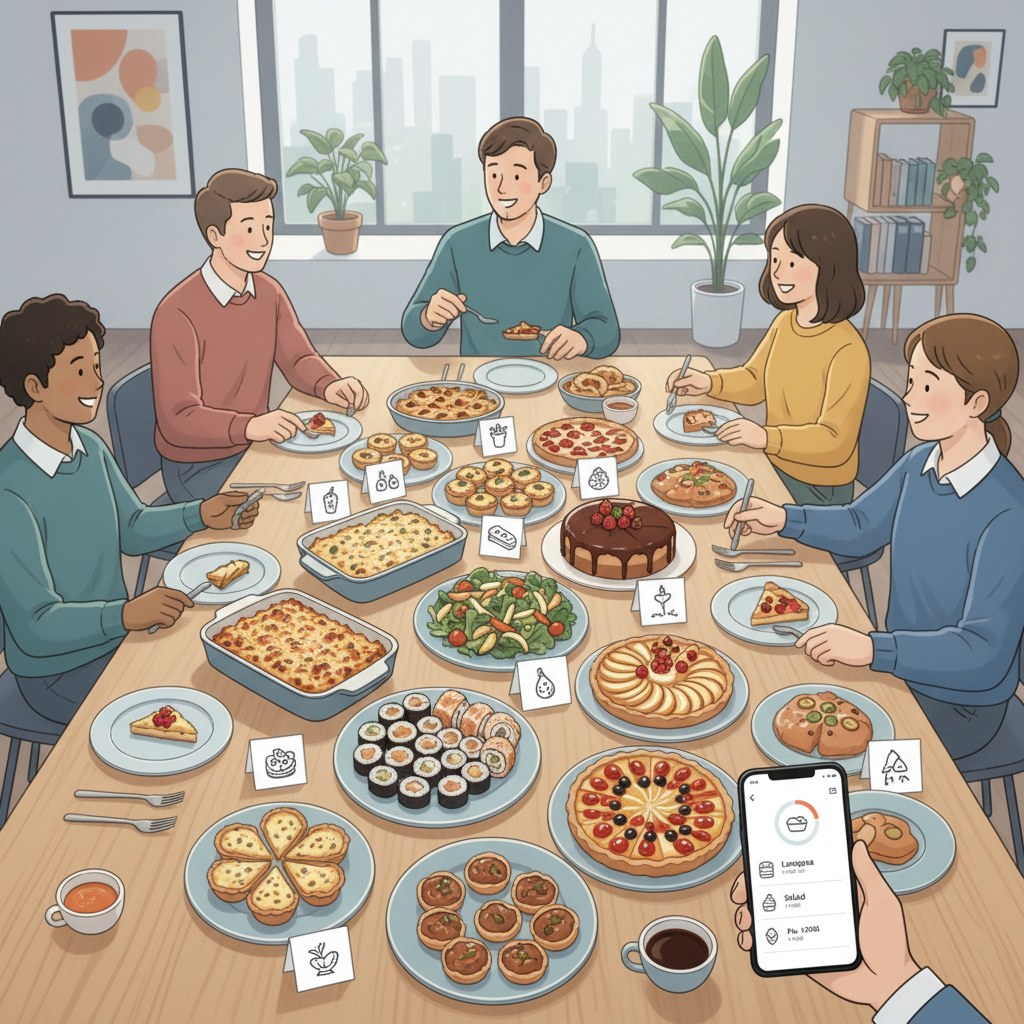
How Neutral Food Tracking Helped Me Navigate Family Dinners and Office Potlucks
I used to dread family dinners because I'd either track nothing and feel guilty, or obsess over every ingredient. Here's what I've learned works better:
Before the event: I log a rough estimate of what I think I'll eat. Not perfect portions—just "chicken, vegetables, some pasta." This takes the pressure off real-time tracking when everyone's watching.
During: I focus on enjoying the food and conversation instead of sneaking phone photos of my plate. The app doesn't judge my choices, so I don't either.
After: I adjust my earlier entry if needed, but honestly, I often just leave it as-is. One imperfect day doesn't matter.
The biggest shift? I stopped viewing social eating as "cheating." When my tracking app treats all foods equally, these occasions became about connection rather than food anxiety. My aunt's lasagna isn't the enemy anymore.
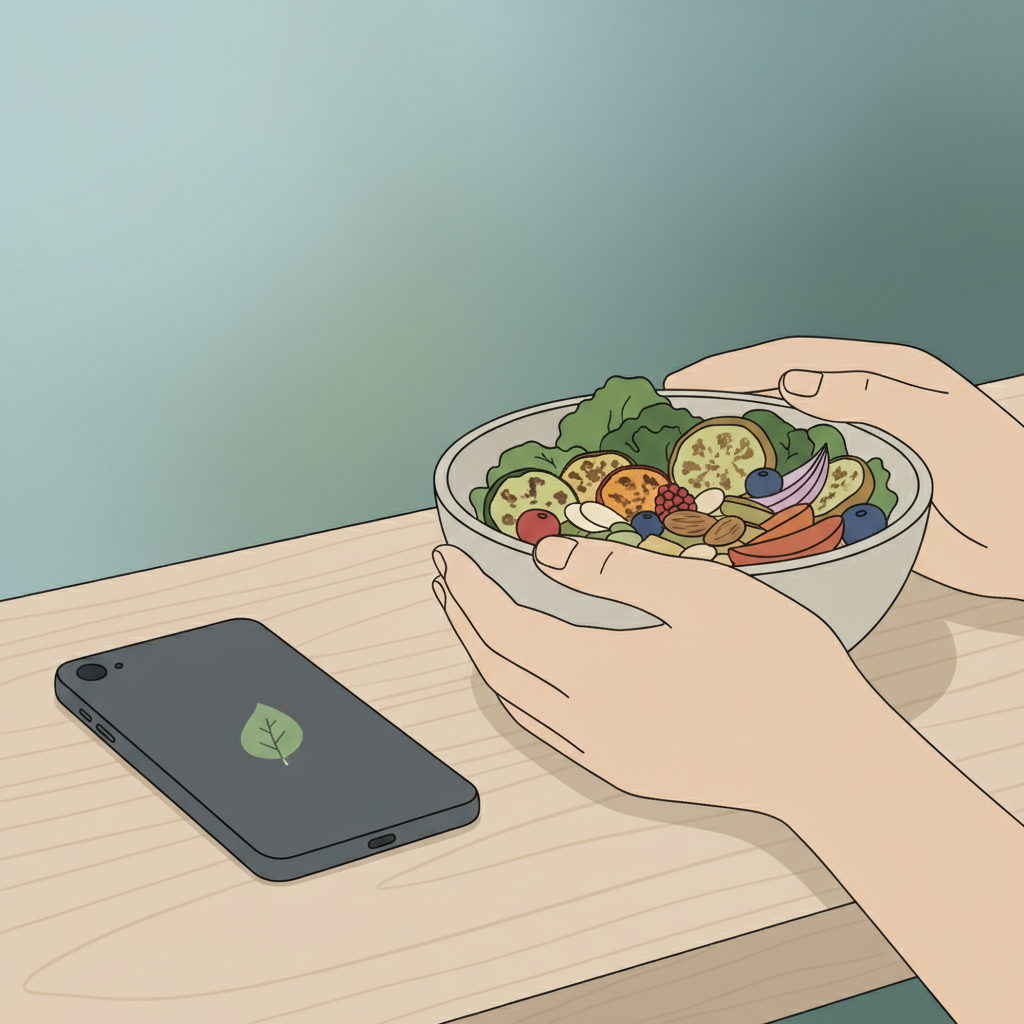
When the App Stays Silent: Learning to Trust My Body's Hunger Cues Again
Here's what I wasn't expecting: the hardest part about using a neutral food app was learning to make decisions without constant validation. When you're used to apps that flash green for "good choice!" or red for "danger zone!", the silence feels weird at first.
Hunger cues are your body's natural signals telling you when and how much to eat - things like stomach growling, low energy, or that specific emptiness feeling. I'd spent years overriding these with app notifications and calorie countdowns.
Now I actually pause and ask myself: Am I actually hungry, or just bored? What sounds good right now? It took weeks to trust that my body knows what it needs better than any algorithm.
Quick Answers
Does a food app without "good" and "bad" labels actually help you eat better?
From what I've seen, yeah it really does - when apps aren't constantly judging your choices, you stop feeling guilty about eating and start paying attention to how foods actually make you feel. I found I naturally gravitated toward more nutritious stuff without the shame spiral that comes from seeing everything labeled as "bad."
Is it worth switching from my current food tracking app that uses color codes and ratings?
I'd say yes if you're tired of feeling like crap every time you log something "red" or low-rated. The neutral approach takes some getting used to since you lose that instant validation/punishment system, but honestly it's so much more sustainable when you're not constantly battling the app's judgment calls.
The Real Game-Changer
Here's what I'd do: once you're comfortable with neutral tracking, start noticing your hunger cues before logging. Advanced users can experiment with eating satisfaction ratings alongside their entries. My take? When apps stop judging your choices, you finally get space to develop your own food wisdom. That's where the magic actually happens.