
How to Track Calories Without Triggering Eating Disorder Recovery Setbacks
Snacko is the food tracking app that makes healthy eating effortless. Join thousands building better eating habits every day.

Here's the thing nobody tells you about calorie tracking in recovery: it's not automatically off-limits forever, but most people do it completely wrong and end up back where they started.
I've watched too many people jump straight back into MyFitnessPal like nothing happened, then wonder why their food anxiety came roaring back. The difference between helpful awareness and triggering obsession comes down to how you approach it—and honestly, most recovery resources either ban it entirely or give you zero guidance on doing it safely.
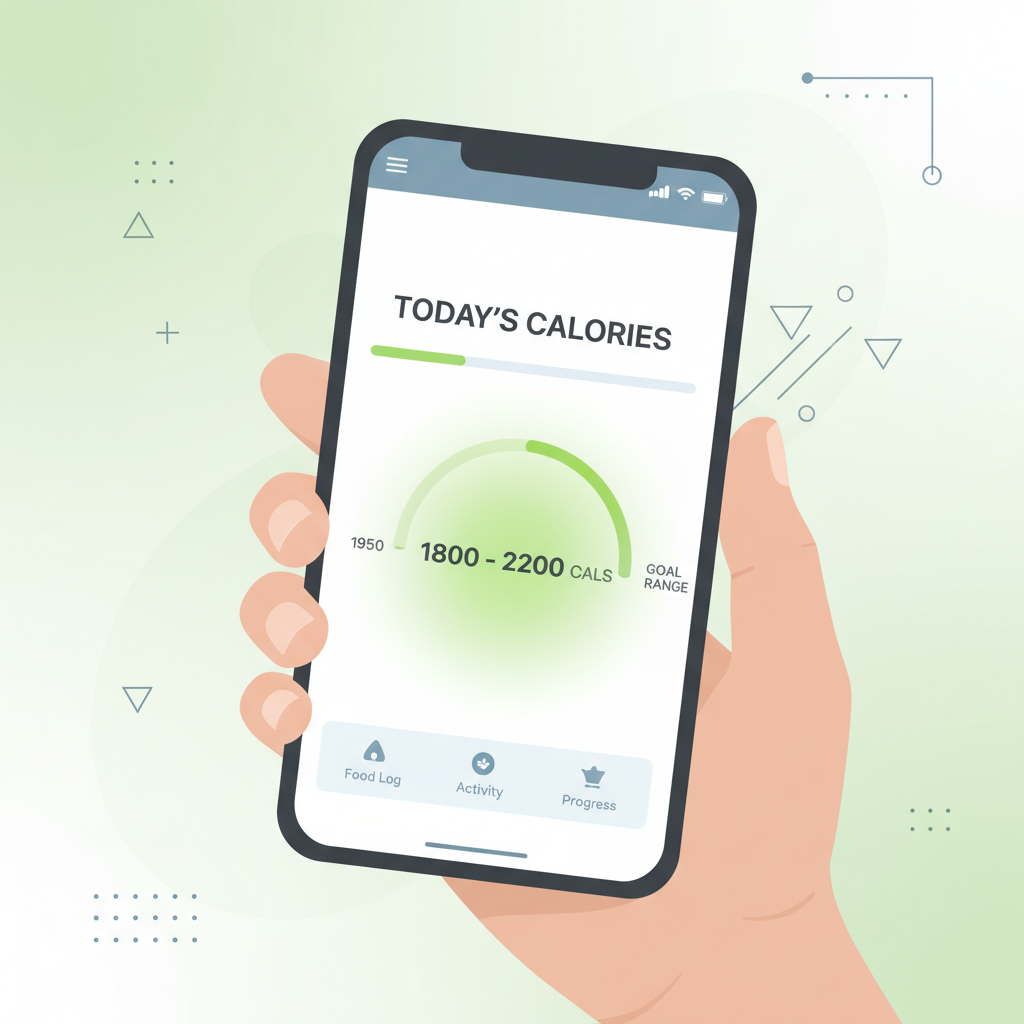
Setting Daily Calorie Windows Instead of Rigid Target Numbers
I've found that saying "I need to eat exactly 1,800 calories today" is a recipe for disaster in recovery. Miss by 50 calories and suddenly you're either "failing" or obsessing over whether to eat that extra apple.
What actually works for me is setting ranges - like 1,700-1,900 calories. This gives my brain permission to be human instead of a perfect calorie-counting robot.
Some days I hit 1,750, other days 1,875. Both are wins because they're in my window. I'm still tracking and staying accountable, but I'm not white-knuckling my way to some arbitrary exact number that probably doesn't matter anyway.
The 200-calorie range feels wide enough to breathe, narrow enough to stay on track.
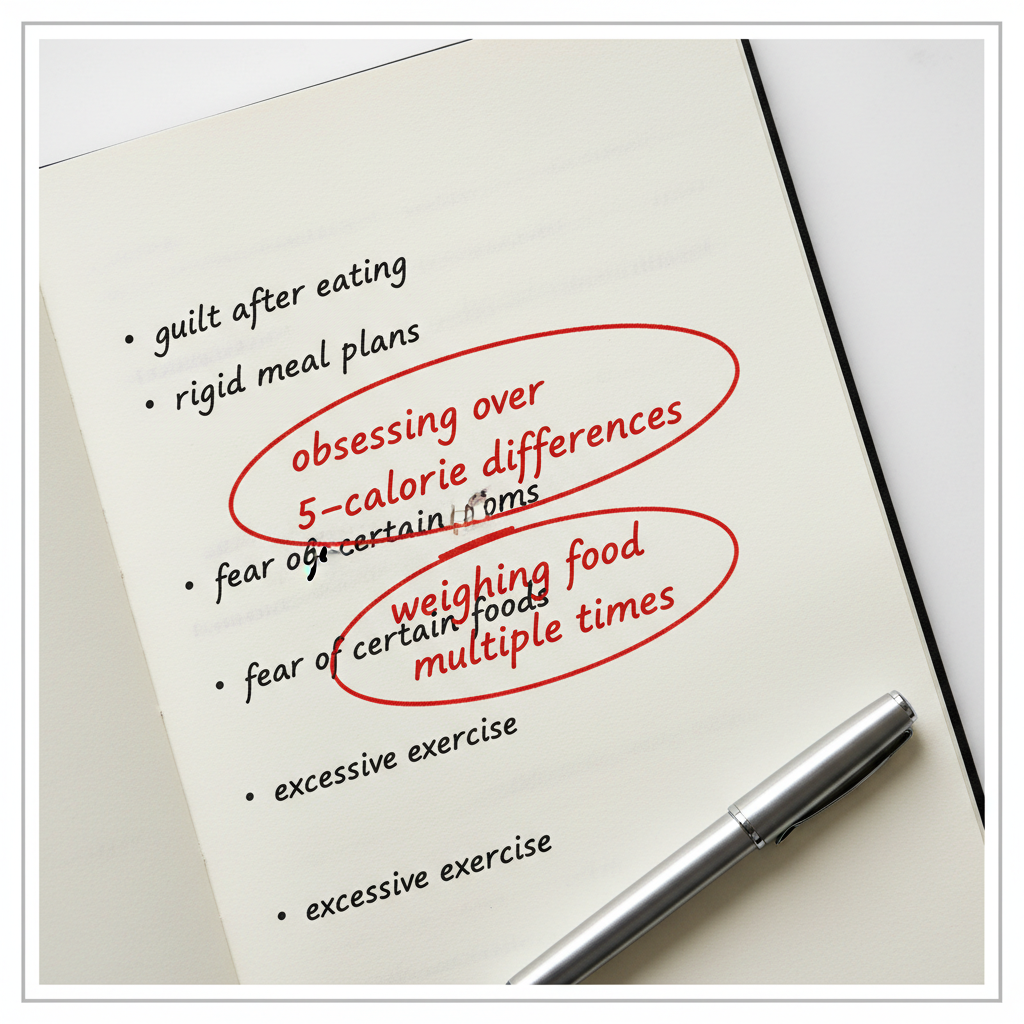
Recognizing Your Personal Red Flag Moments Before They Spiral
I've learned that my warning signs usually show up as thoughts first, then behaviors. When I catch myself calculating the exact calories I'd need to "undo" yesterday's dinner, that's my cue to step back from the app for a few days. Or when I start weighing whether a social event is "worth" the caloric uncertainty.
The tricky part is that these thoughts feel totally reasonable in the moment. Of course I should know exactly what's in that restaurant salad dressing, right? But when reasonable planning turns into rigid anxiety about unknowns, I know I'm heading toward a spiral.
I've started keeping a simple note in my phone about what my specific warning signs look like. Things like refreshing the calorie tracking app more than three times in an hour, or feeling genuinely panicked about eating something I didn't pre-log.
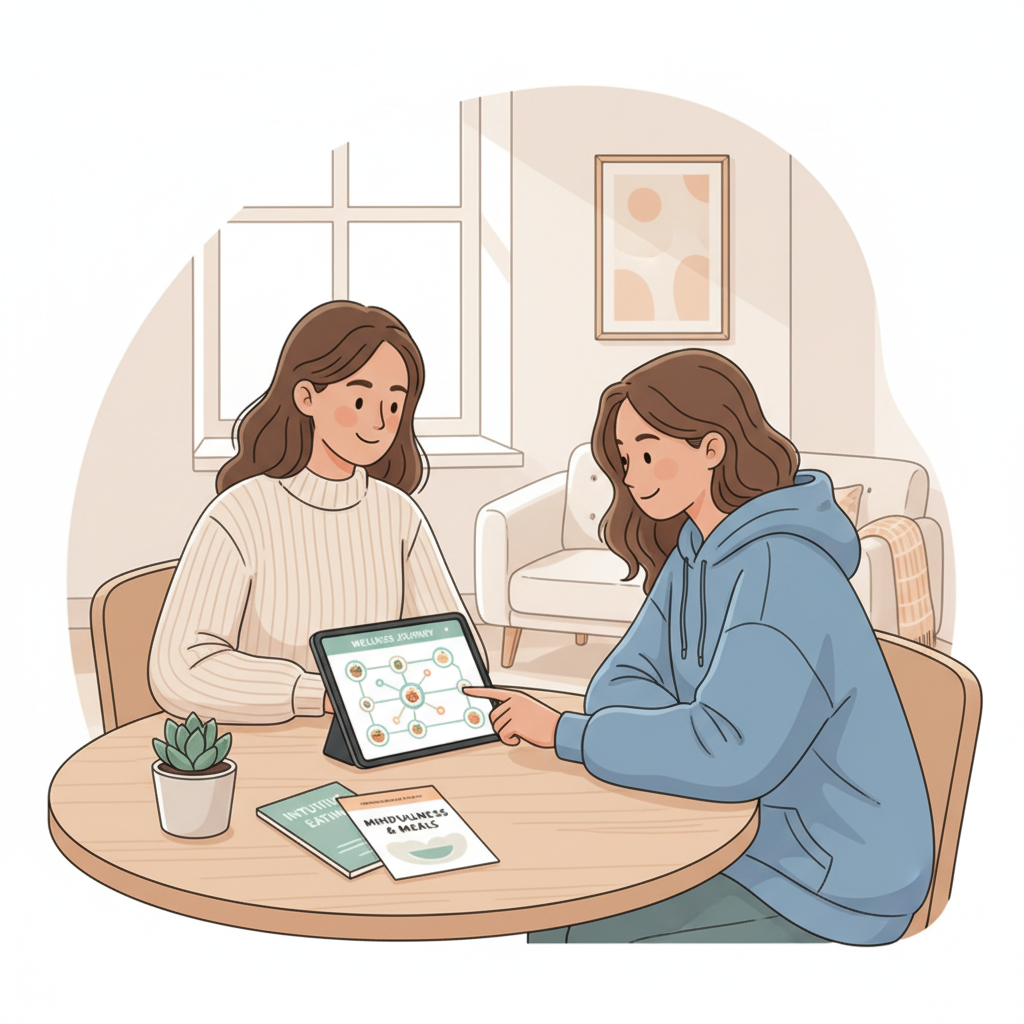
Building Weekly Check-ins with Your Recovery Support Team
I've learned the hard way that going solo with calorie tracking in recovery is like walking a tightrope blindfolded. Weekly check-ins with your therapist, dietitian, or trusted friend become your safety net.
Here's what actually works: Schedule a consistent 15-minute weekly call where you review your tracking patterns together. I bring screenshots of my app or food diary – transparency kills the shame spiral before it starts. My dietitian spots red flags I miss, like when I'm unconsciously restricting certain food groups or obsessing over daily fluctuations.
The magic happens when someone else can say "Hey, you've been under your targets three days straight" before you spiral. I've found Tuesday check-ins work best – far enough from weekend social eating but early enough to course-correct for the week ahead.
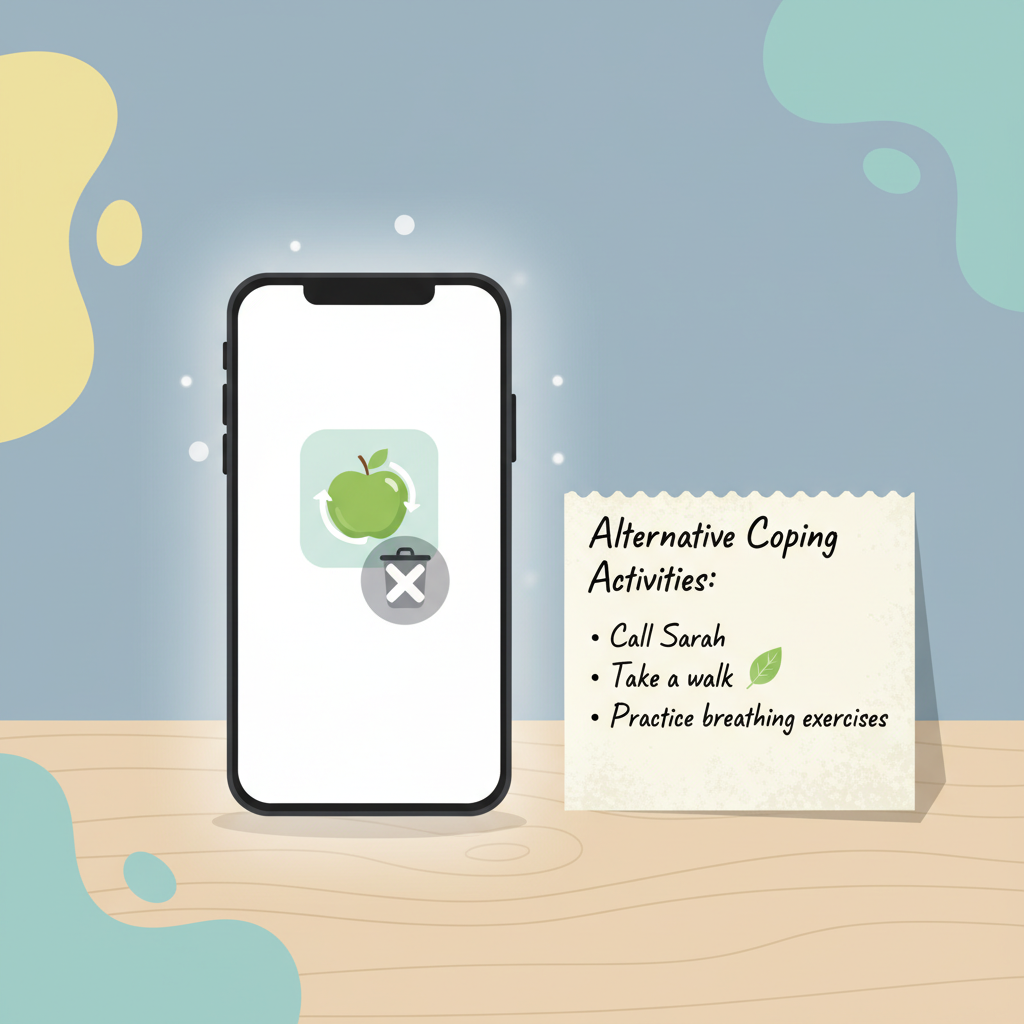
Creating Emergency Exit Strategies When Tracking Becomes Compulsive
I learned the hard way that you need an escape plan before tracking becomes a spiral. When I catch myself logging the same snack three times to make sure the calories are "exact," or spending twenty minutes trying to calculate how many almonds I actually ate, that's my signal to step back immediately.
My emergency exits include deleting the app for 48 hours (yes, you'll survive without those two days of data), switching to intuitive eating for a week, or asking my partner to hide my food scale. I've also found that setting a timer when I log food helps - if I'm spending more than two minutes entering a simple meal, something's wrong.
The key is deciding on these strategies when you're in a good headspace, not when you're already obsessing over whether that banana was medium or large.
What People Ask
What if tracking calories makes me obsess over numbers even when I'm trying to be "gentle" about it?
Honestly, if you're already spiraling into number fixation, ditch the tracking entirely for now - I've seen too many people convince themselves they can handle it when they really can't. Try tracking just portions or hunger/fullness levels instead, because recovery has to come first, and there's no shame in admitting calorie counting isn't for you right now.
How do I know if my "intuitive tracking" is actually just restriction in disguise?
From what I've seen, if you're making food decisions based on staying under a certain number, feeling guilty about going over, or avoiding social eating because you can't track it perfectly, you're probably restricting. The real test is whether you can genuinely eat more when you're hungrier without internal panic - if that thought makes you anxious, you're not ready for any kind of tracking.
What if my treatment team says no tracking but I feel completely out of control without it?
I'd recommend being brutally honest with your team about the "out of control" feeling instead of secretly tracking anyway - they might be able to help you work through that fear or find a compromise like meal planning without calorie numbers. In my experience, that chaotic feeling usually settles once your body trusts you to feed it consistently, but pushing against your treatment team's advice rarely ends well.
The Bottom Line on Calorie Tracking
Here's my honest take: if tracking makes you anxious or obsessive, your body already knows what it needs better than any app ever will. Trust that wisdom first. The best calorie counter is the one you can close without feeling guilty - and still sleep peacefully at night.