
Food Logger for Sustainable Energy Throughout Day Not Dieting
Snacko is the food tracking app that makes healthy eating effortless. Join thousands building better eating habits every day.

Your phone battery dies at 3 PM and you scramble for a charger – but when your energy crashes, you grab whatever's closest and call it fuel. I've watched people track every calorie for weight loss while completely ignoring whether their food actually powers them through the day. That's where logging for energy instead of dieting changes everything about how you eat.
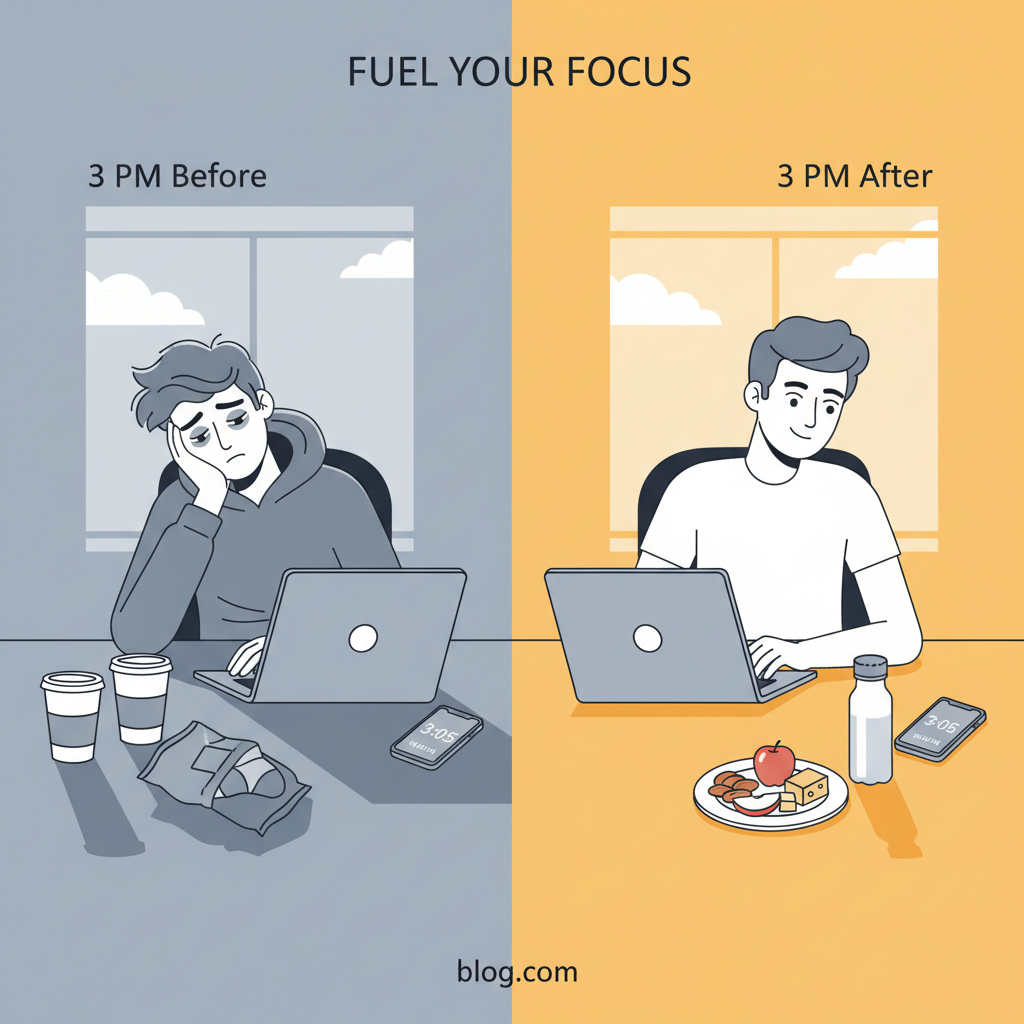
When My 3pm Crash Taught Me Everything About Timing
I used to hit a wall every single afternoon at 3pm. Like clockwork, my brain would fog up and I'd be desperately eyeing the coffee machine. For months, I blamed my workload or lack of sleep.
Then I started logging what I actually ate for lunch. Holy shit. I was basically eating dessert disguised as a meal - turkey sandwich on white bread, bag of chips, maybe some fruit. Pure sugar spike followed by the inevitable crash.
Once I could see the pattern in black and white, everything clicked. I switched to protein-heavy lunches with actual vegetables, and suddenly my afternoons didn't feel like I was swimming through molasses. The food log didn't judge me - it just showed me the truth I'd been ignoring.
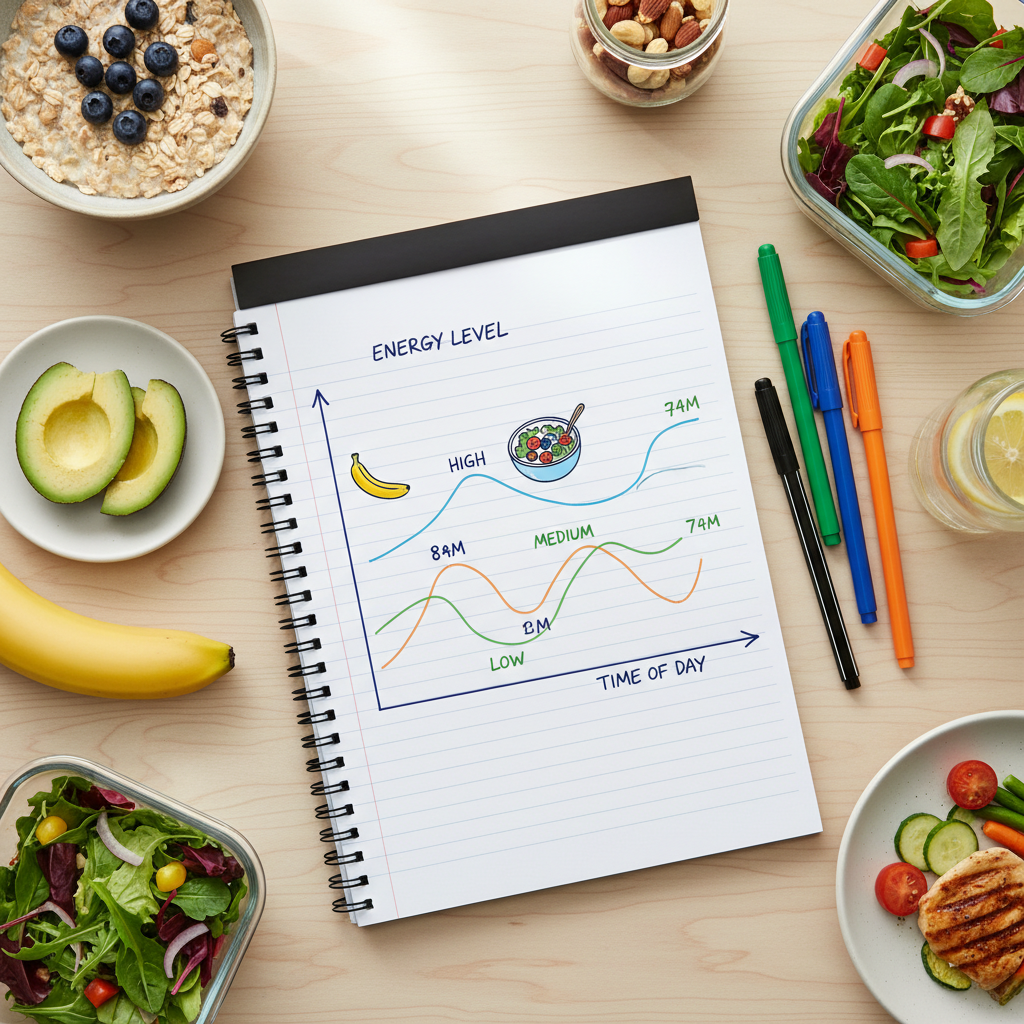
Why I Track Energy Patterns Instead of Calories
I used to obsess over calorie counting, but it taught me nothing about how food actually affected my day. A 300-calorie muffin and 300 calories of eggs with avocado hit completely differently - one left me crashing by 10 AM, the other kept me steady until lunch.
Now I track when my energy dips, what I ate beforehand, and how different foods make me feel over the next few hours. I've learned that my 3 PM slump usually traces back to a carb-heavy lunch, not lack of sleep like I thought. This approach helped me build meals that actually sustain me instead of just fitting some arbitrary calorie target that meant nothing for my actual performance.
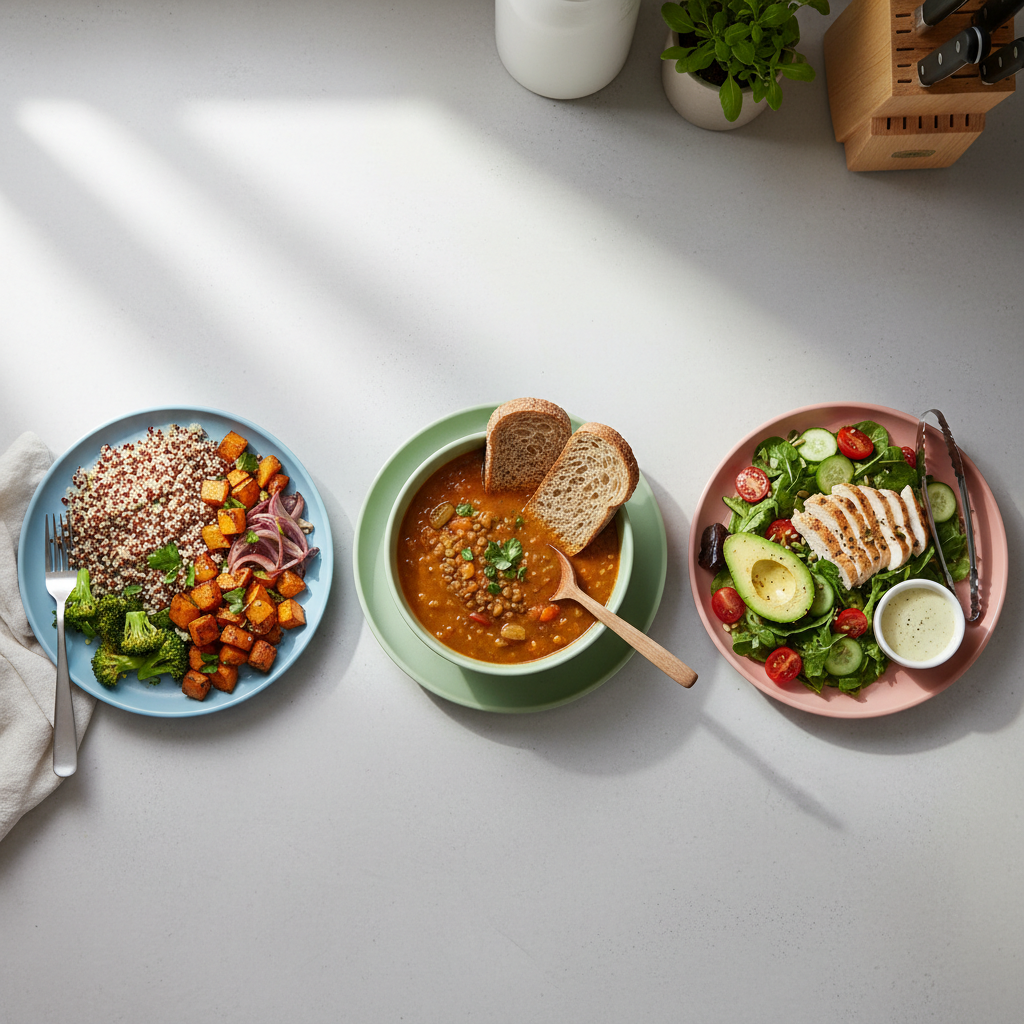
Three Meals That Actually Keep Me Going Until Dinner
Here's what I've learned works when I'm logging for energy, not restriction:
Morning: I need protein and fat that hits hard. Two eggs with avocado on sourdough, or Greek yogurt with nuts and berries. Coffee with real cream, not that watery stuff. This combination keeps me from face-planting into a bagel at 10 AM.
Lunch: Something substantial that doesn't make me sleepy. Chicken salad with chickpeas, or leftover dinner protein with roasted vegetables. I've found that skimping on lunch just makes me raid the snack cabinet later.
Afternoon fuel: Not really a meal, but I need something around 3 PM. Apple with almond butter, or a handful of trail mix. Just enough to bridge the gap without spoiling dinner.
The key? Each meal needs protein, healthy fats, and actual substance. Light salads are pretty, but they don't work.
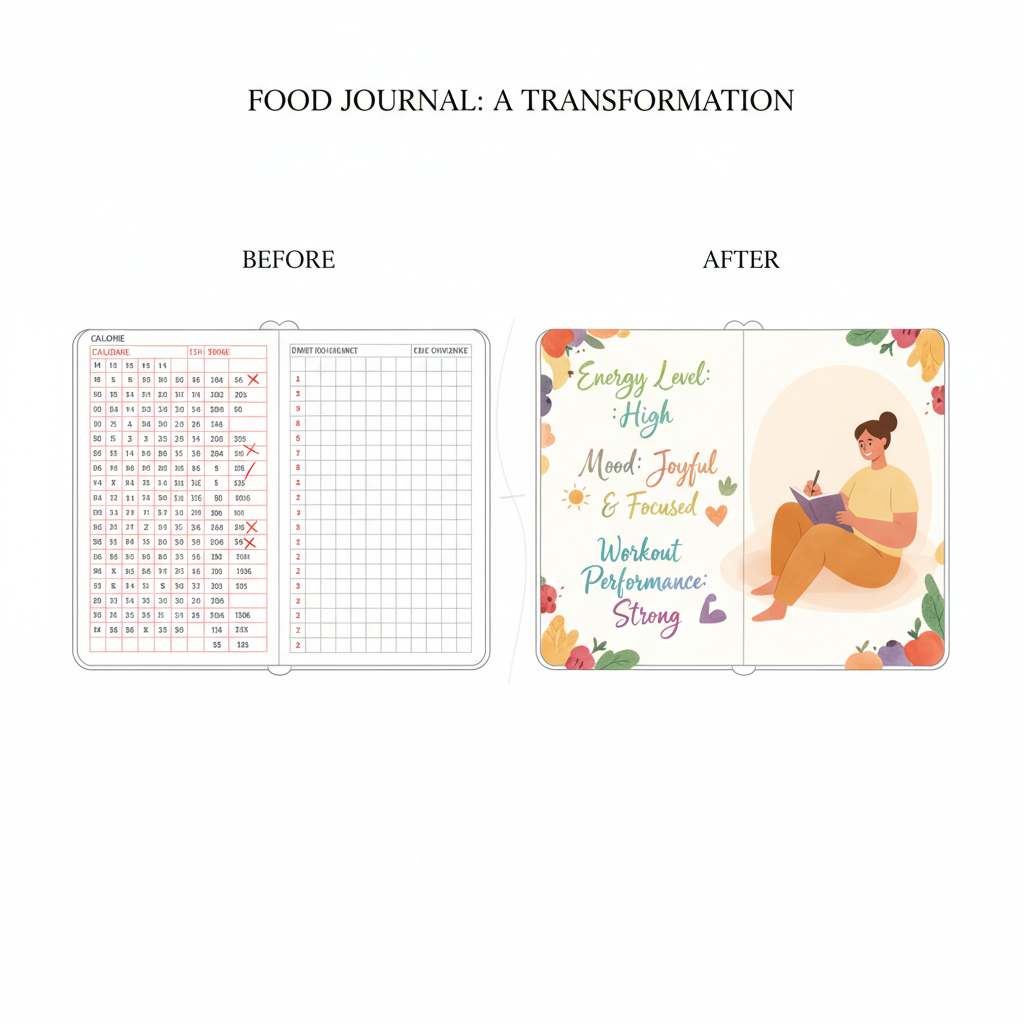
What Happens When You Eat for Performance, Not Weight Loss
Mistake: Skipping breakfast because you're "not hungry" I used to do this and crash by 10 AM. Now I eat something with protein within an hour of waking, even if it's just Greek yogurt. My energy stays steady until lunch.
Mistake: Eating the same sad desk salad every day That quinoa bowl might seem healthy, but if you're dragging by 3 PM, you need more substance. I started adding nuts, avocado, and actual protein. Game changer.
Mistake: Treating coffee as a meal replacement Your third espresso isn't fixing the fact that you haven't eaten since yesterday's dinner.
Frequently Asked Questions
Does food logging actually help with energy levels or is it just another wellness trend?
From what I've experienced, tracking what you eat absolutely makes a difference - but not in the way most people think. It's less about the logging itself and more about finally seeing patterns, like realizing that 3 PM crash always happens when I skip breakfast or eat a bagel instead of something with protein.
Is food logging for energy worth the time when you're not even trying to lose weight?
I'd say yes, but only if you keep it simple - I spend maybe 2 minutes a day jotting down what I ate and how I felt afterward. The payoff is huge because you start connecting dots between your meals and whether you feel like garbage or actually have sustained energy, which beats guessing why some days suck more than others.
Does this approach really work if you hate tracking food or have tried logging before and quit?
Look, if traditional food logging felt obsessive or diet-y to you, this is completely different - you're not counting calories or judging yourself, just noting "had oatmeal, felt good until 11 AM" or "grabbed chips at 4 PM, crashed hard." I've seen people who swore off any kind of food tracking actually stick with this because it's about feeling better, not restricting yourself.
The Real Game Changer
Here's what I'd do if I started over: track your energy dips, not your calories. When you notice that 3 PM crash, look back at what you ate for lunch. Your food log becomes a detective story where you're solving the mystery of sustained energy.
The golden nugget? Your body whispers before it screams.


