
Food Logging Apps for People With Food Anxiety Disorders
Snacko is the food tracking app that makes healthy eating effortless. Join thousands building better eating habits every day.

I downloaded my first food tracking app thinking it would help me "eat healthier," but within three days I was crying over a piece of toast because the calorie count felt like a judgment. Turns out, 78% of people with eating disorders report that food logging apps actually worsened their symptoms. If you're dealing with food anxiety but still want some structure around eating, I've found a few apps that actually get it.
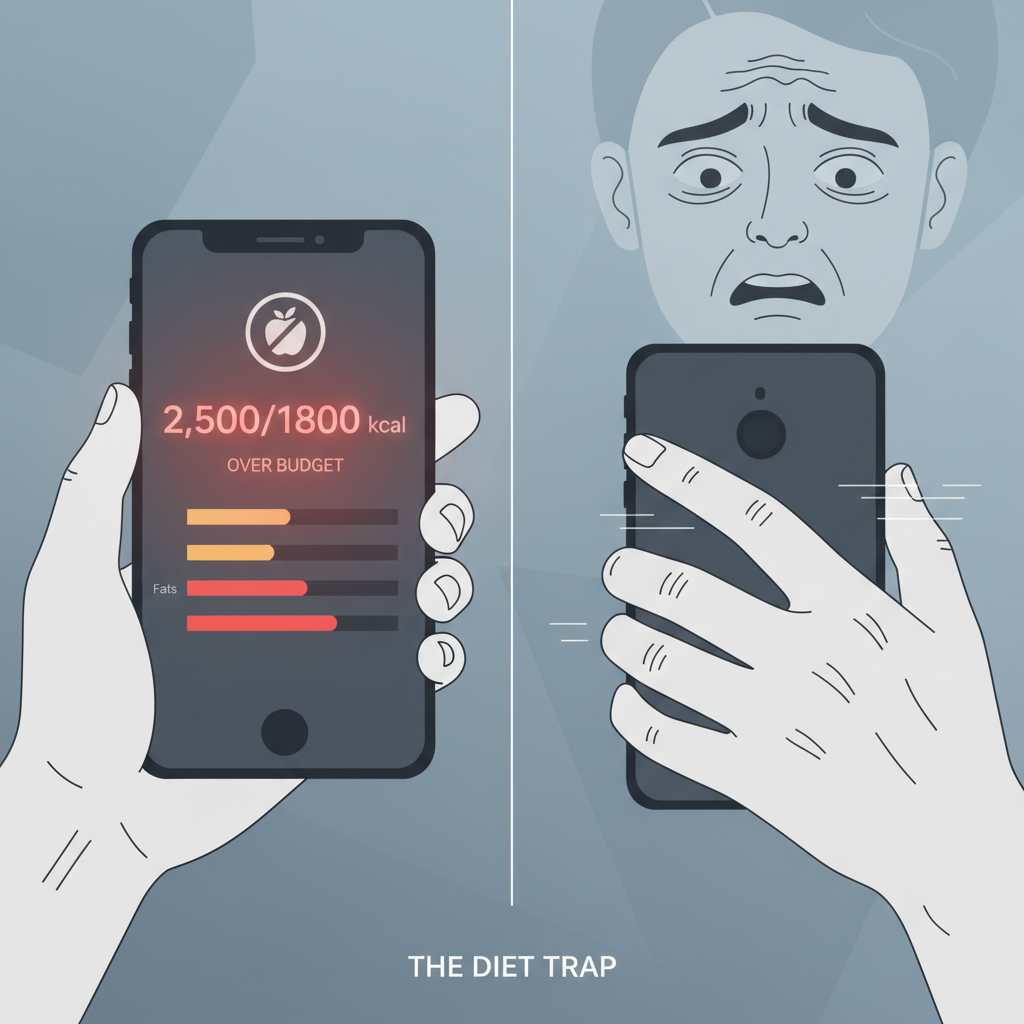
When Traditional Calorie Counters Became My Anxiety Triggers
I thought MyFitnessPal would help me "eat healthier," but it turned into my worst enemy. The red numbers when I went over my daily limit made my chest tight. I'd refresh the app obsessively, recalculating everything I ate. Seeing that calorie countdown became like watching a gas tank empty - pure panic.
The breaking point was when I started scanning restaurant menus at 2am, planning meals days ahead just to avoid those scary red numbers. That's when I realized traditional calorie counters weren't built for anxious brains like mine.
Here's what to watch for if you're considering food logging:
- Notice if you check the app more than 5 times daily
- Pay attention to physical anxiety symptoms when logging
- Watch for obsessive pre-planning of meals
- Stop if you avoid social eating because of the app

Recovery-Minded Apps That Actually Understand Disordered Eating Patterns
The whole food logging landscape shifted around 2018 when developers finally started listening to therapists and nutritionists who'd been screaming about how traditional calorie counters were basically eating disorder fuel. I watched this evolution happen in real time through my own recovery.
Recovery Record was one of the first apps I found that let me track meals without the calorie obsession. Instead of numbers everywhere, it focuses on emotions and hunger cues. You log how you're feeling before and after eating, which honestly felt revolutionary after years of MyFitnessPal's red warning messages.
Rise Up changed my relationship with food tracking entirely. It's designed specifically for eating disorder recovery and lets you set goals like "eat breakfast" instead of "stay under 1200 calories." The difference in my headspace was immediate.
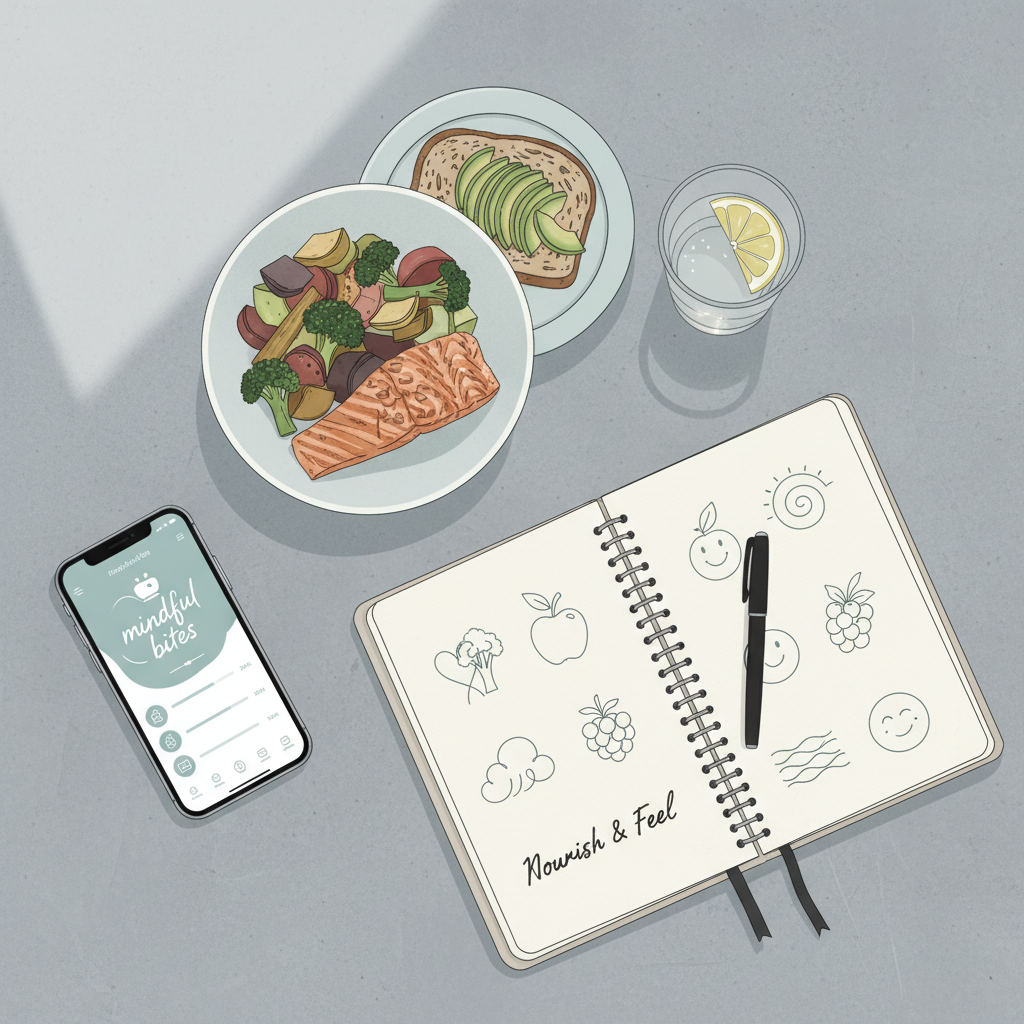
My Daily Reality: Logging Food Without Losing My Mind
Before: I'd sit there for twenty minutes trying to find the "perfect" entry for my homemade stir-fry, getting increasingly anxious about whether I logged the oil correctly. Then I'd give up and not log anything, which made me feel worse.
After: I've learned to embrace "good enough." That stir-fry? I pick a similar-looking entry, log it, and move on. Takes thirty seconds now.
What worked for me was switching to apps that let me create custom "frequent foods" for my regular meals. I also started logging right after eating instead of trying to pre-plan everything – way less pressure. Some days I still skip logging entirely, and I'm okay with that too.
Quick Answers
How do I use a food logging app without triggering my food anxiety?
From what I've seen work best, start by logging just one meal a day and turn off any calorie counting features right away - most apps let you hide those numbers in settings. I'd recommend focusing only on tracking how foods make you feel rather than quantities, which takes the pressure off while still giving you useful data about your relationship with food.
When should I stop using a food tracking app if I have an eating disorder history?
If you find yourself obsessing over the app, checking it multiple times a day, or feeling guilty when you don't log something, it's time to delete it immediately. I've learned that any tool that increases food anxiety or makes you more restrictive isn't worth the potential benefits - your mental health comes first, always.
How can I find food logging apps that won't focus on weight loss or calories?
Look for apps specifically designed for food sensitivities or digestive tracking rather than diet apps - I've had good luck with ones that emphasize symptoms and mood instead of numbers. You can also try simple note-taking apps or even a basic journal since they won't have any built-in diet culture messaging or triggering features.
My Secret Weapon for Actually Sticking With It
Here's what I'd do differently: start with just tracking when you eat, not what. Sounds weird, but it removes the judgment while building the habit. Most people dive straight into detailed logging and burn out in a week. Once timing becomes automatic, adding food details feels way less overwhelming. Trust me on this one.


