
How to Log Meals Without Developing Food Anxiety or Guilt
Snacko is the food tracking app that makes healthy eating effortless. Join thousands building better eating habits every day.

Here's something wild I've noticed: about 40% of people who start tracking their food end up more anxious about eating than when they began. I've watched friends turn meal logging into a daily stress spiral, where every bite becomes a moral judgment. But here's the thing – it doesn't have to be that way. Food tracking can actually feel pretty neutral, maybe even helpful, when you approach it right.
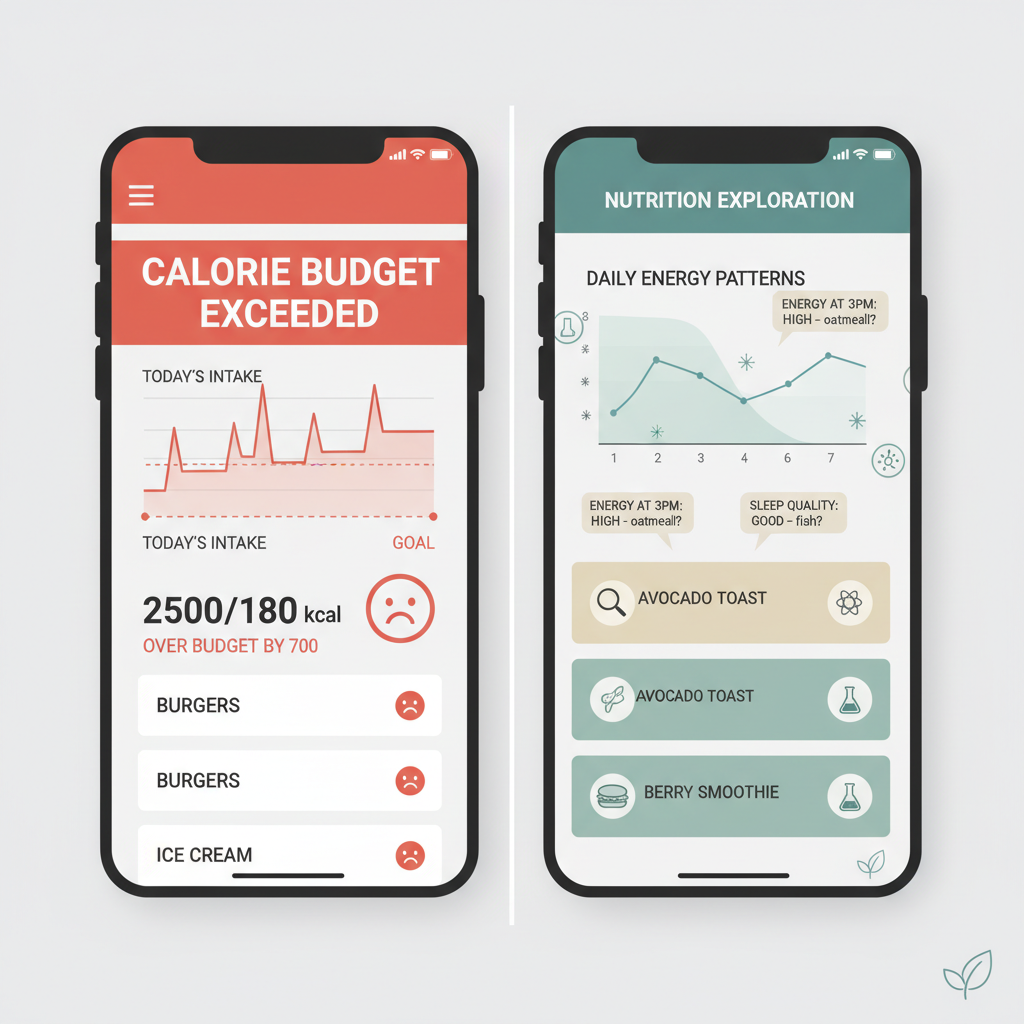
Turn Your Food Log Into a Science Experiment, Not a Report Card
I've learned the hard way that food logs can become weapons of self-judgment if you're not careful. The shift that changed everything for me was treating my log like a curious scientist instead of a harsh teacher.
Instead of "I was bad and ate pizza," I write "Had pizza at 2pm after skipping lunch - felt sluggish around 4pm." Now I'm collecting data, not confessing sins. When I notice patterns like getting hangry every Tuesday afternoon, I can experiment with solutions rather than beating myself up.
The goal isn't perfect eating - it's understanding your body's patterns so you can make tweaks that actually work.
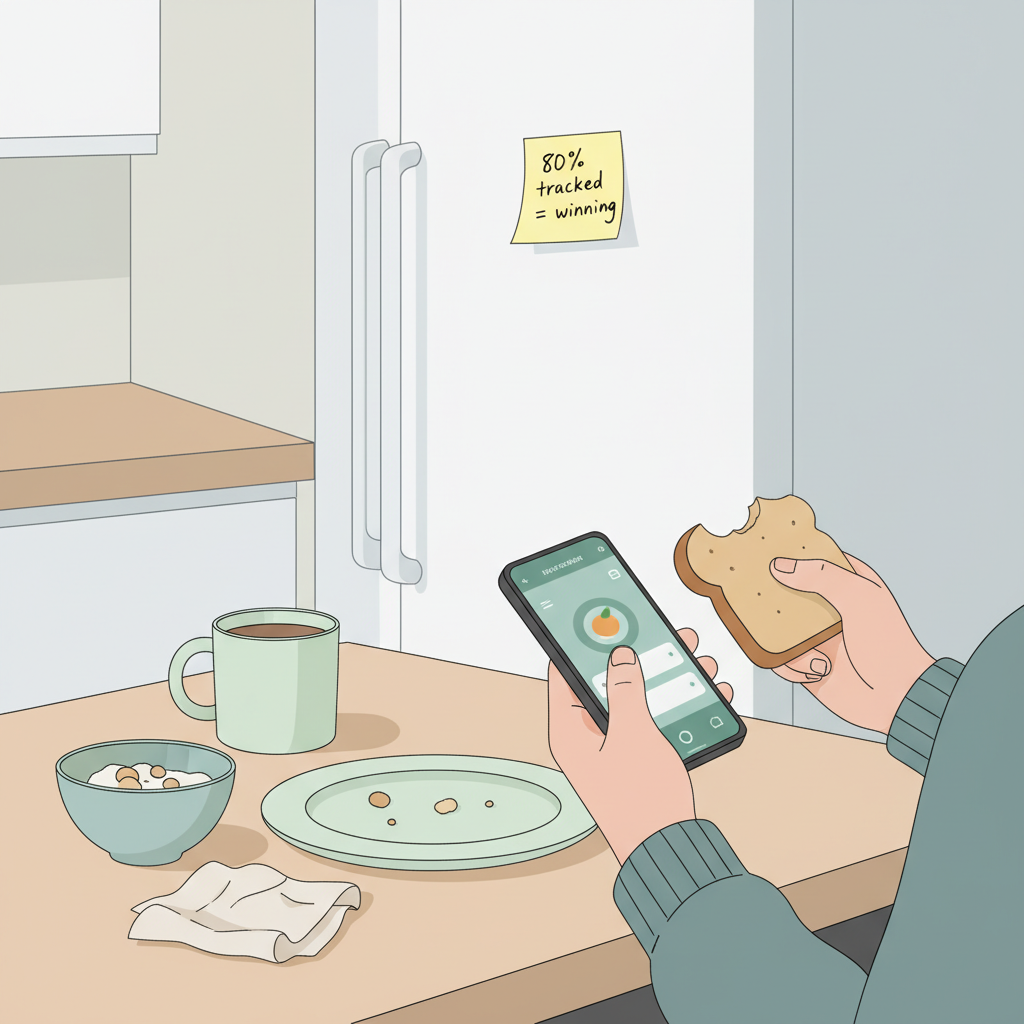
The 80/20 Logging Rule That Saved My Sanity
Option A: Log every single thing that passes your lips, down to the three almonds you grabbed while cooking dinner and that half spoonful of peanut butter you "tested."
Option B: Log your main meals and snacks consistently, but let the tiny stuff slide. Focus on capturing 80% of what you eat rather than obsessing over perfection.
I went with Option B after spending way too many evenings frantically trying to remember if I'd logged the bite of my kid's sandwich I took at lunch. The constant mental inventory was exhausting.
What I've found is that those little tastes and samples rarely make or break your day nutritionally. But the anxiety of trying to capture every crumb? That definitely breaks your sanity. Now I log my breakfast, lunch, dinner, and any actual snacks. Everything else gets a mental shrug.
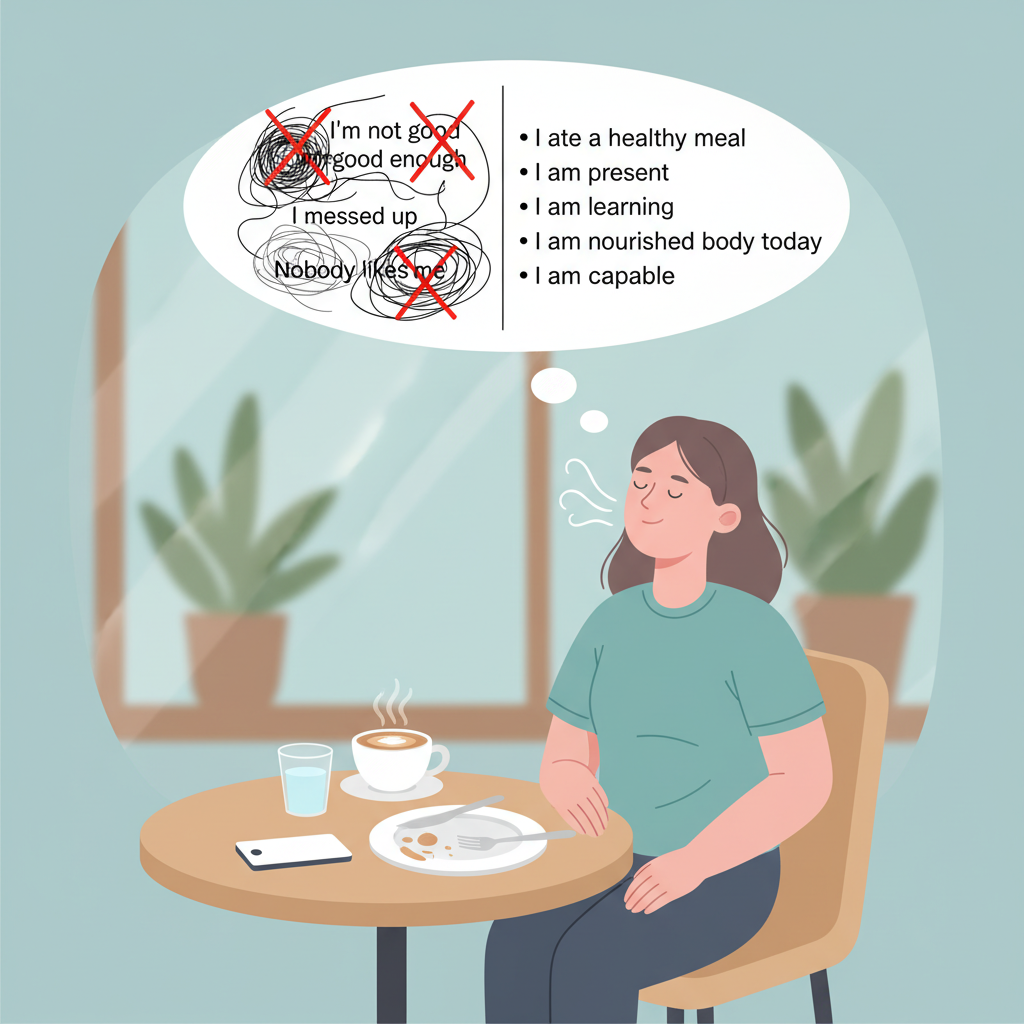
What to Do When the Little Voice Says 'You Ate Too Much'
I've been there—logging that second slice of pizza and feeling my stomach drop. Here's what actually helps:
Talk back to the voice. I literally tell mine: "Thanks for sharing, but one meal doesn't define my health." Sounds weird, but it works.
Look at your week, not your day. That Thursday when I ate half a cheesecake? My weekly average was still fine. The app shows this if you actually look.
Remember why you're logging. I'm tracking to understand patterns, not to punish myself. When guilt creeps in, I remind myself: data, not judgment.
Delete and move on if needed. Sometimes I'll log something, feel terrible, and just delete the entry. The food police won't arrest me.
Your worth isn't measured in calories logged.
Frequently Asked Questions
Should I log every single thing I eat, even tiny bites and tastes?
Nope, and this is where a lot of people go wrong right out of the gate. I'd say log your actual meals and snacks, but skip the random bite of your kid's sandwich or that sample at Costco - obsessing over every crumb is a fast track to making food logging feel like prison.
What do I do when I completely forget to log a meal and feel like I've "ruined" my tracking?
Just log it when you remember, even if it's the next day, and move on - I've seen people abandon logging entirely because they missed one meal and felt like failures. The goal is building a habit, not achieving perfect data, so treat forgotten meals like you'd treat forgetting to brush your teeth one morning (annoying but not catastrophic).
How do I handle logging when I eat something "unhealthy" without spiraling into shame?
I always tell people to log it with the same energy you'd log an apple - just neutral data entry, no moral judgment attached to the food. If you find yourself typing angry notes like "ugh, shouldn't have eaten this," you're turning your food log into a confession booth, which defeats the whole purpose of tracking without guilt.
Your One-Week Promise
Here's what I'd ask: commit to logging meals for just one week without any judgment. No "good" or "bad" labels—just data. Think of it like tracking your sleep or steps.
Your relationship with food deserves the same kindness you'd show a friend.


