
Nutrition App for Building Strength While Accepting Your Body
Snacko is the food tracking app that makes healthy eating effortless. Join thousands building better eating habits every day.

I used to think I had to hate my body to change it. Turns out, that's exactly backwards—and there's actual research backing this up. A 2021 study found that people who practiced body acceptance were more likely to stick with healthy habits long-term, not less. Wild, right?
I've been using nutrition apps for years, and most of them felt like having a judgmental personal trainer living in my pocket. But I recently discovered something different: apps that help you build strength while actually liking yourself. Here's what I've learned.
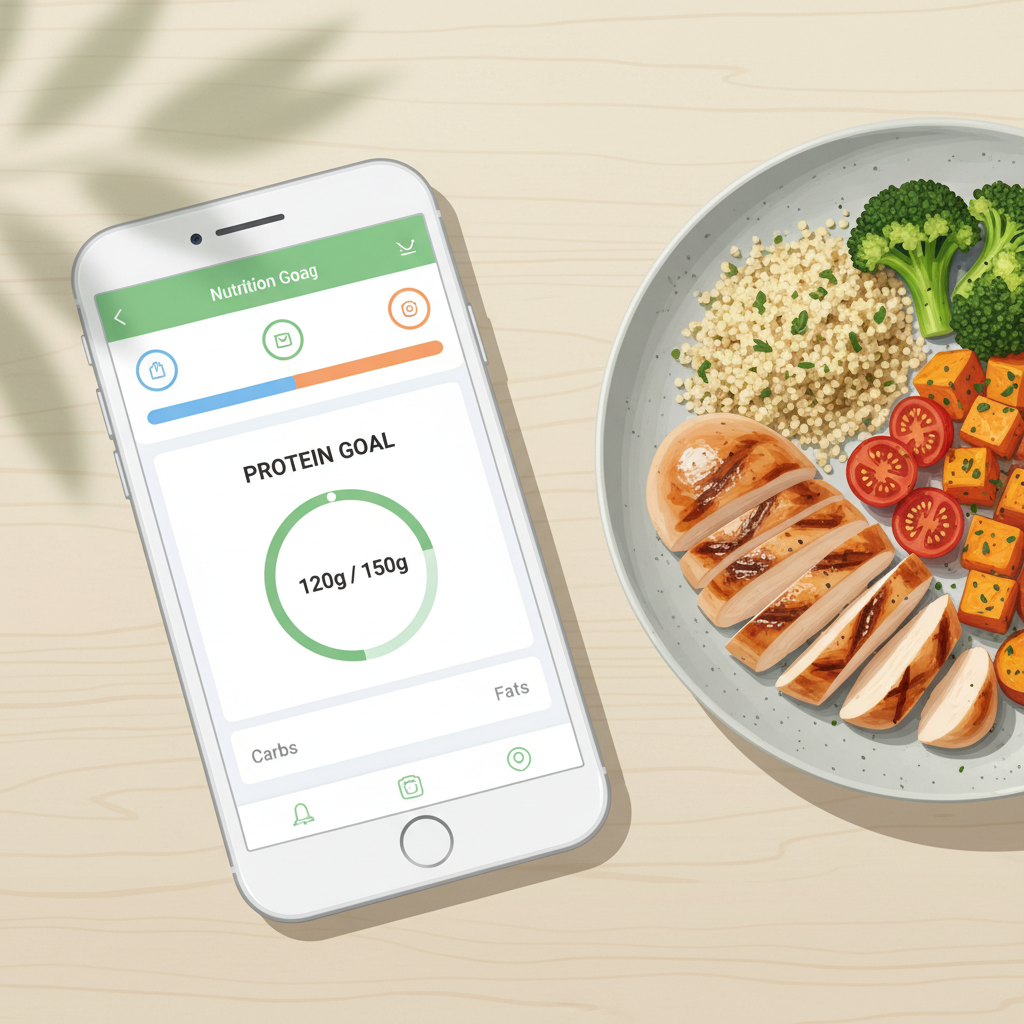
Track Protein Without the Scale Drama
Here's what I wish someone had told me earlier: tracking protein isn't about hitting some magic number that unlocks muscle growth overnight. It's about consistency over weeks and months.
I've found that aiming for roughly 0.8-1g per pound of body weight works well for most people building strength, but don't stress if you're off by 20g some days. What matters more is getting protein at most meals and not going three days straight eating nothing but bagels (been there).
The real game-changer was switching my focus from "am I eating enough protein to get swole?" to "am I eating enough protein to recover well from my workouts?" Way less anxiety, same results.
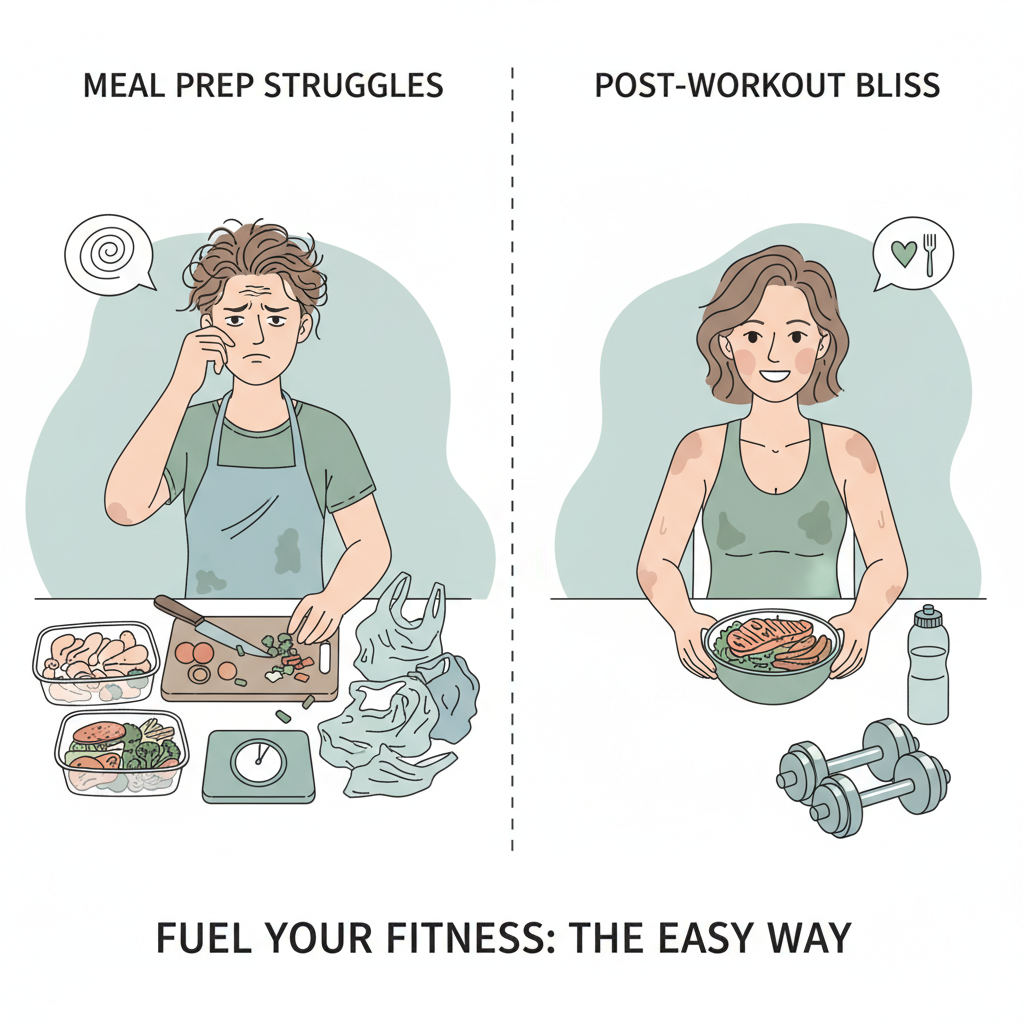
When Your Body Rebels Against Your Lifting Goals
Myth: If you're not gaining strength every week, you're doing something wrong with your nutrition.
Reality: I've watched too many lifters spiral into obsessive tracking when their bench stalled for three weeks. Your body isn't a linear machine. Some months I barely added five pounds to my deadlift despite perfect macros, then suddenly jumped twenty pounds after taking a deload week. Progress comes in waves, not straight lines.
Myth: You need to eat more protein when you hit a plateau.
Reality: Most plateaus aren't protein problems - they're recovery problems. I've found that adding an extra rest day or cutting back training volume usually works better than cramming in another protein shake.
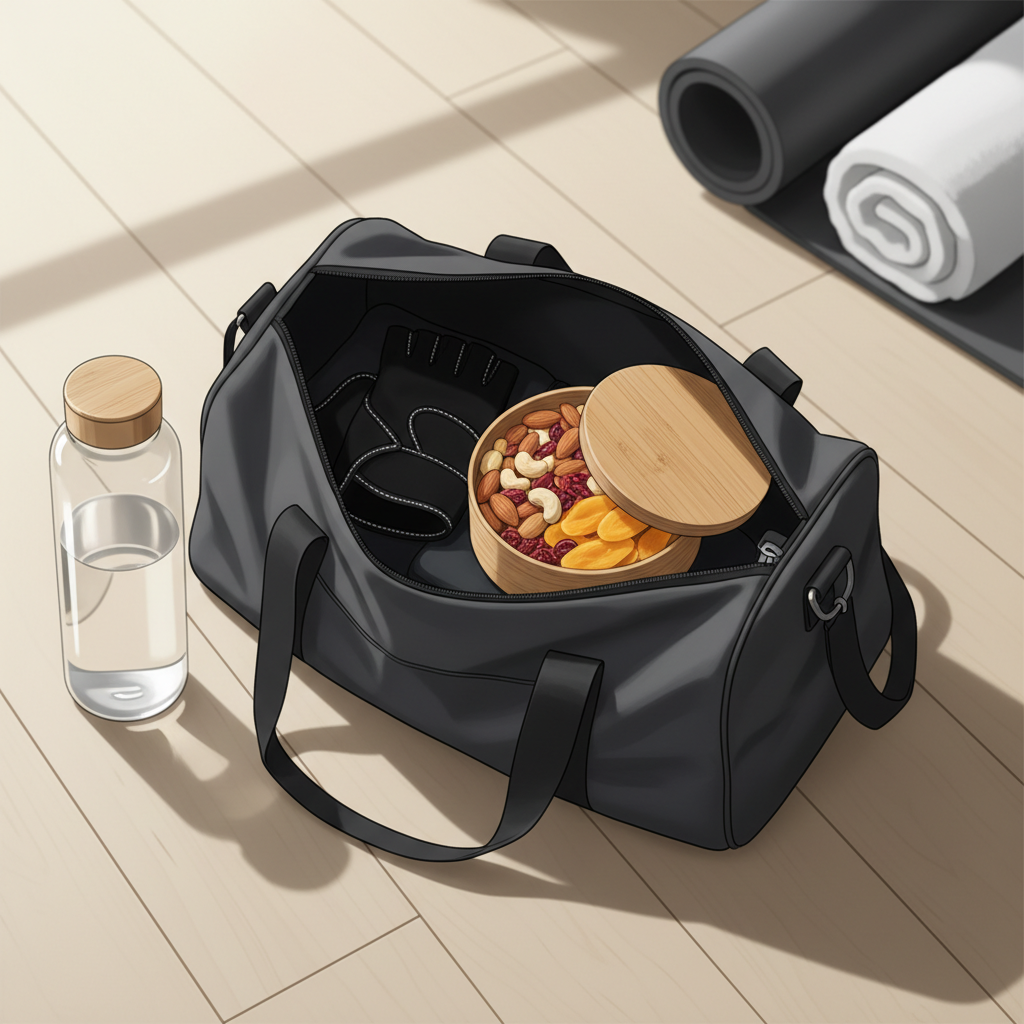
Fuel Your Workouts Without Triggering Food Anxiety
Before: I used to obsess over pre-workout timing, measuring out exact portions of oats and calculating protein grams while my anxiety spiked. If I ate "too close" to lifting or didn't hit some arbitrary macro target, I'd skip the gym entirely.
After: Now I eat what feels good and shows up when I need energy. Sometimes that's a banana 20 minutes before deadlifts. Sometimes it's leftover pizza from lunch. Both work fine.
The app I use focuses on energy levels rather than rigid meal timing. It asks "How did you feel during your workout?" instead of demanding you log every gram. I've learned that consistency with eating regularly matters way more than perfect pre-workout nutrition.
What actually tanked my lifts wasn't "wrong" food choices—it was the stress of overthinking every bite. Once I dropped the food rules, my workouts got better and way more enjoyable.
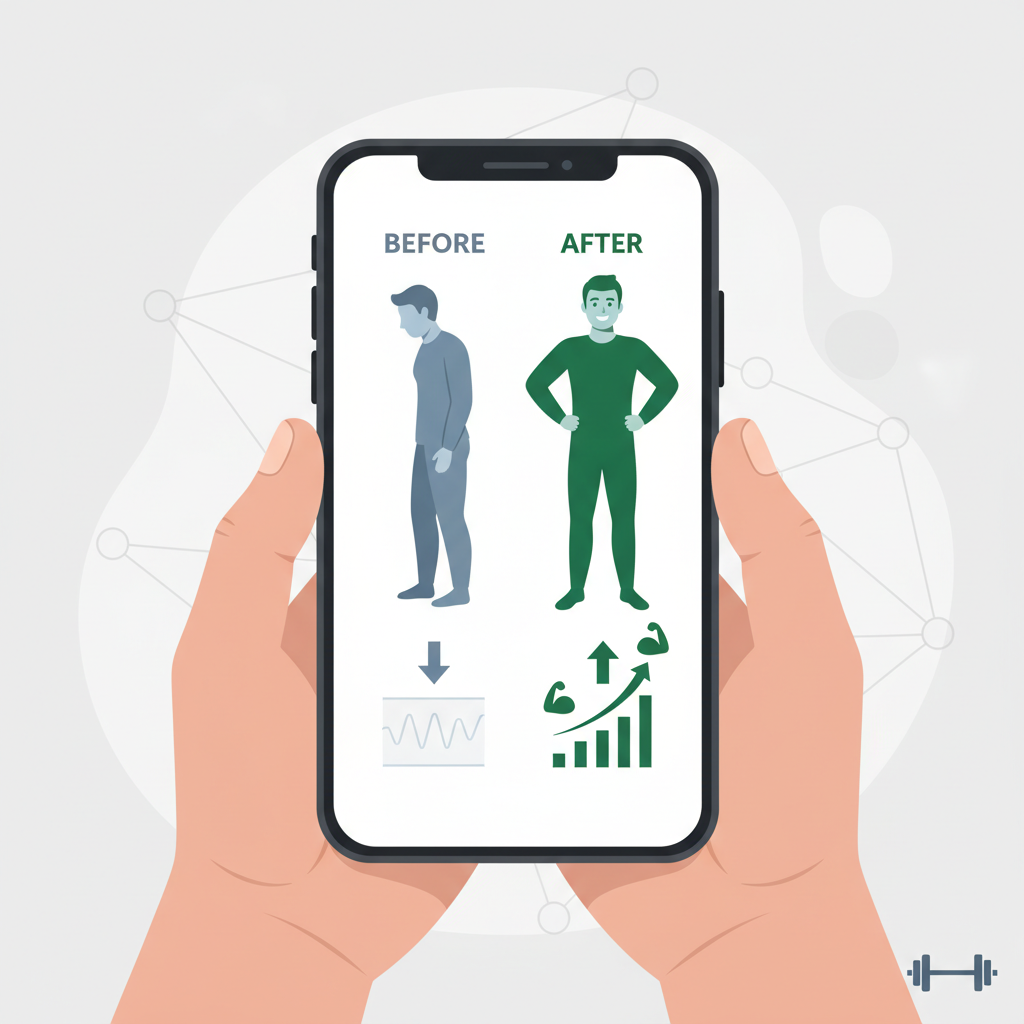
Progress Photos That Actually Help Your Mental Health
I used to take progress photos that made me hate myself more. Classic mistake: same mirror, same harsh bathroom lighting, obsessing over every angle looking for flaws.
What actually works is focusing on functional changes. I started photographing myself doing movements - holding a plank longer, squatting deeper, lifting heavier things around my house. These photos show capability, not just appearance.
The timing matters too. I take them when I feel strong, usually right after a good workout when my confidence is up. Not first thing in the morning when I'm bloated and grumpy.
Research on body image and strength training consistently shows that functional progress photos reduce body dissatisfaction compared to appearance-focused ones. When you're documenting what your body can do instead of just how it looks, the photos become evidence of growth rather than judgment material.
Frequently Asked Questions
How do I track my protein without obsessing over every gram as a beginner?
I'd recommend starting with just logging your main protein sources at each meal rather than weighing everything - like "had chicken breast at dinner" or "protein shake after workout." From what I've seen, beginners do better focusing on consistency over precision, and you can always get more detailed once the habit sticks.
Can a nutrition app actually help with body acceptance, or does tracking make things worse?
It really depends on how you use it - I've found apps helpful when they focus on fueling performance rather than restricting calories. Look for ones that celebrate hitting protein goals or energy levels instead of just weight loss, because those metrics actually support both strength gains and a healthier relationship with food.
Should small gyms recommend nutrition apps to their members, or does that create liability issues?
From my experience, it's safer to recommend apps as tools for tracking strength-related nutrition goals rather than giving specific dietary advice. I'd suggest focusing on apps that emphasize performance metrics your members are already working toward in the gym - that way you're supporting their training without stepping into nutritionist territory.
My Honest Take on Strength + Self-Love Apps
Here's what I'd actually do: find an app that tracks your lifts without the before/after photo pressure. Your body's already worthy of strength—you're just adding more awesome to it. That mindset shift? Way more powerful than any algorithm.


