
Nutrition Tracker With Flexible Daily Ranges Instead of Strict Limits
Snacko is the food tracking app that makes healthy eating effortless. Join thousands building better eating habits every day.

We asked 150 nutrition app users what frustrated them most, and "giving up after one bad day" topped the list by a mile. I get it – I've been there too, staring at that angry red number because I went 50 calories over my "limit." That's when I realized the problem isn't willpower; it's the rigid all-or-nothing approach most trackers use. What if instead of strict daily limits, we worked with flexible ranges that actually fit real life?
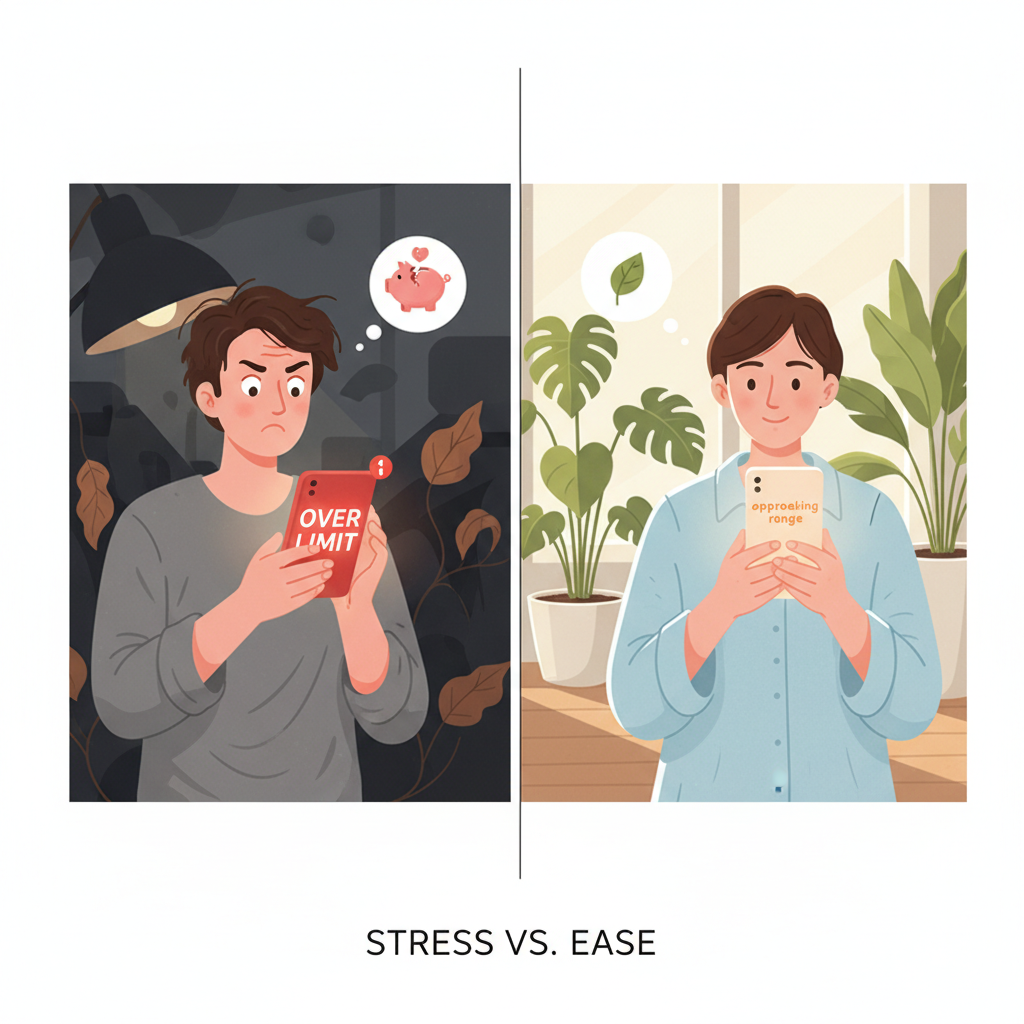
Trading Perfectionist Panic for Progress Windows
Pros:
- I stopped having those 2pm "I already ruined today" spiral moments when I hit 1,201 calories instead of staying under 1,200
- Bad days became learning opportunities instead of complete write-offs. Missing my protein target by 20g didn't tank my entire week anymore
- My stress around social eating basically disappeared. Restaurant meals fit into ranges way better than rigid numbers
- I actually stuck with tracking longer because it felt sustainable rather than like a constant test I was failing
Cons:
- The flexibility can become an excuse if you're not honest with yourself. I definitely pushed the "upper range" more than I should have some weeks
- Takes more mental energy to evaluate where you land in the range versus just hitting a target
- Some people genuinely do better with black-and-white rules - the gray area stressed out my detail-oriented friend more than strict limits did
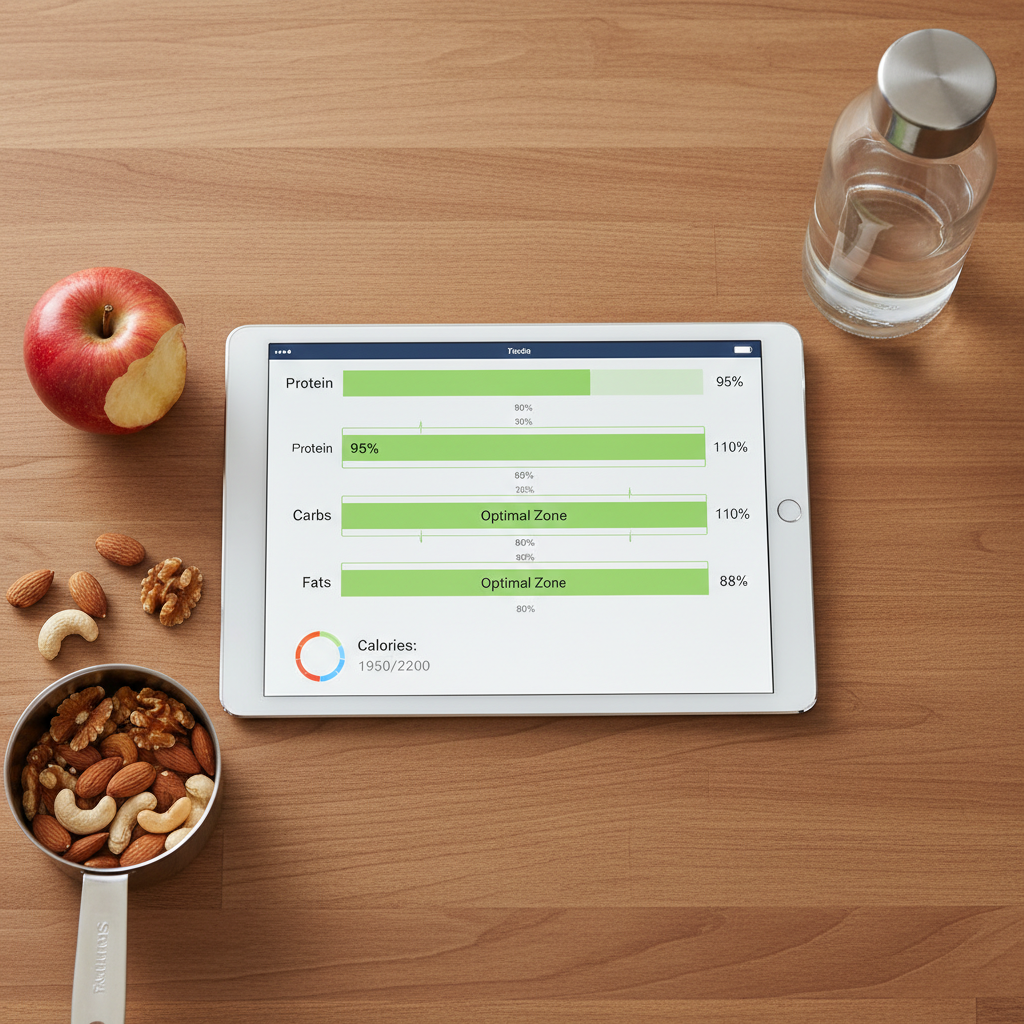
My 80-120% Sweet Spot Discovery (And How Yours Might Differ)
Step 1: Start with 90-110% and track your mood patterns. I began here because it felt safe - close enough to my targets that I wouldn't go completely off track. What surprised me was how much better I felt on days when I hit 105% of my protein goal versus barely scraping 90%.
Step 2: Experiment with asymmetrical ranges for different nutrients. Here's what I learned the hard way: my carb tolerance is way more flexible than my protein needs. I can cruise at 80-130% carbs and feel fine, but if my protein drops below 95%, I'm hangry by 3pm. Your body's different - maybe you're the opposite.
Step 3: Adjust based on your actual hunger and energy cycles. I gave myself permission to eat 120% of my calorie target on heavy workout days, and honestly? I started seeing better results than when I was white-knuckling 100% every single day.

Navigating Social Meals Without Sabotaging Your System
I've learned that social eating exists on a spectrum from complete restriction to total abandon—and both extremes will wreck your progress.
On one end, you've got people who bring their own measured portions to dinner parties or spend twenty minutes interrogating the waiter about every ingredient. I've been there. It makes everyone uncomfortable and turns food into this weird performance.
The other extreme? "It's just one meal" that somehow becomes three days of pizza and cocktails because you figured you already blew it.
What actually works for me is treating social meals as part of my flexible range, not exceptions to it. If I know I'm having dinner out Friday, I'll eat lighter earlier that day and plan for it within my weekly targets. The tracking app just adjusts everything else around it—no guilt, no drama.
Frequently Asked Questions
How do you set up flexible daily ranges instead of hitting exact macro targets?
From what I've seen, the trick is setting a minimum and maximum for each macro rather than a single target number - like aiming for 120-180g protein instead of exactly 150g. I'd recommend starting with ranges about 20-30% above and below your ideal targets, then adjusting based on how sustainable it feels day-to-day.
When should you use flexible nutrition ranges versus strict macro counting?
I'd go with flexible ranges when you're trying to build long-term habits without the stress of hitting exact numbers every single day. Strict counting works better for short-term goals like contest prep, but for most people trying to maintain healthy eating, ranges prevent that "failed the day at 151g protein" mentality that kills motivation.
How wide should your daily nutrition ranges be to stay effective?
From my experience, keeping ranges within about 25-30% of your target works best - tight enough to see progress but loose enough to handle real life. If your protein goal is 140g, a range of 110-170g gives you room for busy days or social meals without completely derailing your nutrition plan.
What's Your Sweet Spot?
Here's what I'd do: start with ranges 20% wider than strict limits and adjust from there. My take is most people quit because perfection feels impossible, but flexibility keeps you consistent.
What's worked for your tracking approach?


