
Calorie Tracker Safe for People With History of Disordered Eating
Snacko is the food tracking app that makes healthy eating effortless. Join thousands building better eating habits every day.

Here's what nobody talks about when it comes to calorie tracking apps: the timing of when you discover them matters more than the app itself. I've watched people in recovery stumble across MyFitnessPal during a vulnerable moment and spiral, while others use the exact same app as a helpful tool months later. The difference isn't the technology—it's where you are in your healing journey.
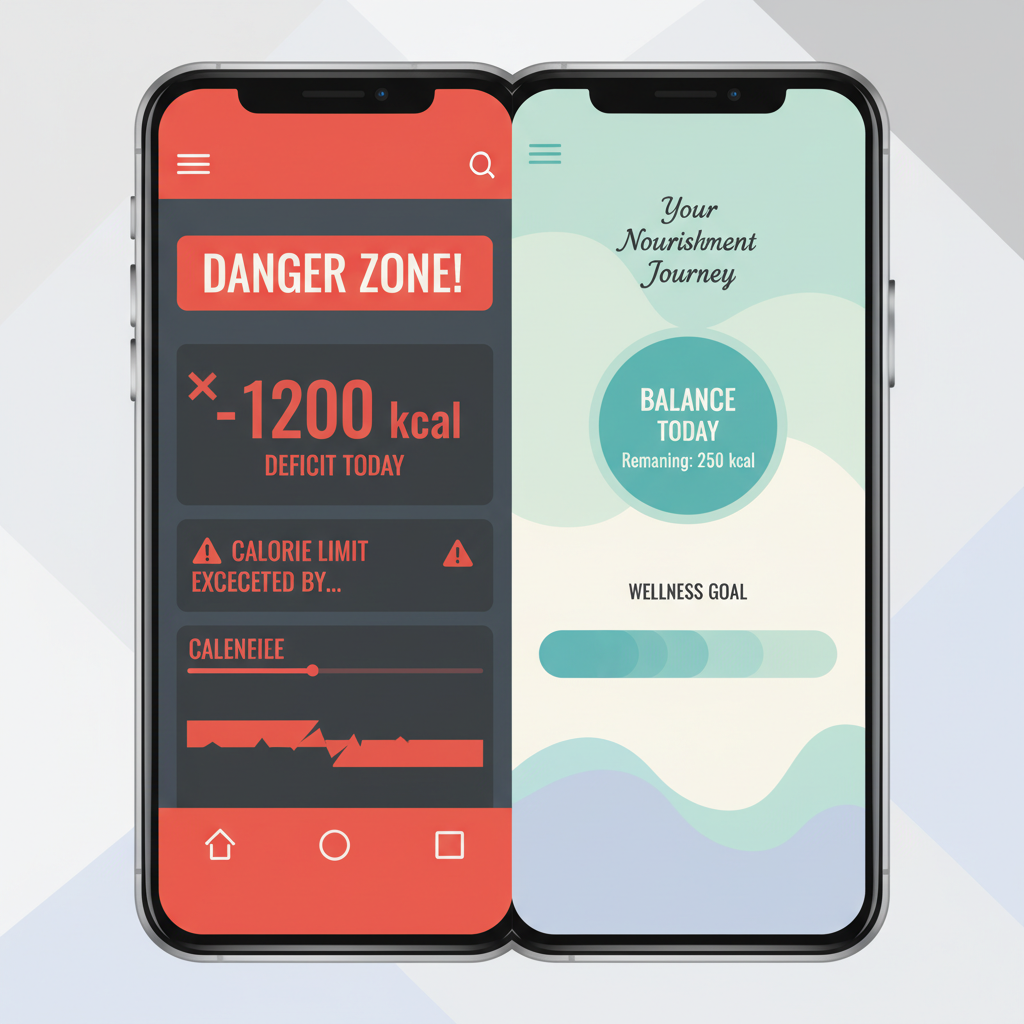
Red Flags Your App Might Be Triggering Restrictive Patterns
I've learned to watch for specific warning signs that an app is pulling me back toward restriction. If I'm checking the app obsessively throughout the day or feeling anxious when I can't log something immediately, that's trouble. The biggest red flag? When I start making food decisions based purely on numbers rather than hunger or satisfaction.
Another pattern I recognize: avoiding social situations because I can't accurately track what I'll eat there. Or worse, when I catch myself feeling genuinely proud about eating under my calorie goal consistently. These behaviors might seem "healthy" on the surface, but they're actually restriction wearing a wellness mask.
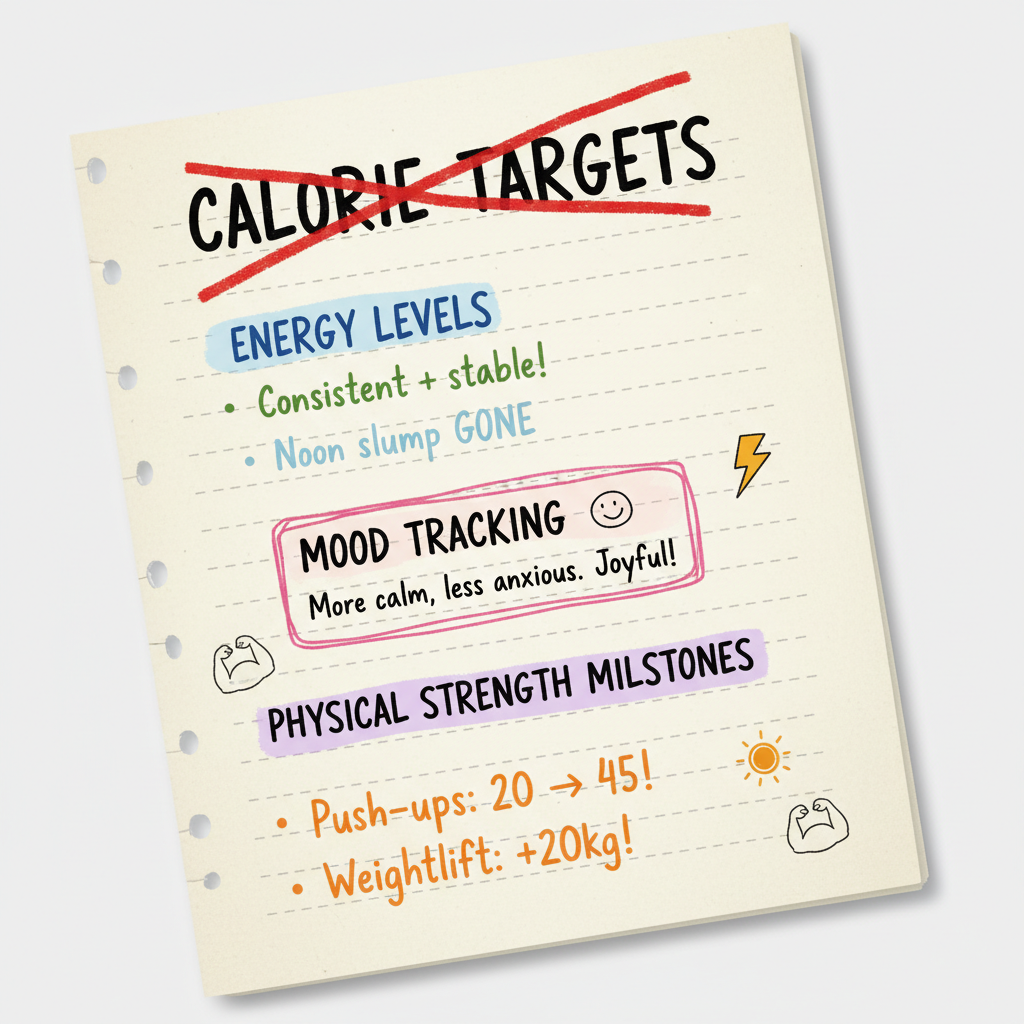
Setting Recovery-Aligned Goals Beyond Weight Loss Numbers
I've learned the hard way that traditional weight loss goals can send you straight back into disordered eating patterns. Instead of "lose 10 pounds," I focus on what I call recovery-aligned goals - objectives that support your relationship with food rather than obsessing over numbers.
Performance goals work really well for me: "I want to have energy for my afternoon walks" or "I want to sleep better." These connect eating to how you feel, not what you weigh.
Behavioral goals are another safe bet: "I'll eat breakfast every day this week" or "I'll pack lunch instead of skipping meals." These build healthy habits without the scale drama.
Intuitive eating milestones like "I want to recognize my hunger cues" give you something meaningful to track. The app becomes a tool for awareness, not punishment.
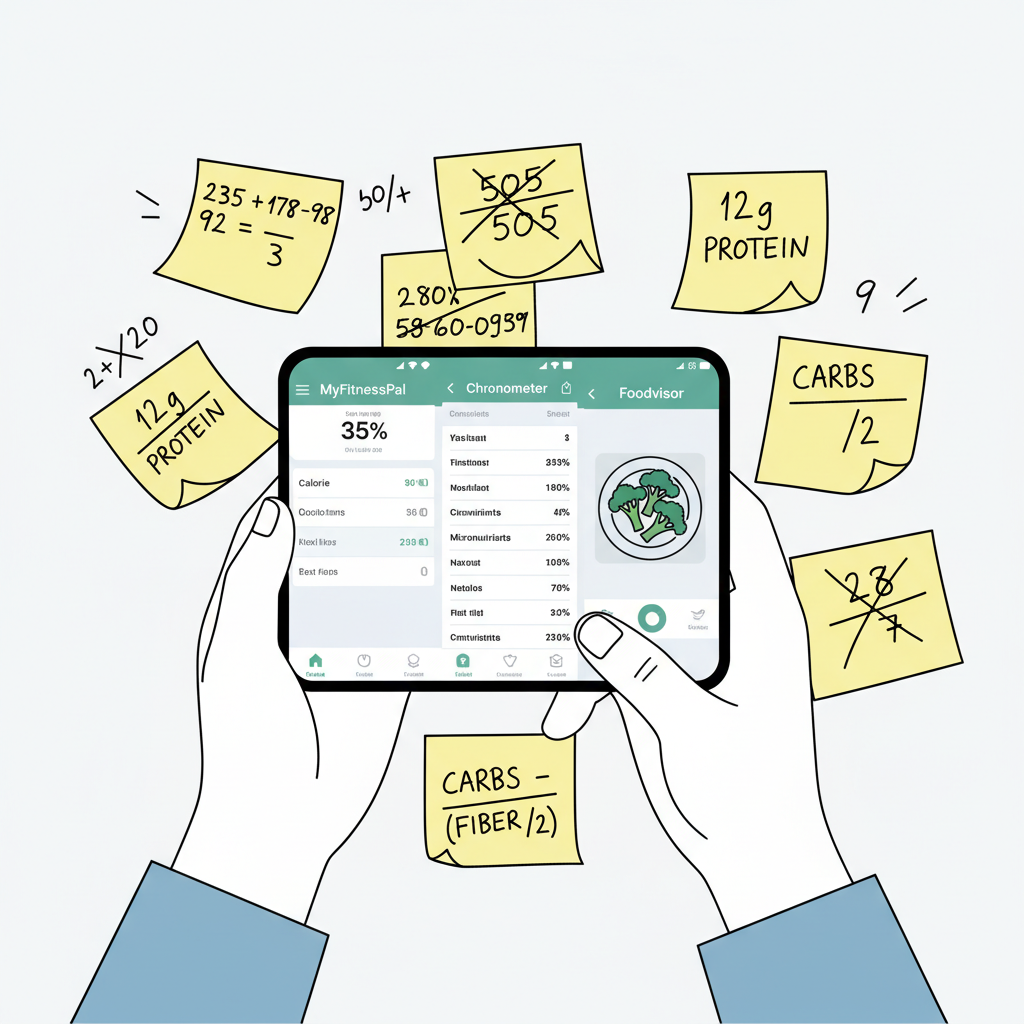
When Daily Logging Becomes Compulsive: Recognizing Your Breaking Point
I've learned the hard way that there's a fine line between helpful tracking and obsessive logging. The warning signs I watch for now? When I catch myself re-entering the same meal three times because I'm not sure I logged it "perfectly," or when I'm genuinely distressed about forgetting to log my morning coffee.
The breaking point usually hits when you're logging becomes more important than the actual eating. If you're weighing lettuce leaves or feeling genuine panic about eating something without knowing its exact calories, that's your cue to step back. Your relationship with the app has flipped from tool to master.

Building Your Support Network Before Download Day
I learned this the hard way: having your people lined up before you install any tracking app is non-negotiable. You need at least one person who can call you out when you're spiraling into obsessive behavior.
My therapist was obvious choice number one, but I also told my roommate what I was doing and why. She became my reality check when I started weighing everything twice or logging the same snack three times. Your support person doesn't need to understand eating disorders deeply - they just need to recognize your specific warning signs.
I also joined an online recovery community where people actually get it. When the app triggered my old "good food/bad food" thinking, having somewhere to vent without judgment made all the difference.
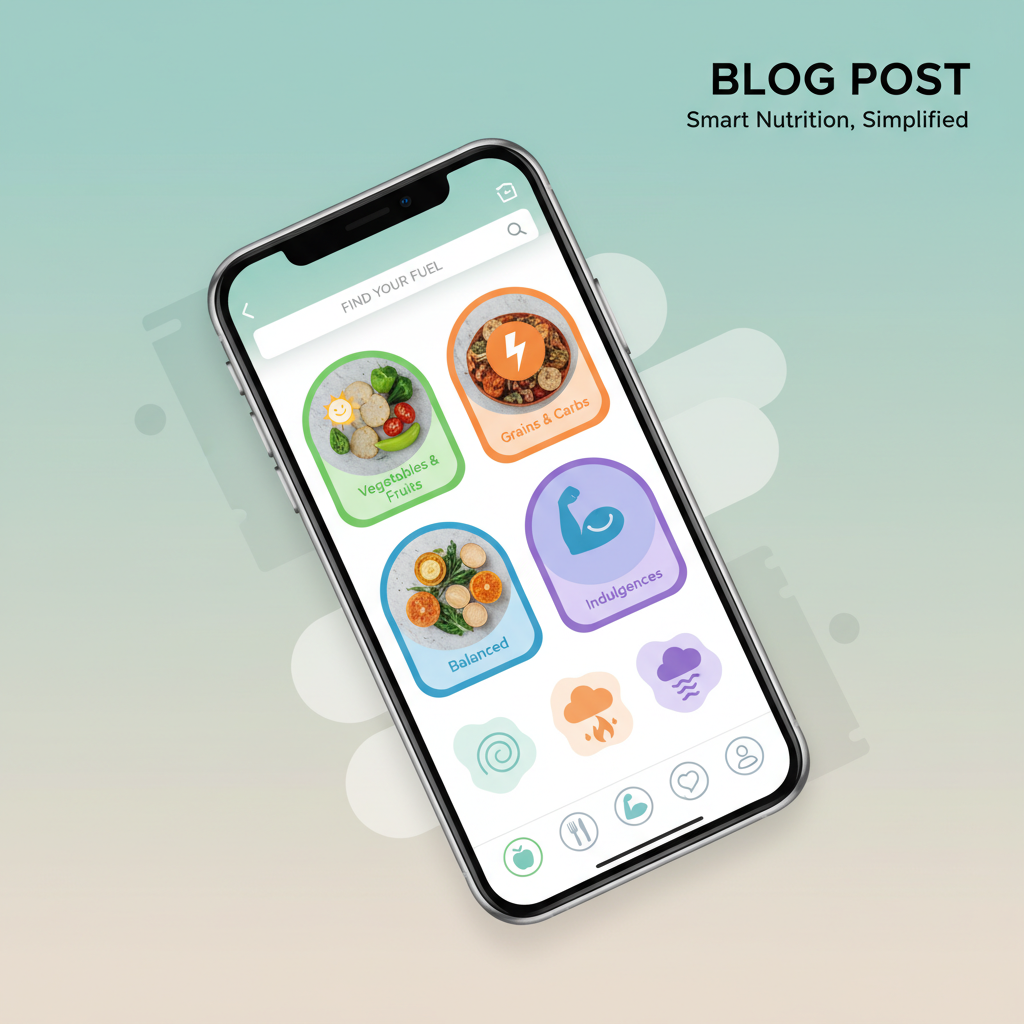
Recovery-Focused Alternatives That Track Nutrition Without Numbers
I've found recovery-focused apps exist on a spectrum from gentle nudging to full number elimination. On one end, apps like Recovery Record let you log meals with photos and mood tracking—no calories in sight. In the middle, some apps show food groups or colors instead of numbers (think "got enough greens today?").
On the far end, apps like Rise focus purely on habits: "Did I eat breakfast? Did I honor my hunger?" What worked for me was starting with the most number-free option, then gradually finding what level of tracking felt supportive rather than triggering.
Common Questions Answered
What if I start obsessing over the numbers in my calorie tracker even when I'm trying to use it safely?
From what I've seen, that's actually a pretty clear sign the tracker isn't working for you right now - I'd honestly just delete it and maybe try again in a few months when you're in a more stable headspace. Some people do better with apps that focus on adding nutrients rather than restricting calories, but if any tracking feels triggering, it's totally okay to skip it entirely.
What if my therapist says no calorie tracking but I still want to lose weight or get healthier?
I'd really listen to your therapist on this one - they know your history better than any app developer ever will. You can absolutely work on health goals through movement you enjoy, eating more vegetables, or focusing on how foods make you feel rather than their numbers, and honestly those approaches tend to be way more sustainable anyway.
My Honest Take
Here's what I'd do: start with apps that focus on nutrition over numbers, and honestly? Have a therapist or dietitian in your corner first. Your mental health is worth way more than any tracking streak. Trust your gut—literally and figuratively.


